
Results for

How pips work and how pip value is calculated
Discover what pips are and how they work. Learn how to calculate pip values across major currency pairs in forex.
In the forex market, currency pairs are quoted with decimal points to represent the precise exchange rate between two currencies, helping traders to accurately assess even the smallest price movements in the market.
What is a pip in forex trading?
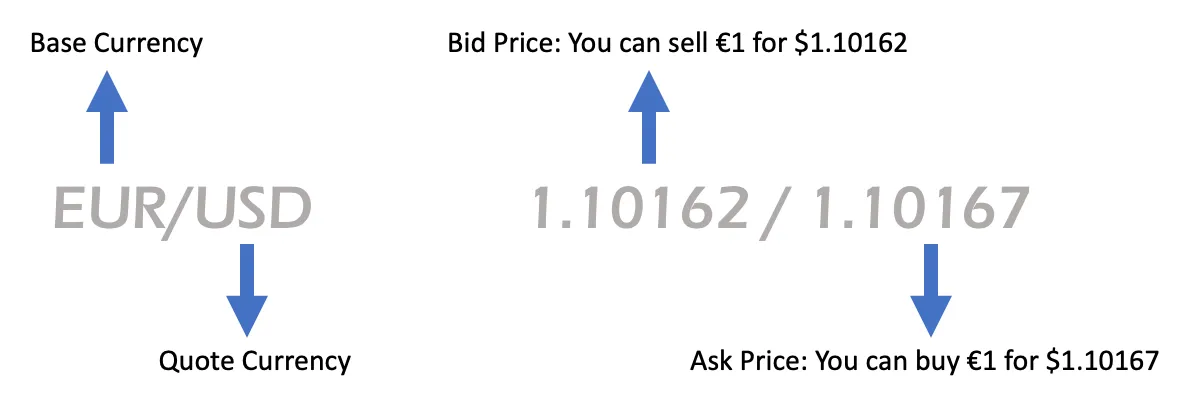
A pip, short for 'percentage in point,' serves as a unit of measurement to convey the change in value between two currencies.
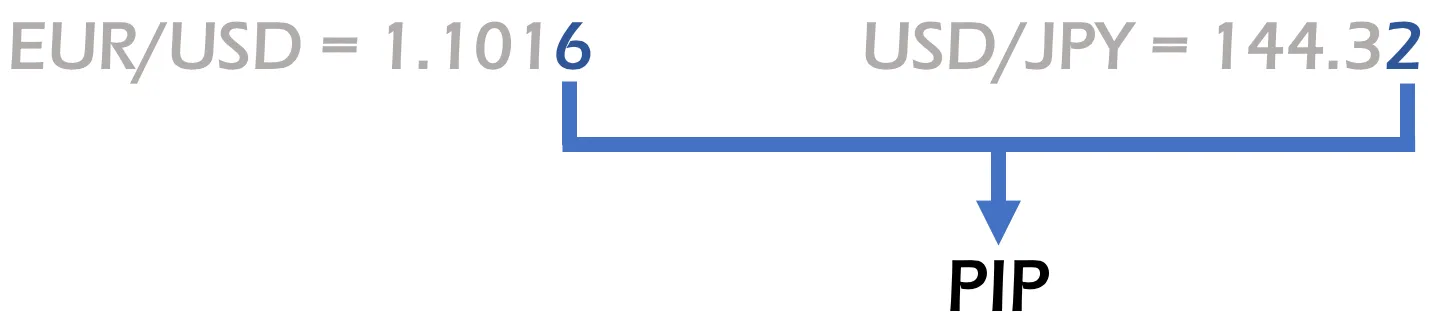
The number of decimal places used in quoting a forex pair reflects the relative value between the two currencies involved. For most currency pairs, pips typically refer to the fourth decimal place (0.0001). For example, if the EUR/USD moves from 1.1015 to 1.1016, then it has increased by 1 pip. However, forex pairs involving the Japanese yen tend to be quoted with two decimal places (0.01) due to the yen historically having a lower value compared to other major currencies. For example, if the USD/JPY moves from 144.30 to 144.32, it has increased by 2 pips.
What is a pipette?
Despite forex pips equalling either 0.0001 or 0.01, brokers usually display quotes with either 5 or 3 decimal places. These additional decimal places are commonly known as ‘points’ or ‘pipettes’. For instance, if EUR/USD increases from 1.10161 to 1.10162, it signifies an increase of 0.00001 USD, and if USD/JPY increases from 144.323 to 144.324, it has an increase of 0.001. These small movements correspond to one pipette or one-tenth of a pip.
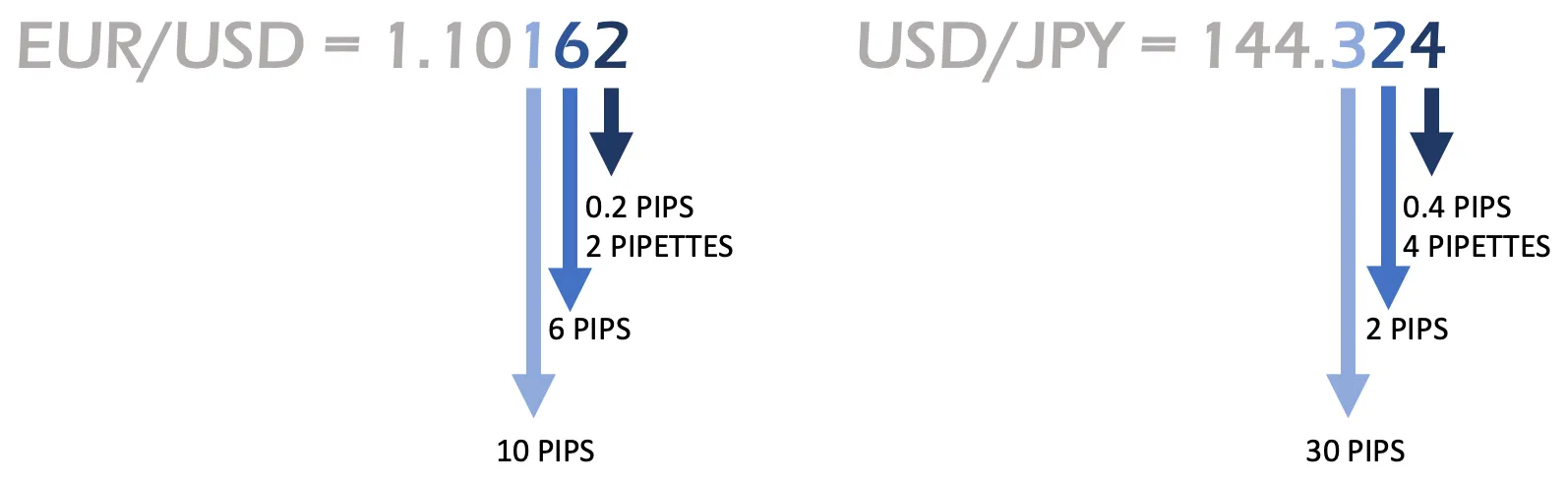
Pipettes are particularly useful when the price movement is minimal and when traders require a higher level of precision in their analysis.
How to calculate pip values
The monetary value of a pip varies depending on the trade size and the currency pair traded. Traders can estimate the pip value on their trades by using Deriv’s pip calculator based on the formulas mentioned below.
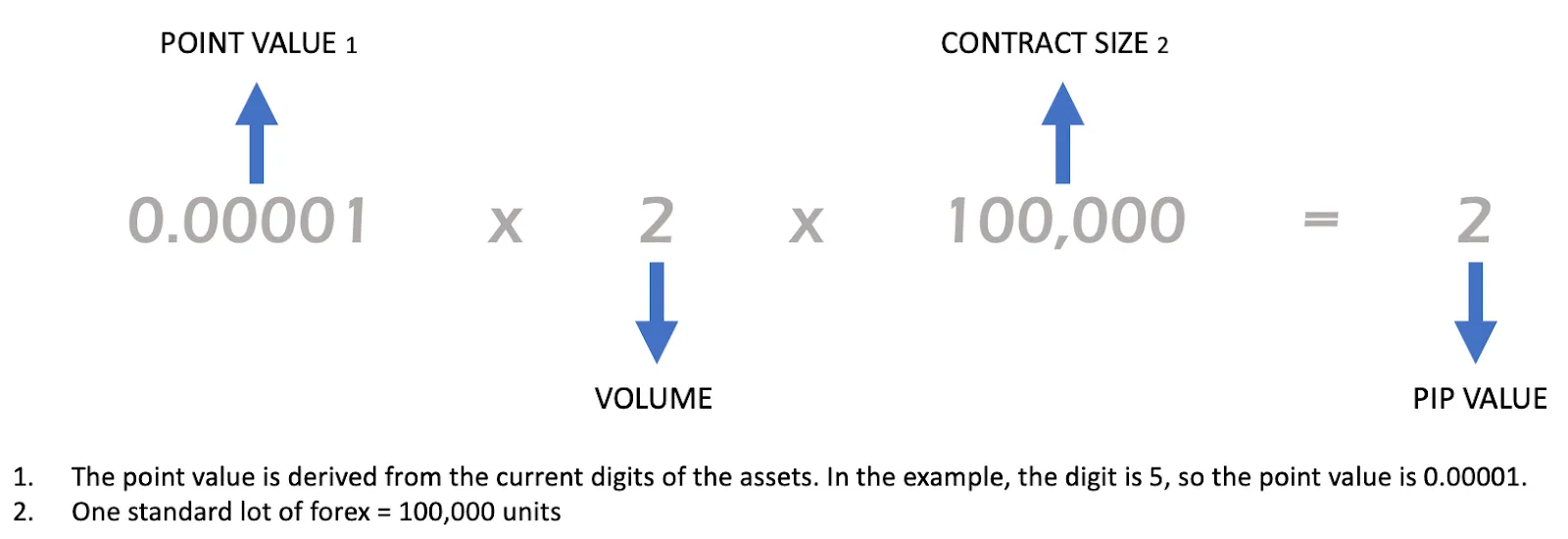
For direct currency pairs (where USD is quoted) like EUR/USD:
Pip value = point value x volume x contract size
For instance, trading 2 lots of EUR/USD has a pip value of 2 USD.
For indirect currency pairs (where USD is the base currency) like USD/JPY:
Pip value = (point value x volume x contract size) / exchange rate
For instance, if USD/JPY has an exchange rate of 144.324, trading 2 lots of USD/JPY has a pip value of 1.39 USD.
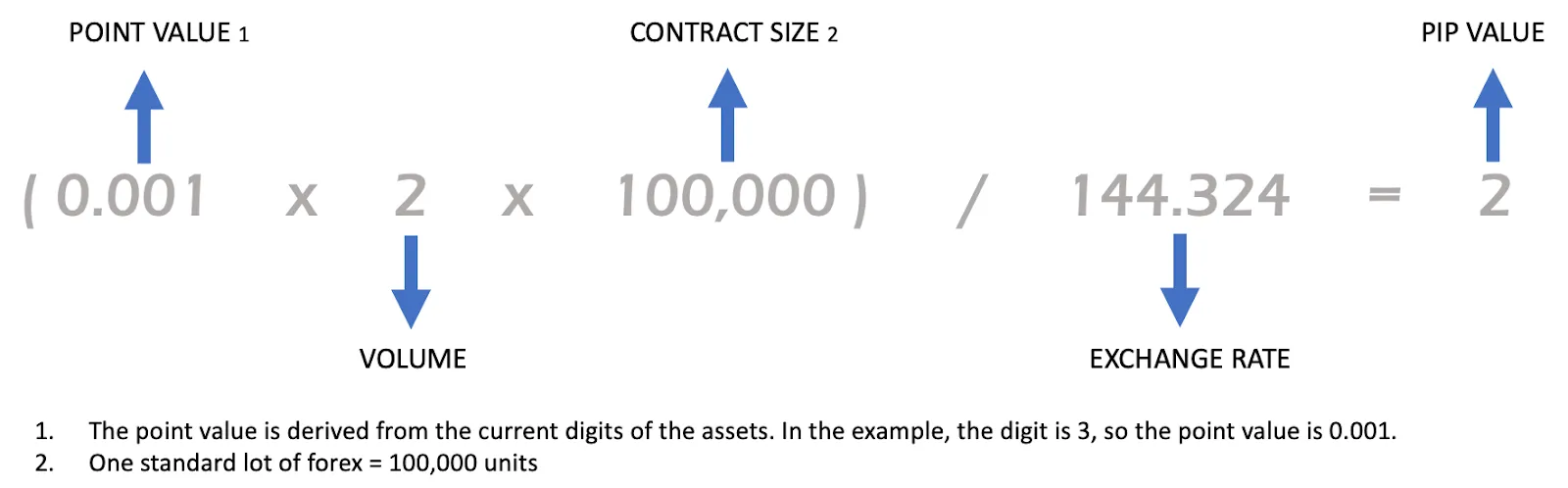
Understanding how pips work enables traders to gain a clearer insight into market movements, risk assessment, position sizing, and the overall impact of price fluctuations on their trading strategies. This knowledge empowers traders to make better informed decisions and manage their trades with greater precision and confidence.
Find out how pips work in a practice trading environment risk-free with a demo account.

Market recap: Week of 18-22 Sep 2023
Stay informed with our weekly market recap from 18th to 22nd September, 2023. Get insights on the latest trends and developments in the financial world.
Oil price increase
The Guardian: Demand for flights in the US, Europe, and China is on the rise, and it's fueling an increase in jet fuel prices. According to the Energy Information Administration (EIA), prices hit an average of $3.07/gallon by the end of August, marking a 50% increase from the $2.05 low in early May.
Traders and speculators are showing strong optimism, with net-long exposure on the rise. Large speculators are at their most bullish on WTI crude oil futures in 62 weeks, and managed funds are at their most bullish in 64 weeks.
Debt defaults
According to economists surveyed by Bloomberg News, the Federal Open Market Committee is expected to maintain rates within the 5.25% to 5.5% range at its September 19-20 meeting, with the first-rate cut anticipated in May, a two-month delay from July's economist consensus.
Meanwhile, Bloomberg reports Bank of America Corp. credit strategist Oleg Melentyev warns of a potential surge in defaults among US high-yield issuers. Melentyev suggests this wave could raise cumulative high-yield defaults to 15%, a significant increase from current levels, as the past 12 months have seen approximately 2.5% of US high-yield debt defaults, as reported by Fitch Ratings.
Interest rate hikes
As reported by Reuters: Citi predicts that the Bank of England is likely to conclude its series of interest rate hikes with the upcoming increase on 21st Sept. However, they also suggest that a temporary pause in rate hikes should not be entirely ruled out. They project no change in November and a rate cut in May 2024.
Stubborn inflation
The Guardian: Bank of International Settlements warns of stubborn inflation & possible economic slowdown. Stock markets may underestimate risks. Chief Economist Claudio Borio notes tightening credit conditions, posing risks for businesses.
Government shutdown
The Guardian: The U.S. House Republicans cancel vote on short-term funding measure amid infighting. The House did not vote on a measure to keep the government open past September 30, sparking concerns of a potential government shutdown in 12 days.
A prolonged shutdown could impact GDP growth, with estimates from Goldman Sachs suggesting a 0.2% reduction each week, followed by a similar rebound in the quarter after it ends.
Monetary policy
The Washington Post: The Monetary Policy Committee sent mixed messages, Bailey and Pill hinting at rate peaks, Mann advocating further tightening, and Dhingra deeming current policy restrictive.
With August's expected uptick in inflation to 7.2%, July's GDP dip raised concerns, although Bailey and Deputy Governor Breeden emphasize avoiding a recession.
UK Inflation
CNBC: U.K. inflation surprised with a dip to 6.7% in August, below expectations, potentially signalling a pause in interest rate hikes from the Bank of England today. The Office for National Statistics noted, 'The largest downward contributions to the monthly change in both CPIH and CPI annual rates came from food.' Goldman Sachs expects the Bank of England to keep its main bank rate unchanged at 5.25% on 21 Sept and has lowered its forecast for the terminal rate to 5.25% from 5.5% previously.
Federal Reserve
The Wall Street Journal: The Fed maintained the target range for the federal funds rate at 5.25 to 5.5%. The Fed also announced its intention to continue reducing its holdings of Treasury securities and agency debt, as well as agency mortgage-backed securities.
Powell suggested that economic activity had been expanding at a solid pace. In the year so far, growth in real GDP has exceeded expectations. The labour market remained tight but was coming into balance. DoubleLine Capital's Gundlach noted that the chance of more rate hikes was higher due to a 'problematic' oil spike.
Yen intervention
Reuters: Japanese Prime Minister Fumio Kishida emphasizes the need to address the excessive yen movement driven by speculation, vowing to maintain a vigilant stance and intervene as needed to bolster the currency. U.S. Treasury Secretary Yellen acknowledges the rationale behind Yen intervention in the face of volatility. Experts like Atsushi Takeuchi note the significance of thresholds like 150, which hold political significance and serve as clear benchmarks in currency policy.
Inflation decline
The Associated Press: Bank of England has opted to maintain its main interest rate at 5.25%, a level not seen in 15 years. This decision brings relief to numerous homeowners who have been contending with rising mortgage rates over the past two years.
The bank's choice was notably influenced by recent news of an unexpected inflation decline to 6.7% in August, marking its lowest point since the Ukraine crisis in February 2022. Bank Governor Andrew Bailey stated, 'We'll closely monitor the situation to assess whether further rate adjustments are necessary. We prioritize sustaining higher interest rates for an extended duration to accomplish our objectives.’

Charting the yen's path: A tale of shifting fortunes
We examine the changing luck of the Japanese currency and explore the dynamic journey of the yen's trajectory with our insightful analysis.
The yen (¥), Japan's official currency, has long held a position of prominence in the global financial markets. From its inception in the late 19th century to its role today as a major international currency, the yen has been both a symbol of Japan's economic prowess and a reflection of its challenges. One phenomenon that has dramatically impacted the yen's trajectory is deflation — a persistent decrease in the general price level of goods and services — a conundrum Japan has been grappling with for decades. This article delves into the multifaceted story of the sliding yen and its wide-ranging implications.
What causes the Japanese currency yen (¥) to weaken in value?
Deflation is the primary reason for the yen's weakening against other currencies. Japan's experience is distinct from the more common occurrence of inflation, where prices generally rise over time. The various factors fuelling deflation in Japan while hindering the country's ability to maintain a healthy inflation rate are explained below.
- Demographics: Japan's ageing population and declining birth rate result in a smaller workforce and reduced consumer demand, leading to lower income growth, decreased spending, and reduced demand for goods and services, all of which push prices down.
- High savings rate: Japan's tradition of saving a significant amount of money has its advantages, but also reduces spending on goods and services, contributing to deflation.
- Technological advancements: While technology enhances productivity, it can lead to oversupply in the market as production becomes more efficient, causing prices to drop.
- Psychological factors in deflation: When consumers and businesses anticipate continuous price declines, they may delay spending and investments, thinking they can get better deals later. This further reduces demand and keeps pushing prices down, creating a cycle of deflation.
- Global competition: Japan's role as a major exporter requires companies to keep prices low to stay competitive, adding to deflationary pressures.
The Bank of Japan's efforts to combat deflation through monetary policy, such as low interest rates and quantitative easing, have achieved some effects. Still, these measures have not always been sufficient to entirely eliminate deflation.
The upsides of a sliding yen
Despite its complexities, a sliding yen — a situation where the value of the Japanese currency decreases relative to other major currencies — can bring several benefits to Japan's economy and the global markets:
- Export competitiveness: A weaker yen not only makes Japanese exports more affordable in the international market — driving up demand for the country's products and bolstering export-oriented industries — but it also helps improve Japan's trade balance.
- Tourism and services: A devalued yen attracts tourists, as their money has increased purchasing power within the country. This benefits Japan's tourism sector and related industries.
- Inflationary pressure: A weakening yen can counter Japan's long-standing issue with deflation through the cost of imports. When imported goods are more expensive due to the yen's depreciating value, domestically produced goods and services may experience higher demand. Hence, domestic producers might increase their prices in tandem with the price of imported goods.
- Corporate earnings: Companies with significant foreign earnings would likely benefit from a sliding yen. Their foreign revenue converts into more yen, leading to improved corporate earnings.
- Stock valuations and stock prices: A weaker yen, coupled with increased export sales, favourable exchange rates, and Japan's stellar reputation for good corporate governance, has made Japan an attractive region for investment in Asia. Additionally, Japan's relatively low-interest rates, compared to the rest of the world, encourage investors to seek higher returns in equity markets rather than lower-risk fixed-income assets.
Consequently, all these factors contribute to higher stock valuations and prices in Japan. In June 2023, Bloomberg reported that the Nikkei 225 (also known as the Japan 225) had risen for the 10th consecutive week, marking the longest streak in a decade.
Navigating the complexities
However, a sliding yen comes with its share of challenges.
Over the past two years, as global inflationary pressures have significantly increased, exacerbated by the Ukraine crisis, Japan has embarked on a substantial budget stimulus programme to defend its yen and address economic uncertainties.
This was necessary because Japan heavily relies on imports, as its companies have moved production overseas in the last few decades due to shrinking economic growth and an ageing population. Balancing imported inflation and local deflation and avoiding interest rate hikes were crucial to support the yen and ensure ongoing economic growth.
Apart from verbal interventions, where authorities escalated their warnings and promised "decisive action" against speculative moves, the Bank of Japan has intervened directly in the foreign currency market by buying large amounts of yen, usually selling dollars for the Japanese currency. This ongoing massive stimulus programme defended the yen in September last year when the Bank of Japan sought to stem a 20% decline against the dollar this year amid a widening policy divergence with the US. According to Bloomberg, this happened for the first time since 1998.
Yen-buying intervention poses more significant challenges than yen-selling intervention. Japan's substantial foreign reserves, amounting to approximately 1.3 trillion USD, could be significantly depleted through sustained large-scale yen purchases. This implies that there are limits to how long Japan can keep defending the yen, in contrast to the yen-selling intervention, where Japan can effectively increase the yen supply by printing or issuing bills.
Another option would be the Bank of Japan raising interest rates to defend the yen's valuation. In a recent September 2023 interview, Bloomberg reported that a member of the Bank of Japan's policy board, Hajime Takata, mentioned that this is very unlikely as Japan needs to keep interest rates ultra-low for healthy economic growth.
In conclusion, a weaker yen can be viewed as an opportunity as global inflation normalises. However, financial markets, stock prices, and currency exchanges are influenced by a myriad of economic factors and are subject to the policies of governments and central banks. The effects of a sliding yen would continue as a dynamic tale with no shortage of twists and turns.

The stellar rise of the Nikkei Index
The Nikkei Index has experienced a remarkable surge, reflecting the strength of the Japanese economy. Discover what drives its stellar rise.
Something remarkable has been happening in Japan — their local stocks are riding a powerful wave that's propelling the Nikkei 225 index (also known as Japan 225) to heights reminiscent of its golden era in the late 1980s.
The BlackRock Investment Institute, a research arm of the global financial giant, has recently adjusted its outlook on Japanese equities from negative to neutral. This move is seen as a pivotal moment in the Nikkei's resurgence, possibly attracting more well-capitalised investors to join the upward momentum.
Nomura Securities, Japan's largest brokerage firm, foresees a ripple effect. They estimate that around 10 trillion yen (equivalent to 70 billion USD) could pour into the Japanese market as foreign long-only investors rebalance their portfolios to reach neutral allocations.
A significant driving force behind this influx of foreign investment into Japan can be traced back to billionaire investor Warren Buffett, who first made headlines for his investments in Japanese stocks as early as 2020. Subsequent inflows were largely driven by fast-moving algorithmic traders and hedge funds utilising borrowed funds. Then, a notable shift occurred, with a substantial amount of enduring investment making its way into Japan.
Archie Ciganer, a portfolio manager at T. Rowe Price, highlighted how their firm has been fielding inquiries about Japan investments from clients and regions that hadn't shown previous interest. This shift has been attributed to a growing number of asset owners opting to steer clear of China’s slower-than-expected recovery, effectively propelling Japan to the forefront in Asia.
The Nikkei even achieved a remarkable 33-year high of 33,772.89 on June 19, 2023. Although there was a brief pullback toward the end of the month due to short-term investors cashing in profits, there was a minor reversal in late June with a net sale of 543.8 billion yen. Many experts argue that these declines are a healthy retracement before the market's next upward surge.
A few fundamental factors are fuelling Nikkei's remarkable resurgence.
Robust economic growth
Japan's economy has defied recessionary expectations, displaying robust GDP figures in the first half of 2023, particularly in the second quarter when it grew at an annualised rate of 6%. This isn't just Japan's best GDP performance since the mid-1990s; it's also one of the top growth rates among all major world economies.
Trade account surplus
In July 2023, Japan's current account surplus increased more than threefold compared to the previous year, reaching 2.77 trillion yen (19 billion USD). This marks the sixth consecutive month of positive current account balances in 2023. These positive trends suggest a strong trade balance, a revival in inbound tourism, and healthy investment income, which may also be influenced by the lower value of the yen.
Deflation to inflation
A moderate level of inflation is beneficial and indicates a growing economy. Japan is making progress in moving away from its long struggle with deflation, and there are encouraging signs of economic growth, such as meeting the 2% inflation target. One example is that consumer prices in Japan, excluding fresh food, have remained positive this year. This is a positive sign for stock market valuations, making them more attractive.

Corporate reforms and shareholder engagement
Investor optimism in Japanese stocks is partly due to the specific requirements set by the Tokyo Stock Exchange. They recently established new market restructuring rules, which challenge companies with low price-to-book ratios to improve their profitability and boost their share prices.
In response to these rules, many businesses have initiated reforms, leading to significant share buybacks and increased engagement with shareholders. Activist shareholders are also putting pressure on Japanese companies to improve their operations and uncover hidden value. Efforts to address issues like low return on equity (ROE) and operating margins are in full swing. As companies implement restructuring and cost-cutting strategies, it makes the long-term investment case for Japanese stocks more attractive.
Supportive monetary policy
In the last 2 years, global inflation has been exacerbated by the Ukraine crisis. Meanwhile, Japan is finally able to counter its long-standing battle with deflation and is very likely to continue keeping to its 2% inflation target in the near future. The inflow of imported inflation, an improving capital expenditure environment, and a tightening labour market are additional factors contributing to Japan's transition away from a deflationary era, which, in simple terms, means positive signs for economic growth.
A pivotal aspect of Nikkei’s resurgence is the Bank of Japan's (BOJ) tweak in yield curve controls. The BOJ has finally increased the cap on its 10-year yields from 0.5% to 1%. This signals that Japan is gradually becoming more flexible in its monetary policy, potentially enhancing the credibility of Japan's financial markets. Typically, a flatter yield curve signifies caution about a country's growth prospects, while the rise in long-term yields generally indicates that Japan's economy is moving toward further growth.
Impact on stock valuations
In a September 2023 interview, Bloomberg reported that a member of the BOJ's policy board, Hajime Takata, mentioned that it's highly unlikely for Japan to raise interest rates, as ultra-low rates are essential for sustaining healthy economic growth. These low rates encourage investors to seek better returns in the stock market, driving up demand for Japanese stocks.
Additionally, the contrast between Japan's low rates and increasing rates in other parts of the world would likely result in a significant weakening of the yen. A weaker yen, in turn, makes stocks more affordable for investors, further contributing to higher stock prices and increased stock valuations in Japan.

Source: Bloomberg
In summary, taking into consideration all of the factors and opinions mentioned above, Japan’s stellar rise to ascent to the forefront of Asian equities is not a mere coincidence but a result of multiple forces converging in a propitious manner. The shifting sentiments of foreign funds, bolstered by corporate reforms, economic growth, and policy adjustments, have propelled the Nikkei on a trajectory toward its historic peak. The second half of the year promises further excitement, with any market pullback being interpreted as a buying opportunity by astute investors. As the stars align for Japan's equity market, it appears that it's time for Japan to step out of its long-term valuation depression and trade at a premium once again.
Market recap: Week of 11 - 15 Sep 2023
Stay informed with our weekly market recap from 11th to 15th September, 2023. Get insights on the latest trends and developments in the financial world.
Eurozone inflation
FT reports that Eurozone inflation still remains well above the European Central Bank's 2% target at 5.3%, prompting discussions about another rate hike. However, doubts loom as signs of an impending economic downturn, like weaker business confidence and falling German industrial production, emerge. The ECB has already raised its benchmark deposit rate significantly, from -0.5% to 3.75%, tackling a substantial inflation surge.
Bank of England
The Guardian reports that businesses are scaling back hiring and reducing output due to rising borrowing costs, potentially influencing future interest rate decisions by the Bank of England. Bank of England Governor Andrew Bailey's recent comments on the expected inflation decline raise questions about the necessity of further rate hikes.
Economic boom
CNBC reports: JP Morgan CEO Jamie Dimon warns investors against assuming a prolonged economic boom amid multiple risks. He emphasises that the economy's positive performance isn't guaranteed to last for years, given the substantial global uncertainties. Dimon highlights monetary policy and the Ukraine War as significant factors that could deter a potential economic boom.
EU forecast
ANSA states: revised EU forecast predicts Italian GDP to grow by 0.9% in 2023 (down from 1.2%) and 0.8% in 2024 (down from 1.1%). European Commissioner Paolo Gentiloni suggests that tighter monetary policy may have stronger negative effects on economic activity but could also accelerate the recovery of real incomes through faster inflation drop. Reports from the Business Times hedge funds have significantly reduced their net long positions in the euro, down by nearly 90% in a month.
Global oil inventories
OGJ: The US Energy Information Administration (EIA) foresees a reduction in global oil inventories by the year end. The development is expected to exert upward pressure on oil prices. In its September issue, Short-Term Energy Outlook (STEO), EIA predicts a 200,000 b/d decrease in global oil inventories in the fourth quarter of 2023. EIA’s forecast also predicts that the Brent crude oil spot price will average $93/bbl in the fourth quarter of 2023.
Monetary policy committee
The Guardian: Bank of England monetary policy committee meets next week, and the pressure will be intense on its nine members to act again or risk further pay increases, sending inflation higher next year. Governor Andrew Bailey has signalled the end of the hiking cycle, hoping that pay would tick down to show that the current measures are effective and that additional actions are unnecessary for the situation. Yael Selfin, Chief Economist at KPMG, notes a weakening labour market amidst the slowing economy due to interest rate rises. While most economists expect a quarter-point increase next week, she argues there may be little to support further hikes.
Inflation and market sentiment
CNBC: Government shutdown looms: congress must reach funding agreement by September 30 to avoid disruption. In other news, August saw the US Consumer Price Index rise by 0.6%, marking the highest monthly gain in 2023, with a year-on-year inflation increase of 3.7%. Rising prices, particularly in energy and various goods, fueled this uptick. Meanwhile, market sentiment suggests the Fed may hold off on a rate hike at the upcoming meeting. Beyond that, futures pricing remains uncertain, with a 40% probability of a final increase in November, according to CME Group data.
Gold inflation
Morningstar: Gold prices edged higher on Wednesday, maintaining a steady trading range as investors analyzed the recent U.S. inflation data. August saw U.S. consumer prices rise by 0.6%, the most significant monthly increase in 14 months. When excluding energy and food prices, core inflation saw a more modest 0.3% rise, as indicated by the consumer price index.
Federal Reserve
WSJ: U.S. core inflation, a key indicator for economists and central bankers tracking the underlying inflation trend, saw a 0.3% rise in August compared to July, resulting in a 4.3% increase from its year-ago level. While this remains notably high and slightly firmer than economists anticipated, it represents progress from the Federal Reserve's perspective, according to JPMorgan Chase economists. This marks a decline from the multidecade high of 5.4% recorded in February last year. This reduction in inflation is a key factor in the upcoming policy meeting, where it appears highly likely that interest rates will remain unchanged.
European Central Bank
The Guardian: European Central Bank has raised its deposit rate to 4%, marking the highest level since the euro's inception in 1999. ECB President Christine Lagarde suggested that rates may have reached their peak but emphasised that borrowing costs will stay elevated as needed to achieve the central bank's 2% inflation target.

Currency pairs available on Deriv
Explore and understand the classifications of currency pairs, including major, minor, and exotic pairs, and master the basics of forex trading.
Forex pairs are a combination of two different currencies. When traded, investors are essentially participating in a dual transaction – purchasing one currency while simultaneously selling another.
How to read forex quotes
Currency pairs consist of two parts: the base (first) currency and the quote (second) currency. The exchange rate for a currency pair specifies how much of the quote currency is needed to buy one unit of the base currency.
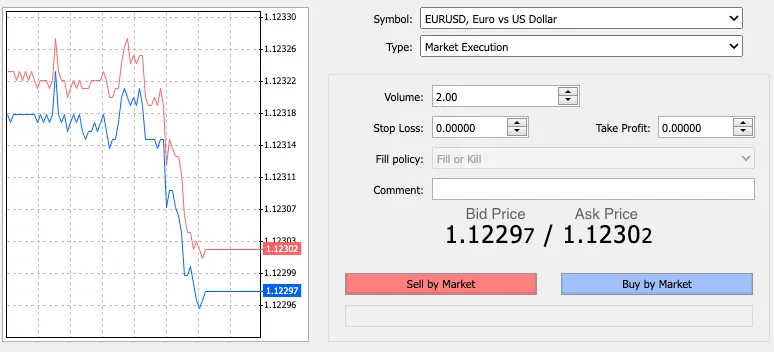
So, if the exchange rate of the EUR/USD pair is 1.12302, this means that you will need the amount of 1.12302 USD to buy 1 EUR.
As shown in the Deriv MT5 platform example below, CFD brokers typically quote currency pairs with two prices: the bid price (for selling) and the ask price (for buying). The difference between these prices is called the spread, which, in essence, represents the transaction cost when entering or exiting a trade.
Classification of currency pairs
Forex pairs are categorised based on their trading volumes and the economic strength of the currencies involved.
Major currency pairs consist of the most frequently traded currencies in the world. Majors tend to have tighter forex spreads and higher liquidity due to their widespread popularity. Below lists the major pairs available for CFD trading at Deriv.

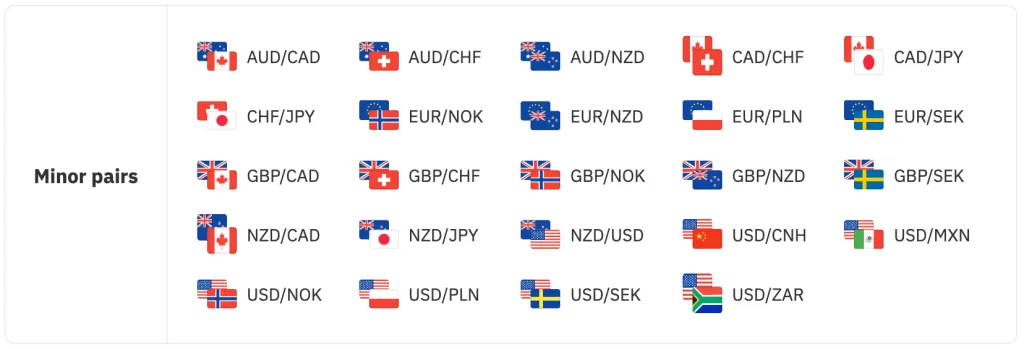
Minor currency pairs, also known as ‘crosses,’ include major currencies in the base or quote currency, often excluding the US dollar. Minors usually have slightly wider spreads and lower liquidity compared to major pairs. Below are the minor pairs available for CFD trading at Deriv.
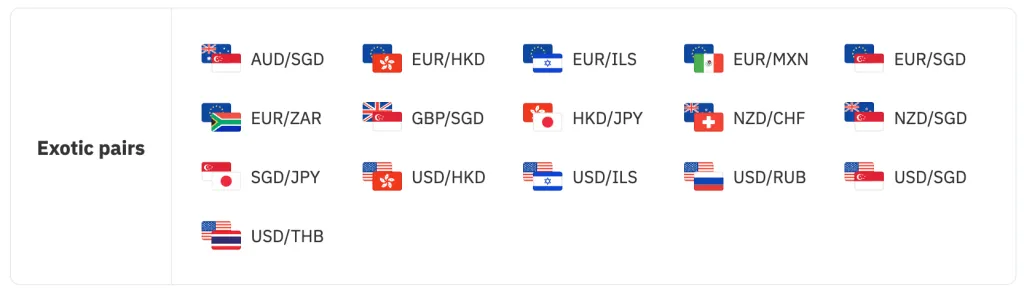
Exotic currency pairs consist of a major currency paired with a currency of an emerging or smaller economy. Exotic pairs are less liquid and often have wider spreads than both majors and minors. Below are the exotic pairs available for CFD trading at Deriv.
Understanding the basics of currency pairs provides a crucial foundation for effective forex trading. By recognising the differences in liquidity and forex spreads between major, minor, and exotic currency pairs, traders can make better informed decisions and increase their chances of successful trades.
Get a practical understanding of the spreads between the different types of currency pairs by trading them risk-free. You can do so with a demo account that’s credited with virtual funds.

Forex risk management trading strategies
Learn how to manage forex risks, use risk management tools, create a trading plan, and evaluate performance with our guide, for all traders.
In the fast-paced world of foreign exchange, risk management is crucial. It offers a structured way to handle uncertainty, protect capital, and improve the chances of successful trades.
Types of risks in forex trading
Market risk in forex trading refers to the volatility of a currency’s value. Price fluctuations in forex are often driven by economic data and geopolitical factors. For example, changes in interest rates can impact a currency's attractiveness, leading to shifts in demand and supply and therefore, price.
Leverage risks arise when traders use margin accounts with limited capital to access larger positions. While this can offer opportunities for higher profits, it also means that unfavourable market movements can lead to significant losses. Traders can calculate their capital requirements based on their chosen leverage with a margin calculator.
Forex liquidity risk refers to the ease of buying or selling a currency pair without affecting prices. Insufficient market participants or low trading volumes can result in potential slippage and unfavourable executions. While most major and minor currency pairs are liquid, some exotic pairs with lower trading volumes may pose this risk.
Insufficient understanding of the forex market and emotional factors such as fear, greed, impatience, and overconfidence can cause traders to disregard risk management principles and make poor decisions, increasing their chances of losses.
Forex risk management tools
How can traders mitigate these risks? Effective risk management involves using a combination of different strategies.
When trading CFDs, a stop loss order limits potential losses by closing a trade at a set price if the market moves unfavourably. Conversely, a take profit order automatically closes a trade when the price reaches a predetermined profit target. These orders enable traders to manage risk without constant monitoring and manual trade closures.
On the Deriv MT5 platform, traders can input these levels both when creating an order and by modifying a position after it has been opened.


Position sizing is the process of determining how much capital to allocate for each trade. This helps ensure potential losses are kept within acceptable limits depending on the trader’s risk appetite.
Good position sizing practices include:
- Determining your risk tolerance
- Using a position sizing calculator
- Considering the volatility of the currency pair
- Using fixed fractional position sizing to risk the same percentage of capital on each trade
- Scaling into positions in increments
- Factoring correlations with other markets
- Monitoring leverage usage
- Periodically reevaluating your strategy’s ideal position sizing
The appropriate position size is not too small to severely limit profits but also not too large to blow up your account on one trade. Finding the right balance takes practice, like any aspect of trading. Over the long run, position sizing may help manage risk and maximise returns.
Diversification is the process of spreading trades across multiple, lowly correlated currency pairs to reduce overall portfolio risk exposure. The key benefit of diversification is that it helps mitigate risk if one pair performs poorly, as losses in one currency may potentially be offset by gains in another. Traders should aim to diversify across major, minor and exotic pairs that are not highly correlated. For example, pairing the major EUR/USD and GBP/USD together provides limited diversification since they are positively correlated. But adding exposure to uncorrelated exotic pairs like USD/TRY or USD/ZAR provides better diversification.
The diversification principle can be taken a step further when constructing an optimal portfolio of positions across asset classes, not just currency pairs. Many traders analyse correlations between currencies, stocks, commodities, and other assets to build a portfolio with the highest return for a given level of risk.
Continuous education is also crucial for reducing trading risks. By regularly updating market knowledge, traders cultivate a mindset of adaptability and continuous improvement. This concept of ongoing development is especially essential when building trading plans.
How to make a forex trading plan
A forex trading plan is a comprehensive roadmap that guides investors on how to trade currency pairs with discipline and focus.
Traders must first set clear goals aligned with their financial objectives, risk tolerance, and available resources. Then, choose a preferred trading style (e.g. scalping or swing trading) and timeframe. Finally, they should define entry and exit points based on indicators, chart patterns, or analysis. Risk management tools should also be incorporated throughout the plan.
Evaluating performance
A successful trading plan requires regular rigorous evaluation and ongoing refinement. Traders must continuously analyse both winning and losing trades in detail to identify patterns, strengths, and specific areas for improvement. This performance evaluation should go beyond just net profit/loss to include key metrics like risk-reward ratio, profit factor, drawdowns, and Sharpe ratio.
These statistics need to be monitored over different time frames — daily, weekly, monthly, quarterly, and annually to assess consistency. Traders should compare performance across different market conditions, asset classes, and time periods to determine optimal strategies for various environments. An honest assessment of mistakes and missed opportunities is crucial to boost future performance.
Traders should set concrete, quantifiable goals for improving risk metrics. Comprehensive trade journals can aid evaluation by recording detailed analyses, market conditions, and lessons learned from each trade. Finally, sharing performance with a mentor or trading community provides an outside perspective.
Traders can also initially test their strategies on a free forex demo account. This replicates the experience of live trading, with 10,000 USD virtual funds allocated to the account.

Using risk management tools and sticking to a well-defined trading plan can increase the likelihood of successful forex trades while minimising the impact of adverse market movements. Ongoing evaluation and refinement is the key to elevating trading skills over time.

When will the Fed hit the brakes on interest rate hikes?
Get up-to-date insights on the US economy and monetary policy and discover when the Federal Reserve will halt interest rate hikes.
The monetary policy decisions made by the Federal Reserve (Fed) play a pivotal role in shaping the global financial markets. Among these decisions, changes in interest rates stand out due to their profound impact on borrowing costs, market volatility, currency values, and market sentiment. As markets and economists seek to predict the Fed's actions, understanding the factors that influence the timing of interest rate hikes becomes essential. This article delves into key indicators and considerations that can assist in estimating when the Fed might conclude its rate-hiking cycle.
Economic data and indicators
Inflation dynamics
One of the primary factors guiding the Fed's policy decisions is inflation. An upward trend in consumer prices often prompts the Central Bank to consider rate hikes to prevent overheating, while a downward trend typically calls for a pause in rate hikes or rate cuts. Monitoring metrics like the Consumer Price Index (CPI) and the Personal Consumption Expenditures (PCE) index provide insights into inflation trends.
US Consumer Price Index (CPI) YoY

The graph above illustrates the year-on-year change for the US CPI. There is a modest uptick from 3.0% in June to 3.2% in July this year. Although these figures are still above the Federal Reserve's 2% target for the CPI, there has been a consistent downward trend of inflation since its peak at 9.1% in July last year.
US PCE Price Index YoY

Meanwhile, the US Personal Consumption Expenditure (PCE) price index, which serves as another inflation gauge and is also the Fed's preferred way of measuring inflation, has decreased from 3.8% in June to 3.0% in July of this year. The PCE price index has exhibited a downward trend since July 2022, similar to the US CPI data.
These two indicators collectively prove that US inflation is on a downward trend. Global financial markets have responded with higher stock market prices and bond prices in the first half of this year. Wall Street has taken comfort in the notion that the recent series of Fed interest rate hikes has effectively cooled inflation, with some analysts prospecting that the latest hike in July 2022 will be the final one.
Labour market conditions
A robust job market can lead to increased wage growth and consumer spending, potentially driving inflation rates. Key indicators include unemployment, labour force participation, and job creation numbers. A strong labour market could signal a need for further rate hikes to maintain economic balance.
Recent data from the US government has highlighted robust hiring in July. The unemployment rate has been ranging between 3.4% and 3.7% since March 2022. This trend represents one of the lowest historical unemployment rates in the US over the past several decades.
US Unemployment Rate (In The Last 2 Years)

US Unemployment Rate (In The Last 50 Years)

Typically, during periods of successive aggressive rate hikes, unemployment figures tend to increase as the economy slows down. However, the US labour market has shown remarkable resilience and lower unemployment figures following a series of rate hikes. As mentioned, this suggests a potential upside for more inflation. Therefore, it is possible that the Fed would not be stepping on the brakes on rate hikes anytime soon.
Growth and GDP
The Federal Reserve's decisions are influenced by the overall economic growth rate, which is gauged by the Gross Domestic Product (GDP). A favourable GDP figure reflects a blend of encouraging consumer spending, business investments, government expenditures, and net exports. Rapid growth could lead to inflation concerns, prompting further rate hikes to moderate economic expansion.
US Gross Domestic Product (GDP) QoQ

In the second quarter of 2023, the annualised growth of the US GDP rose to 2.4%, compared to 2% in the first quarter. Consumer spending is still growing at an annual rate of 1.6%, but not as quickly as earlier this year.
This means that despite higher interest rates, stronger business investments power the US economy while consumers remain resilient in their spending. This gives a potential upside to higher inflation and another possibility that the Fed would not be pausing on rate hikes anytime soon.
Consumer confidence
Increased consumer confidence can result in higher consumer spending, potentially fueling inflation rates. Crucial markers to consider encompass US Michigan Consumer Sentiment and US retail sales figures. A strong upside in consumer confidence might indicate the need for more Fed rate hikes to balance the economy.
US Michigan Consumer Sentiment

US Retail Sales YOY

Both the consumer sentiment and retail sales data depicted above have displayed a recovery trend, especially in the past two months of June and July 2023. This could bring higher inflation in the near future, which may indicate that the Fed is not done with rate hikes.
Global economic environment
The world economy today is highly interconnected, making it necessary for the Federal Reserve to consider international economic conditions. Higher interest rates in the US can reduce financial flows to emerging markets. This can further extend to trade tensions, geopolitical events, currency fluctuations, and overall lower global economic growth.
According to the International Monetary Fund (IMF), global growth is expected to decline from around 3.5 percent in 2022 to about 3.0 percent in both 2023 and 2024. As interest rates rise to combat inflation, this will continue to impact global economic activity.
Financial market signals
Financial institutions and traders usually react to the release of economic data and the Federal Reserve's decisions using both short-term and long-term strategies. Although their market expectations and responses don't directly impact the Fed's rate decisions, they can provide indications of when the Fed might consider pausing its rate hikes or implementing rate cuts. Monitoring the bond market, yield curves, and market-based inflation expectations can yield valuable insights into potential adjustments for future monetary policies.
For most of this year, the financial markets have been rather optimistic about the conclusion of rate hikes. For example, Wall Street's Goldman Sachs has already started pencilling in the timeline of rate cuts, beginning from June 2024. Concurrently, Bloomberg has indicated that traders anticipate the conclusion of Fed rate hikes and project cuts to commence in 2024, with futures contracts factoring in the first rate cut as early as March 2024.
Forward guidance and communication
The Fed's communication is a crucial tool in shaping market expectations and guiding economic decisions. Statements from Federal Reserve officials, including the Chair's press conferences, speeches, and minutes from Federal Open Market Committee (FOMC) meetings, provide insights into the central bank's thinking and potential policy actions.
The minutes of the most recent FOMC meeting on 25-26 July 2023 indicated that officials remain concerned about inflation and stated that further rate hikes might be necessary in the future unless conditions change.
Watching out for interest rate hikes
Predicting the exact timing of when the Federal Reserve will conclude its rate-hiking cycle is not straightforward due to the myriad of factors at play. Economic data, inflation trends, labour market conditions, global economic dynamics, financial market signals, and the Fed's meeting minutes all contribute to shaping the central bank's decisions.
However, most of the information gathered as of August 2023 does not seem to advocate a pause in Fed rate hikes yet. There will likely be another rate hike, but circumstances can change. All market participants and economists must stay attuned to these indicators and closely follow the central bank's guidance to make informed assessments about the future path of Fed interest rates.
Source:
Goldman Pencils In First Fed Rate Cut for Second Quarter of 2024
US Core CPI Posts Smallest Back-to-Back Increases in Two Years

Forex trading: How the most liquid market works
Gain a comprehensive understanding of forex liquidity and its identification. Enhance your forex market analysis with confidence.
Forex trading, boasting over 6 trillion USD in daily trades in 2023, is the largest market in the world. It is renowned for its liquidity, enabling seamless transactions 24 hours a day, 5 days a week.
What is liquidity in forex?
Beginning with the basics, forex liquidity refers to how easily a currency pair can be bought or sold. In a liquid market, traders don’t need to worry about the absence of a counterparty to trade with, as it always has sufficient buyers and sellers.
How to identify liquidity in forex pairs?
One way traders can gauge the liquidity of the forex market is by analysing the bid-ask spread. This refers to the difference between the highest price a buyer is willing to pay (bid) and the lowest price a seller is willing to accept (ask) for a particular forex pair. A narrow spread typically indicates that there are enough buyers and sellers willing to trade at those prices. It's important to note that spreads usually vary between brokers due to differences in their pricing models and markups.
In the Deriv MT5 platform example below, we can see that major currency pairs like EUR/USD have tight spreads (0.00005) due to their high liquidity, while minor currency pairs such as CAD/JPY have marginally wider spreads (0.019) due to their slightly lower liquidity. Keep in mind that forex spreads generally remain tighter and more stable than other asset classes.


Another way to identify liquidity in forex is to look at trading volumes. When they are high, it generally indicates a greater availability of buyers and sellers in the market, which leads to increased liquidity. Over a 24-hour period, volumes tend to start to increase in the Tokyo session, continuing to trend up in the London session, before peaking in the New York session.
Volumes can be shown on Deriv MT5 charts under Insert > Indicators > Volumes > Volumes as seen below.


Analysing the forex market
Traders interested in forex should keep an eye on both economic data and geopolitical events.
Notably, the release of a country's inflation data is eagerly awaited. Higher-than-expected inflation figures may lead to raised interest rates from Central Banks, attracting traders seeking greater interest income and therefore increasing the demand and value for the currency. Conversely, in the Deriv MT5 platform example below, we can see that lower-than-expected US inflation data implied lower interest rates to the market, making the USD less appealing to investors.

Geopolitical events can also impact price movements in the forex market. Political conflicts and trade disputes between countries may prompt risk aversion in the forex market, causing investors to move their funds to safer assets. Elections can also lead to market volatility, impacting the value of currencies.
Forex trading for you
As the world economy embraces globalisation, events become more interconnected. By closely monitoring these factors and combining them with other trading techniques, traders may increase their chances for more successful trades.
Check out how this highly liquid market works with a free demo account that comes pre-loaded with virtual funds.
Sorry, we couldn’t find any results matching .
Search tips:
- Check your spelling and try again
- Try another keyword