
US stocks bull run is built on jobs, not hype
%20(1).png)
Global markets are pushing higher, and this rally is not built on sentiment alone. From record equity highs to surging commodities and a weaker US dollar, the underlying driver remains confidence in US economic fundamentals, with employment data at the centre of market expectations.
As investors position ahead of the next US jobs report, recent market moves suggest optimism that growth can remain resilient even as financial conditions continue to evolve.
What’s driving the Fed’s hawkish cut narrative?
According to analysts, markets are increasingly pricing a scenario where the US Federal Reserve can ease policy without destabilising the economy. Strong macro data, particularly labour market resilience, has given policymakers room to balance growth support with inflation control.
Rather than expecting aggressive rate cuts, investors are leaning toward a controlled easing path. This view has helped contain interest rate volatility, even as risk assets continue to rally.
Why it matters
Reports showed that US employment data is the foundation of this bull run. A strong jobs market supports:
- Consumer spending, the backbone of US growth
- Corporate earnings, sustaining equity valuations
- Business confidence and investment
- Risk appetite across global markets
As long as hiring remains resilient, markets have justification to push higher even while inflation pressures persist in parts of the economy.
Impact on markets, businesses, and consumers
Stocks: confidence at record highs
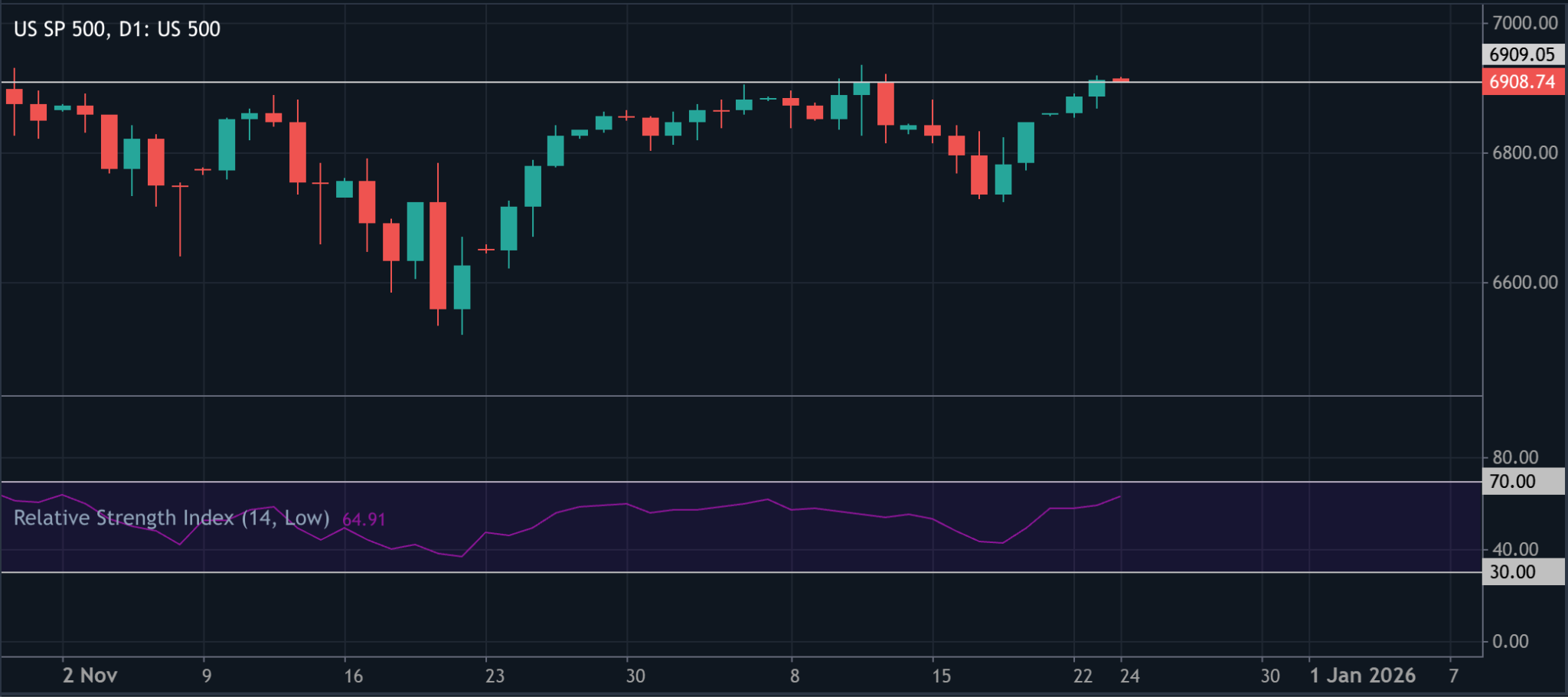
The S&P 500 closed at a fresh record, led by growth stocks, which reflects optimism that earnings can remain durable in a stable growth environment. Investors are rewarding companies positioned to benefit from both economic resilience and technological investment.
Corporates & M&A: dealmakers stay busy
A bidding war involving Warner Bros highlights how hot the M&A market has become. Dealmakers don’t work through holidays - or pursue large acquisitions - unless balance sheets are healthy and future growth looks promising.
This wave of activity reinforces the notion that corporate America remains confident about the economic outlook.
Technology: AI demand remains intact
According to reports, Nvidia’s plan to begin H200 chip shipments to China by mid-February underlines continued demand for AI infrastructure. Despite regulatory uncertainty, capital spending linked to artificial intelligence remains a powerful growth driver - and markets are treating it as such.
Currencies: the dollar loses momentum
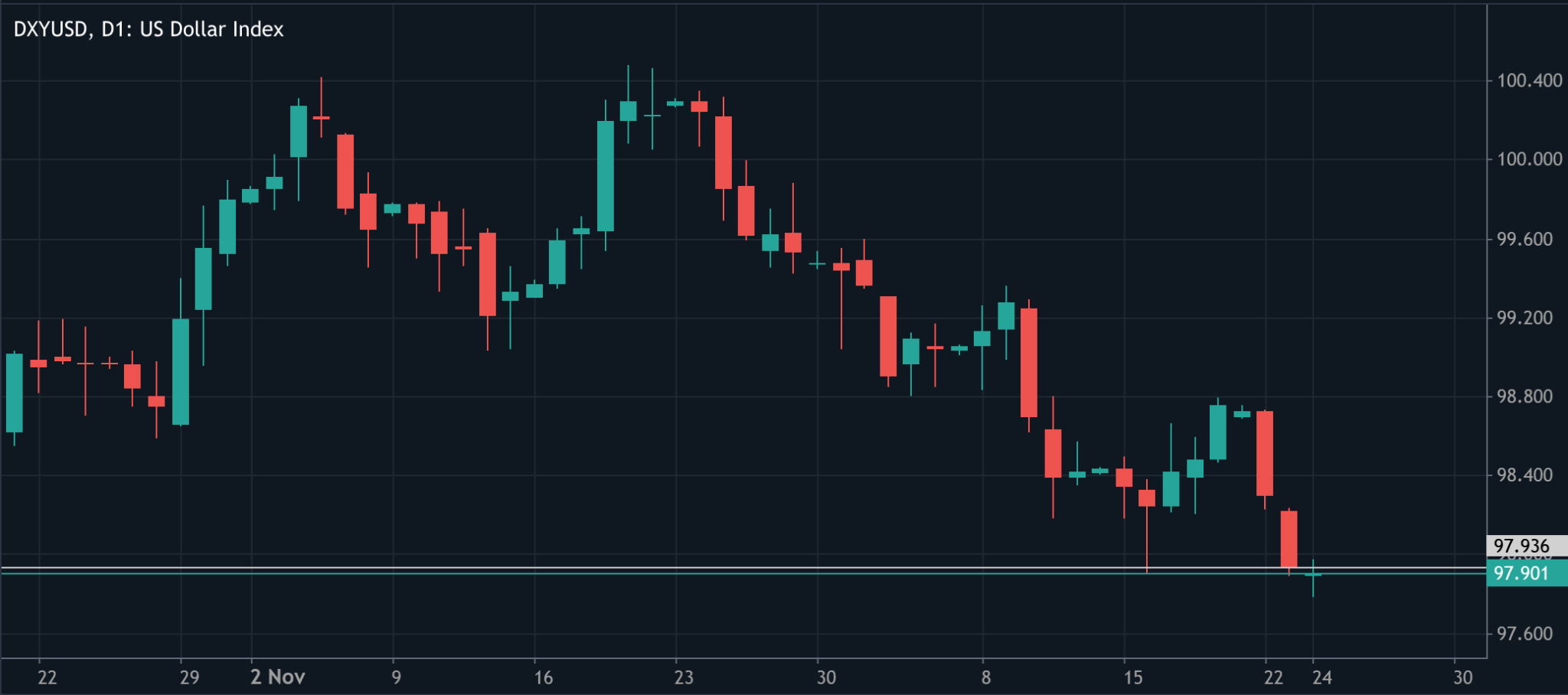
Data revealed the US dollar’s worst drop since 2017 reflects markets looking beyond peak rates and rotating toward risk assets, commodities, and non-USD exposure. As expectations shift from restrictive policy to gradual easing, the dollar has lost its yield advantage - reinforcing risk-on behaviour elsewhere.
Commodities are sending a parallel signal
Commodities aren’t just rising - they’re breaking records based on data.
- Gold above $4,500/oz for the first time
- Platinum above $2,300 on tight global supplies
Market watchers noted these moves suggest that investors are positioning for a world where growth remains robust, but inflation and supply chain risks haven’t disappeared. Metals are benefiting from a weaker dollar, as well as strategic hedging and strong underlying demand.
Expert outlook: All eyes on jobs
Markets are clearly positioned for continued economic resilience, but confirmation will come from upcoming US employment data.
Analysts highlighted that a strong jobs report would reinforce confidence in the current rally. A downside surprise, however, could force markets to reassess growth expectations and risk positioning.
Key takeaway
Experts expressed that this bull run is not driven by speculation.
It is being supported by US economic fundamentals, with employment data acting as the key anchor. The next jobs report will play a crucial role in determining whether markets can sustain momentum into the new year.
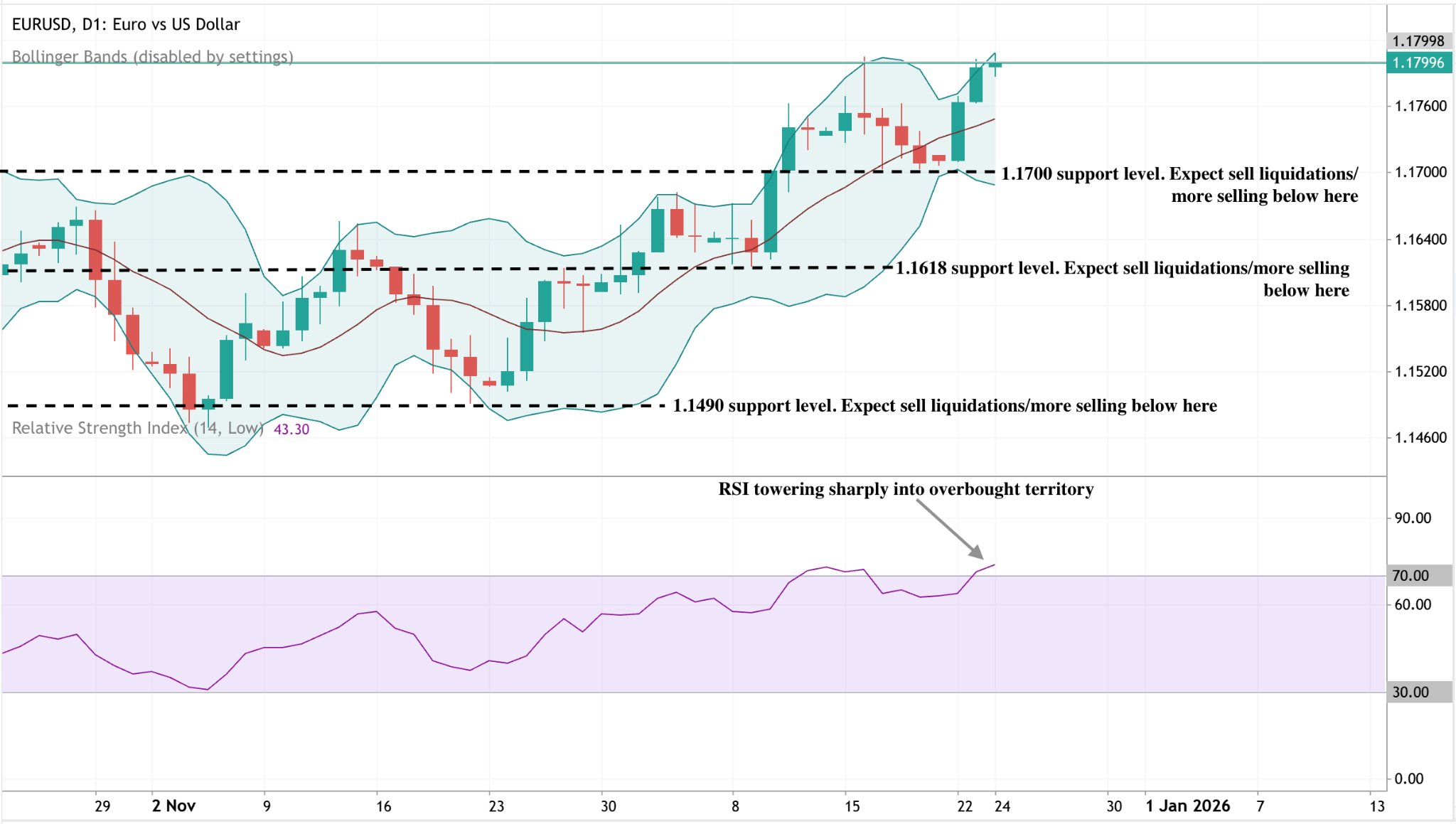
Let's analyse the EURUSD chart, which is among the most popular dollar pairs to trade.
EUR/USD technical insights
EUR/USD remains constructive, with price trading near the upper Bollinger Band, signalling strong upside momentum but increasingly stretched conditions. The widening bands indicate rising volatility, although price action suggests that bulls are still in control for now.
On the downside, 1.1700 is the first key support, followed by 1.1618 and 1.1490. A sustained move back inside the Bollinger mid-band would increase the risk of a deeper pullback. Momentum is elevated, with the RSI pushing sharply into overbought territory, warning that upside gains may slow without consolidation.
The performance figures quoted are not a guarantee of future performance.


