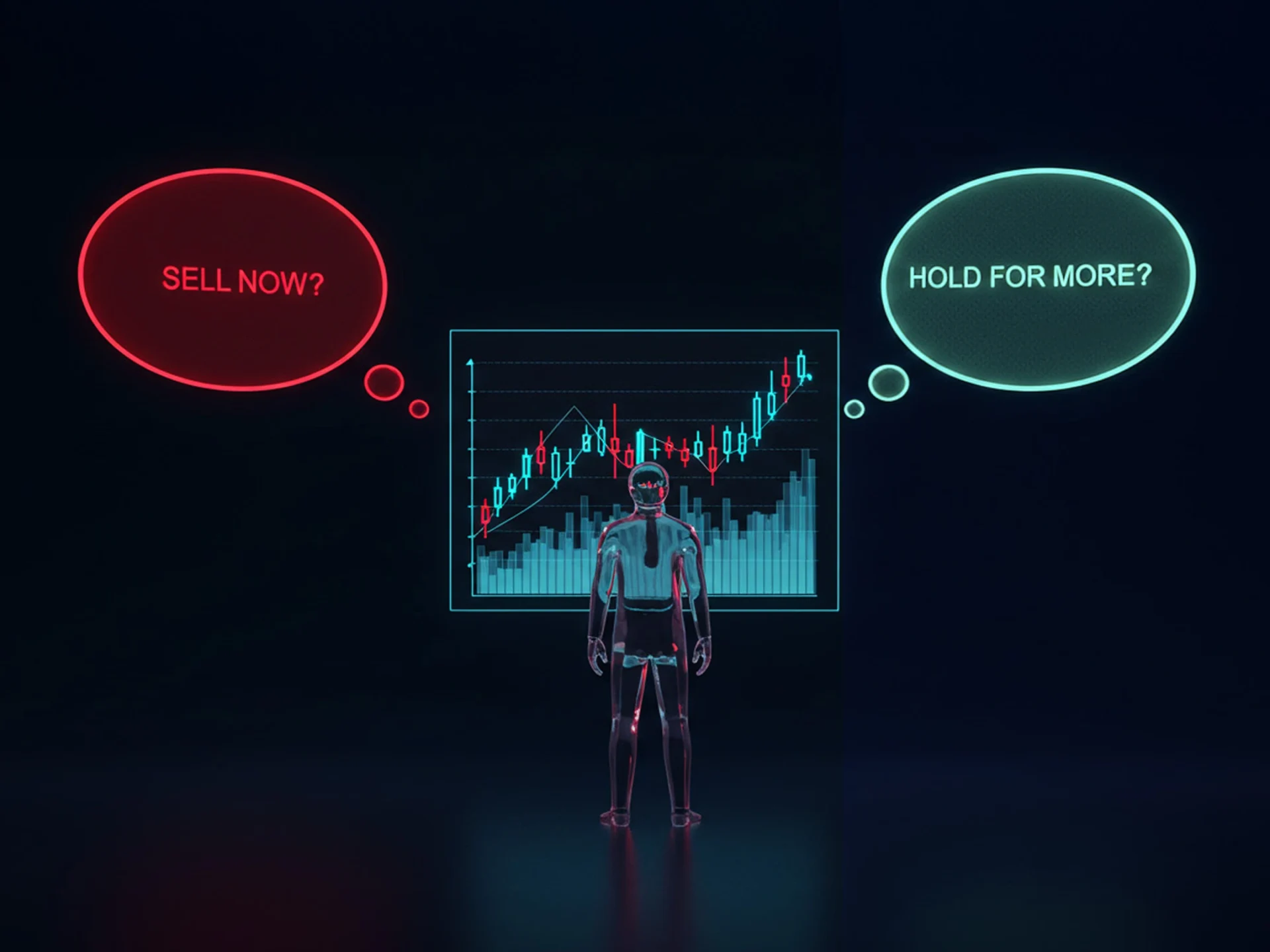
Trading fit often bring strong emotions wey dey rise and fall. One moment, you dey happy because your trades dey win, and di next moment, fear don grip you as di Market turn against you. Even though to spot good trades dey important, na how you manage your emotions really dey separate successful traders risk management strategies from di rest. Emotional intelligence dey help you manage fear and greed well.
Wetin emotional intelligence mean for traders trading psychology fundamentals?
Emotional intelligence na your ability to recognise, understand and manage emotions, both your own and oda pipo own. For trading, dis mean say you go stay calm wen Markets dey change sharply and avoid quick decisions wey fear or greed cause.
Think about am: Fear fit make you exit trade too early. Greed, on di oda hand, fit tempt you to hold losing trades for too long, as you dey hope for miraculous recovery wey no go happen. If you develop emotional intelligence, you fit avoid dese traps and make decisions wey get more reason and discipline.
How to build self-awareness: Know wetin dey trigger your emotions
Di first step to master emotional intelligence na self-awareness. Dis mean say you go look closely at how you dey react to different Market conditions.
Ask yourself:
- I dey anxious and sell too quickly wen trade move against me?
- I dey too confident and take unnecessary risks afta I win a few trades?
To recognise dese patterns dey important. If you know how you dey react, you fit work actively to keep your emotions under control.
How to keep emotions under control: Practical strategies
Now wey you don identify wetin dey trigger your emotions, di next step na to learn how to manage dem. Here na some simple strategies to help you stay in control:
- Stick to trading plan. Clear plan dey remove guesswork and decisions wey emotions drive.
- Use Stop Loss and Take Profit orders. Dese dey help prevent you from exiting trades suddenly because of emotions.
- Practise mindfulness. Pause and breathe make you fit think clearly again.
- Keep trading journal. If you track your trades and emotions, e fit help you spot patterns and improve your discipline.
Discipline na di foundation of consistent trading performance
Discipline na di key to making smart and consistent trading decisions. Dis na why e dey important:
| Situation | Without discipline | With discipline |
|---|---|---|
| How to limit losses | To remove Stop Loss because you dey hope say di trade go recover, wey go lead to bigger losses | To accept small losses and move on |
| How to take profits | To close trades too early because of fear | To trust your strategy and allow profits to grow |
| Overtrading | To enter random trades without plan | To stick to trades wey you don think through well |
Trader wey get discipline dey trust dia plan and avoid sudden decisions, even wen emotions dey strong.
Emotional intelligence dey just as important as Market knowledge. If you develop self-awareness, keep your emotions under control and practise discipline, you go prepare yourself for long-term trading success.
Test how well you fit manage your emotions in real time with free demo trading account. See how well you fit handle Market swings without real risk!
Quiz
If you dey hesitate to close trade wey dey lose, which feeling most likely dey influence your decision?
FAQs