Trading without plan be like road trip without GPS. You fit reach somewhere, but you go likely take some wrong turns (and maybe panic small). Better trading plan dey help you stay on track, trade wit confidence, and avoid quick decisions wey emotions cause.
Wetin be trading plan, and why you need one?
Think of trading plan as your personal plan for di markets. E dey show wetin you dey trade, how you dey trade, and, most importantly, why you dey trade. Whether you be beginner for trading or you want improve, structured approach dey make tins clear and help you make better decisions.
Step 1: Set your goals (and be honest!)
Before you start, ask yourself: Wetin I want achieve? You want make steady monthly income, grow your capital over time, or just gain some experience without risking too much? Wen you know your “why”, e dey help you stay focused and build plan wey really fit your lifestyle.
Step 2: Choose your trading style
You like di excitement wey quick trades dey bring, or you prefer slower approach wey focus more on strategy? Your trading style matter! You fit be:
- Day trader wey dey make multiple trades for one day.
- Swing trader wey dey hold trades for days or weeks.
- Position trader wey dey think long-term and trade big market moves. Each style get different risks, time commitments, and strategies, so choose di one wey fit you best.

Step 3: Plan your strategy
Now, make we tok about tactics. How you go decide wen to enter trade and wen to exit? Some key elements wey you fit consider na:
- Technical analysis: Use charts, indicators, and patterns to choose wen to trade.
- Fundamental analysis: Keep eye on economic news and events.
- Risk management: Set Stop Loss and Take Profit levels so you no go risk your whole account on one trade.
Risk management: Your safety net
Make we tok am as e be. Trading no be only about making money; e also involve making sure say you no lose too much wen tins no go your way. Na so you fit protect your capital:
- Stop Loss & Take Profit orders: Set exit points ahead of time to avoid decisions wey emotions cause.
- Risk-reward ratio: Make potential profits match di risks wey you fit accept.
- Position sizing: Invest wisely. No expose too much of your capital to risk on one trade.
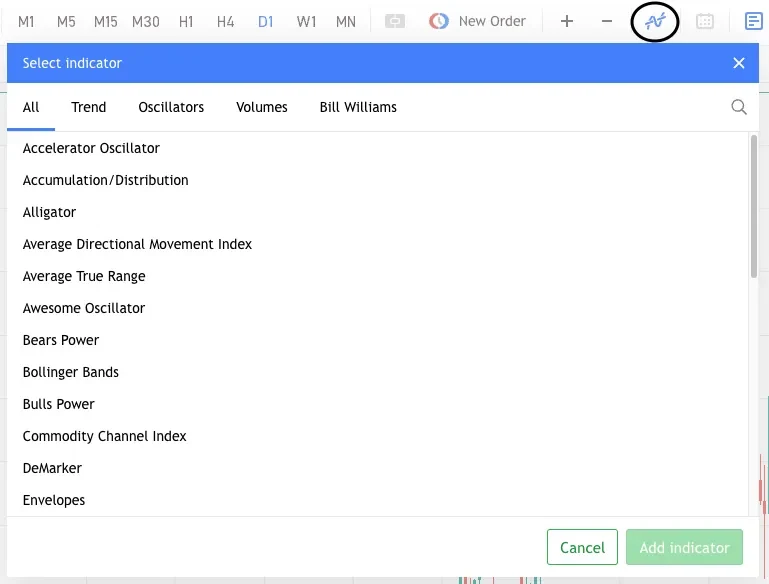
- Volatility indicators: Tools like di Average True Range (ATR) dey help you adjust your strategy to market conditions.
Track your trades like pro
You want improve for trading? Keep trading journal. Record wetin you trade, why you enter, and how di trade perform. As time dey go, you go see patterns for wetin dey work (and wetin no dey work). Tins wey you fit track:
- Entry & exit prices
- Why you enter di trade
- Wins, losses, and lessons wey you learn
- Market conditions
Continue to learn and adjust
Your trading plan no be something wey you go “set and forget”. Na work wey dey continue. Review your trades, adjust your strategy, and most importantly, practise wit free demo account before you trade live. Di more you improve your plan, di more confidence you go get for your trades.
Quiz
Wetin for dis list NO be important part of trading plan?
FAQs