CFD (Contract for Difference) na financial derivative contract between you and broker to exchange di difference for di price of an asset between wen you open and close di trade. Dis concept apply to plenty assets, including forex, stocks, indices, and commodities. E dey especially appealing because e dey allow you trade for markets wey dey rise and fall using leverage.
CFD trading dey allow traders speculate on price movements for financial markets without owning di underlying asset. Instead of buying physical commodity or share, you dey trade based on whether you expect di price to rise or fall. Dis make CFDs one of di most flexible and accessible forms of trading for both beginners and experienced traders.
Quick summary
- CFDs dey allow you speculate on market prices without owning di asset.
- You fit trade for both directions: you fit make profit from prices wey dey rise or fall.
- Leverage dey help you control larger positions, but e also dey increase risk.
- Deriv platforms like Deriv MT5 and Deriv cTrader trading platforms, wey dey make CFD trading accessible to beginners.
- Commodities, forex, and indices dey among di most popular CFD markets.
Wetin be di key features of CFD trading?
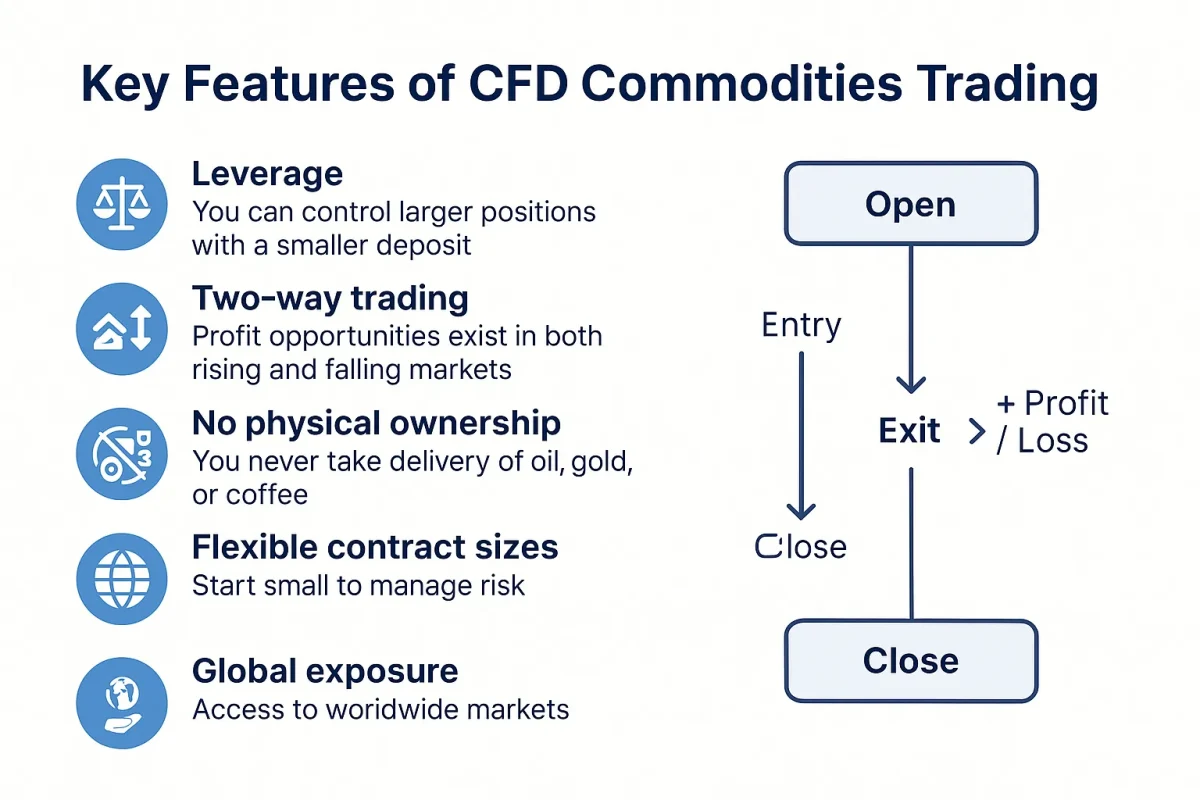
Leverage for CFD trading margin trading
Leverage dey allow you open trades wey pass your initial capital. For example, wit 10:1 leverage, $100 deposit fit control $1,000 trade. While dis dey magnify profits, e also dey increase losses, so proper risk management dey essential.
Sarah Long, financial educator wey dey based for London, advise say:
“Leverage get power, but beginners suppose focus on survival before profit. Start small, use Stop Loss orders, and treat your first few months as training.”
Two-way trading
Unlike traditional investing, CFD traders fit potentially make profit for markets wey dey rise or fall. You fit open long position wen you expect prices to increase or short position wen you expect dem to drop. Dis flexibility make CFDs useful choice for markets wey dey change.
No physical ownership
You no need to own di actual asset wey you dey trade. CFD traders fit benefit from price movement without di complications of storage, delivery, or ownership, and dis dey particularly relevant for commodities like gold, oil, or coffee.
Flexible position sizing
CFD trading dey allow traders adjust trade sizes according to wetin dem dey comfortable wit. Beginners fit start small, and gradually increase dia trade sizes as dem dey gain experience.
Wide access to markets
CFDs dey provide exposure to different global markets, including forex, indices, commodities, and shares, all from one platform. Dis access dey make am easier to diversify and find opportunities across time zones.
Wen markets dey move quickly, leveraged positions dey react more strongly, and dis na key reason why risk management dey vital for CFD trading.
For example, you open buy CFD position on gold at $2,000 per ounce. If di price rise to $2,020, you earn di difference (minus trading costs). If e drop to $1,980, you lose dat difference.
Wetin be di benefits and risks of CFD trading for beginners?
CFD trading combine accessibility wit opportunity, but e also get risk. E dey crucial to understand both sides before you invest real money.
Benefits
- Low capital entry: You fit start trading wit small deposits.
- Different opportunities: You fit access multiple asset classes, including forex, indices, and commodities.
- No expiry date: Unlike futures, most CFDs no get expiry date; positions fit remain open as long as you maintain margin.
- Real-time transparency: Modern CFD platforms, including di Deriv own, dey provide live price updates, spreads, and clear information about fees.
- Easy to use: Beginners fit access interfaces wey dey easy to understand and wey dey guide dem through trades step by step.
Risks
- Leverage dey magnify exposure: While leverage dey multiply potential profit, e fit also increase losses.
- Overnight financing: Trades wey remain open afta market close fit attract small interest fees.
- Volatility risk: Economic announcements, energy data releases, or geopolitical events fit cause prices to swing.
- Emotional trading: Without discipline, overtrading and poor risk control fit reduce capital.
David CM Carter, independent trading coach, explain say:
“To understand volatility na part of mastering emotional control. CFDs dey reward discipline and risk management.”
Contract
Agreement to exchange di difference for price from wen di contract open to wen e close
Leverage
You fit trade larger positions wit smaller capital outlay, as brokers dey lend you di majority of di position value
Margin
Di initial deposit wey you need to open leveraged position, often na small percentage of di total trade value
According to data from di International Monetary Fund (IMF), commodity market volatility for 2024–2025 don strongly link to changes for energy supply and interest rate policies, and dis dey reinforce di need for instruments like CFDs wey allow risk management.
To reduce dese risks, traders often dey use Stop Loss and Take Profit orders. Stop Loss dey automatically close trade wey dey lose at level wey you don set beforehand, to protect your capital. Take Profit dey secure gains wen your target reach, to prevent decision-making based on emotion.
How Deriv CFD trading platforms dey work for beginners?
Deriv dey make CFD trading simple for users wit all levels of experience. Whether you prefer detailed chart analysis or trading interfaces wey dey straightforward, Deriv dey offer platforms wey suit evri trading style.
Deriv MT5 and Deriv cTrader
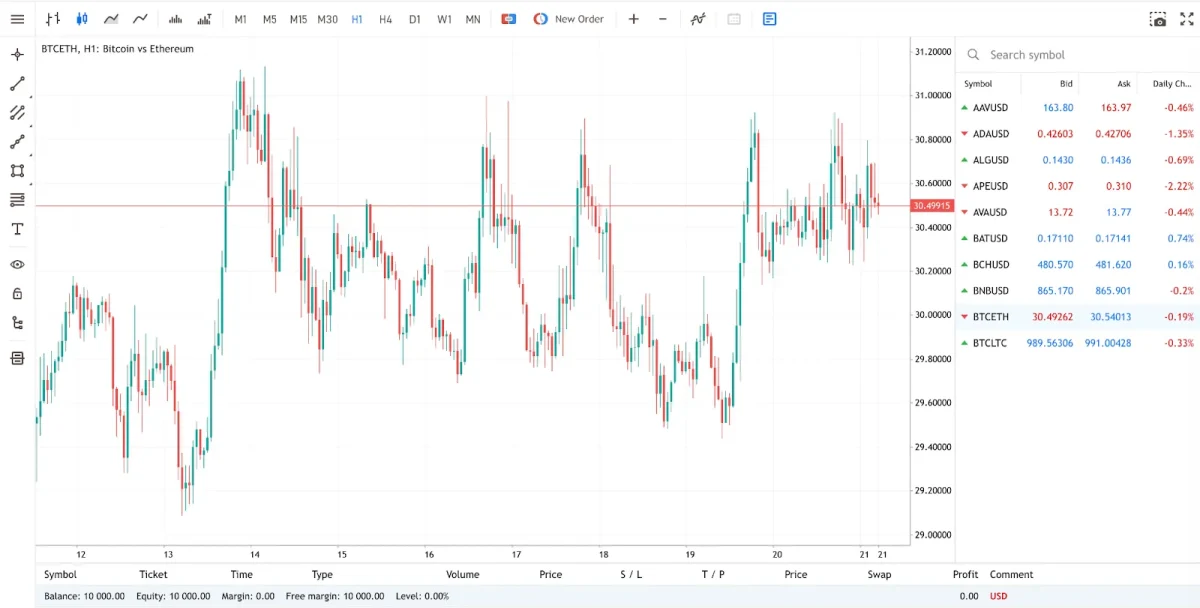
Deriv MT5 and Deriv cTrader na advanced platforms wey dem build for analytical and technical traders wey prefer more control and precision.
- Professional charting tools: Identify trends, analyse data, and use technical indicators like RSI, MACD, and Fibonacci retracements.
- Automated strategies: Set up trading bots or Expert Advisors (EAs) to execute trades without manual input.
- Tools for risk management: Stop Loss, Take Profit, and trailing stops wey dey built-in to control trades automatically.
- Different Markets: Trade CFDs on forex, indices, cryptocurrencies, and Commodities.
Abheeshta Ongole Santoshini, Deriv Marketing Technology Specialist, tok say:
“Deriv MT5 and Deriv cTrader give traders di flexibility to design strategies wey fit dia pace.”
Thisyahlen Nair from di Product Engineering team for Deriv tok say:
“Di goal for new traders no be speed. Na clarity. Our platforms dey help beginners visualise trades, understand Leverage, and learn through practice.”
Wetin be commodity CFDs, and why you fit trade commodity CFDs on Deriv?
Commodity CFDs na one type of CFD trading wey you dey speculate on di price of raw materials like gold, oil, or coffee. Dem dey work di same way as oda CFDs: you dey trade on price differences instead of owning di actual commodity.
Why commodity CFDs dey appeal to traders
- High liquidity: Commodities like gold and crude oil get strong daily trading volume and tight Spreads.
- Movement wey events dey cause: Economic data, OPEC+ policy changes, or changes for weather fit quickly affect prices.
- Diversification: Commodity CFDs dey help balance portfolios wey for depend on forex or equities otherwise.
- Volatility potential: Fast price movements dey create opportunities for both short-term and long-term trades.
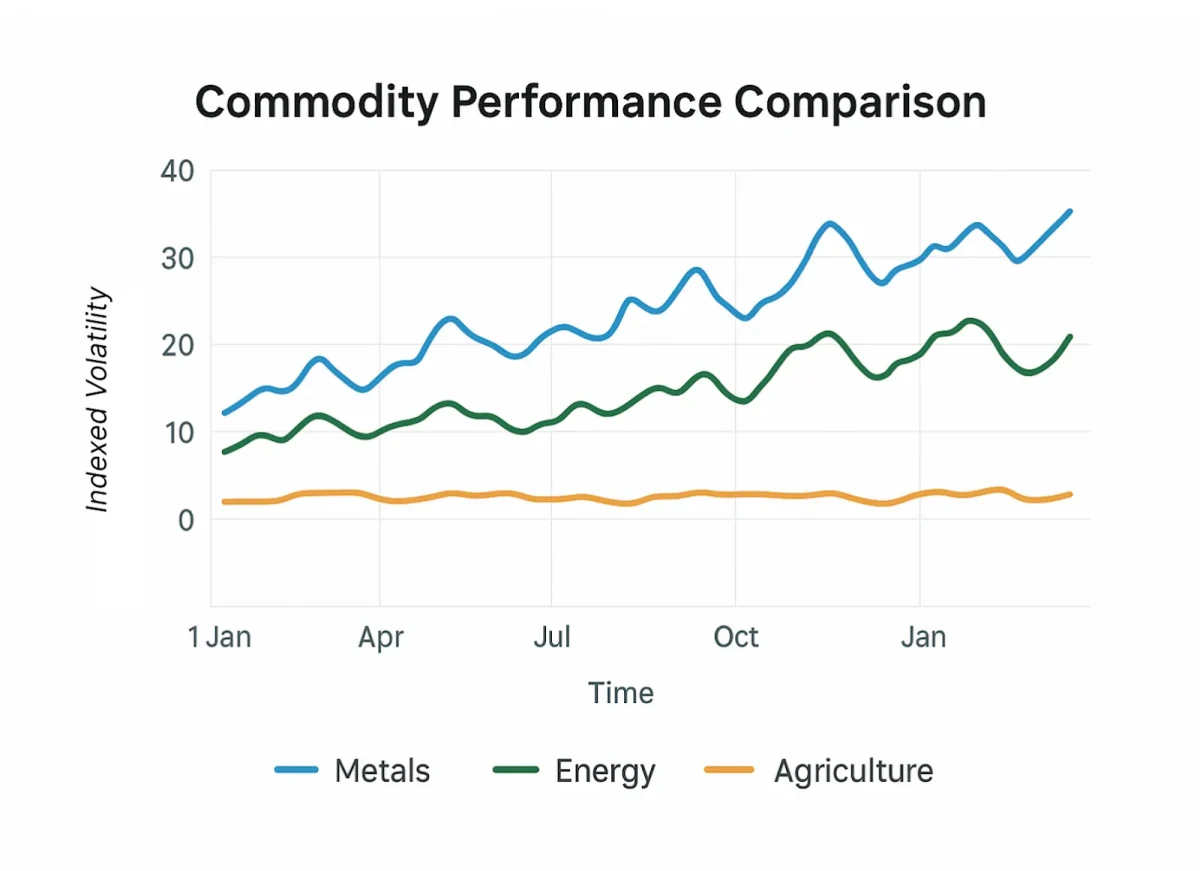
Data from di World Bank Commodity Markets Outlook (2025) show say agricultural and energy Commodities experience sharper seasonal swings than metals, because of climate patterns and demand wey dey change.
Common trading strategy: Beginners often dey start wit one or two Commodities (like gold or oil), practise on demo account, and gradually add more as dem dey learn how macroeconomic factors dey affect each Market.
How beginners fit learn to trade CFDs safely trading strategies for beginners and effectively?
To learn CFD trading na step-by-step process. Every successful trader dey start wit education and practice before dem risk real capital.
Practical steps to start
- Study CFD basics: Learn how contracts, Leverage, and margin requirements dey work.
- Use demo account: Deriv free demo dey let you trade wit virtual funds under live Market conditions.
- Set goals: Decide wetin type of trader you want to be: day trader, swing trader, or long-term investor.
- Apply risk management: Always use Stop Loss orders and risk only small percentage of your Balance for each trade.
- Continue to learn: Explore Deriv learning centre for free courses, webinars, and platform guides.
Common mistakes wey beginners need to avoid
- Trading without a plan: Always decide your entry, exit, and risk level.
- Ignoring di effects of Leverage: Start wit lower Leverage until you understand exposure.
- Overtrading: Focus on quality setups, no be quantity.
- Skipping reviews: Check your performance regularly to improve your discipline.
“Consistent learning and patience na wetin separate successful traders from impulsive traders,” na wetin Aisha Patel, Deriv Education Specialist, tok. “Deriv goal na to make dat journey structured and safe.”
Quiz
Which of dis options NO be advantage of CFD trading?
FAQs