How to choose di right volatility
For trading, volatility na how much di price of an asset dey change within a particular period. E dey show how market dey fluctuate, and na important factor for assessing risk. High volatility mean say di price of an asset fit change sharply within short time, and dis fit lead to big gains or losses. On di oda hand, low volatility mean say price dey more stable and no dey move as sharply. To understand volatility dey important if you want navigate markets and trade effectively.
Volatility Indices dey represent dis different levels of price movement, and dem dey designed to suit different trading styles. Dis lesson go explain di characteristics of Volatility Indices, wetin traders need to consider, and practical strategies for effective trading.
Characteristics of Volatility Indices
Deriv dey offer different Volatility Indices, and each one get volatility percentage wey determine di expected price fluctuations. While standard volatility indices dey experience price movement (tick) evri 2 seconds, Deriv also dey offer some indices wit di same volatility levels, but wey dey generate tick evri second. You fit recognise dis indices through di (1s) wey dey for di symbol.
Here na some popular examples, wit more detailed explanation of dia volatility levels:
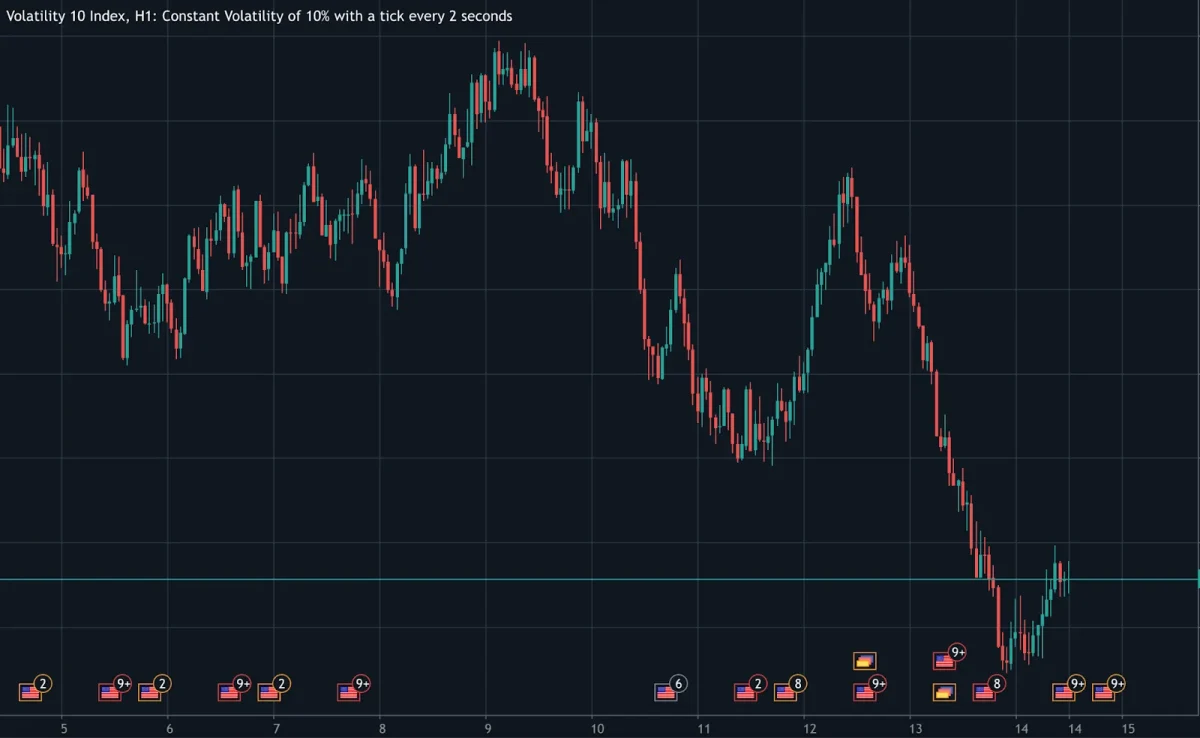
- Volatility 10 Index: Wit volatility of 10%, dis index dey suitable for traders wey dey look for stability and smaller price movements. Dis make am ideal for beginners or pipo wey prefer trading environment wia price movements dey more predictable.
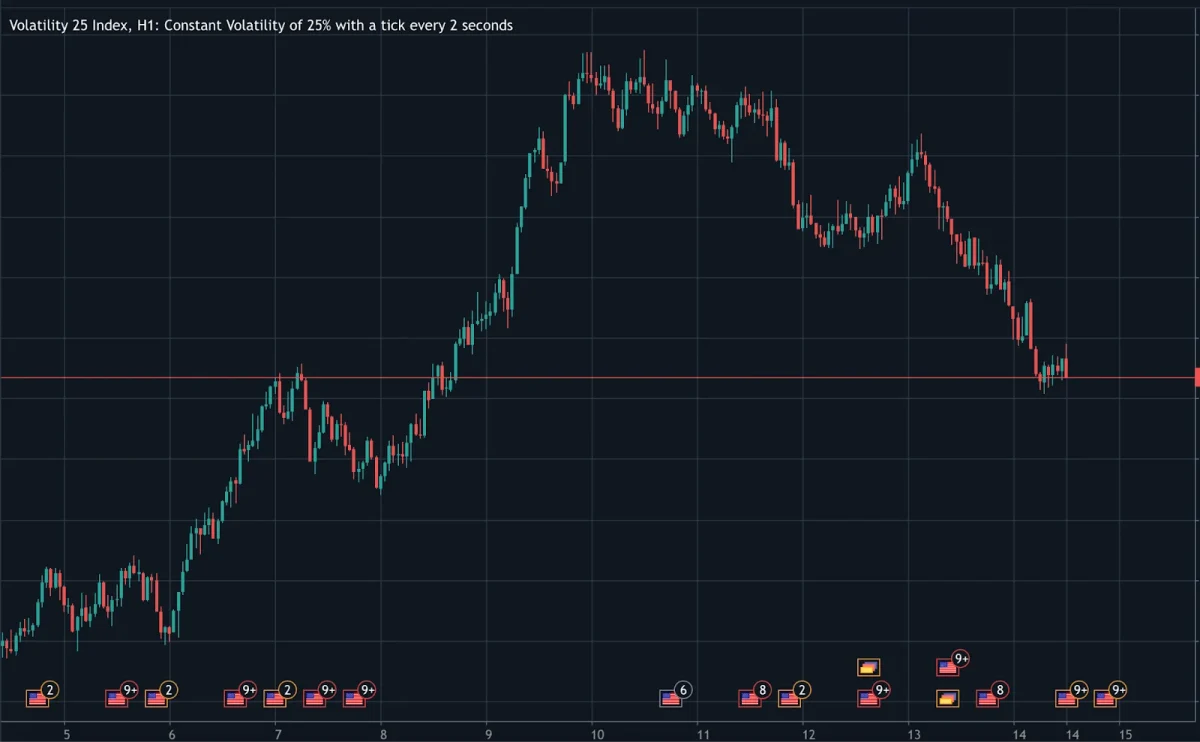
- Volatility 25 Index: Compared to di 10 Index, di Volatility 25 Index dey offer slightly more movement, and e dey balance risk and reward. E dey allow traders experience a bit more price movement while dem still get some level of stability.
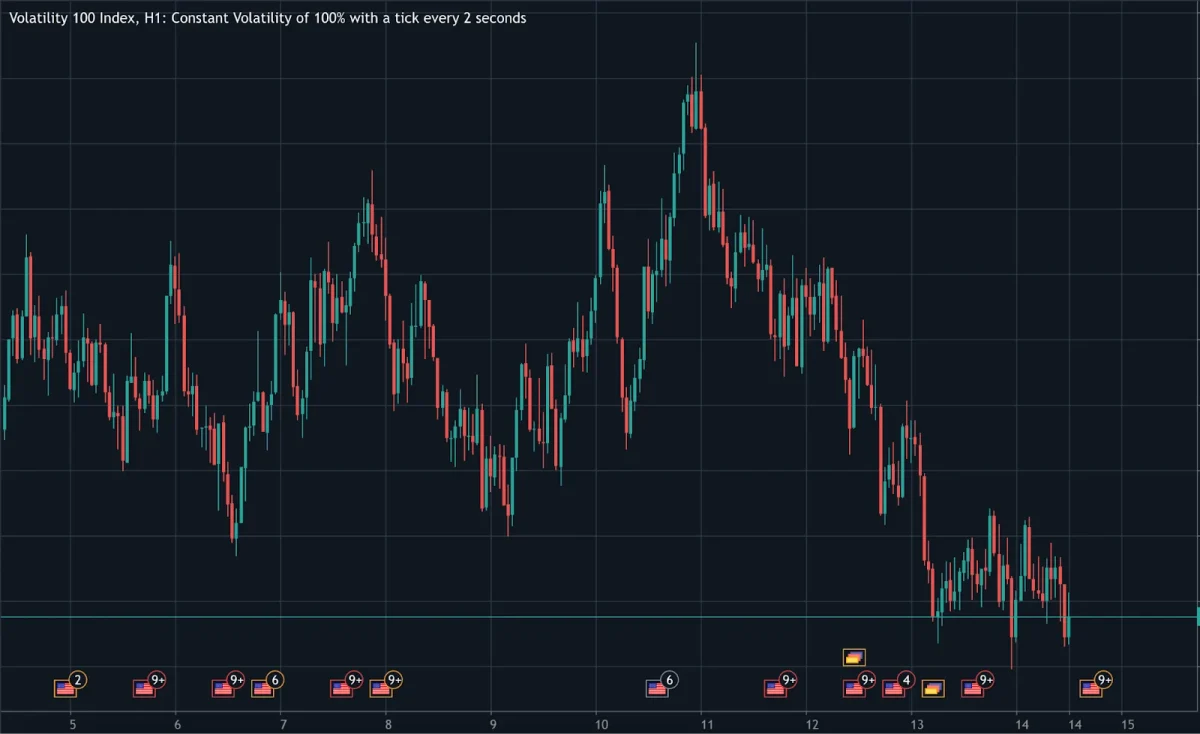
- Volatility 100 Index: Dis index get volatility of 100%, wey mean say market movements dey less predictable. E dey offer potential for high returns, but di risks wey come wit am make am suitable for experienced traders wey fit handle aggressive trading strategies.
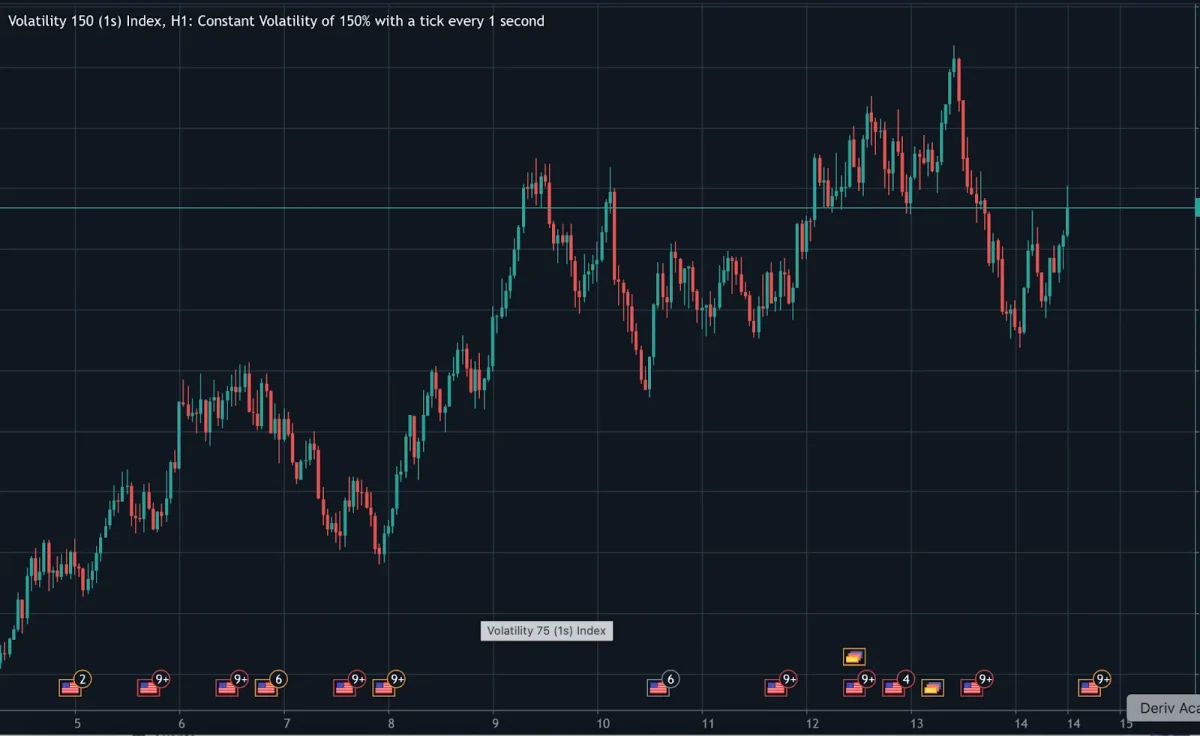
- Volatility 150 Index: Wit extreme volatility of 150%, dis index dey suitable for traders wey dey perform well for fast-moving environments wey get more risk. Although e dey offer opportunities for significant gains, e also get potential for substantial losses, so strong risk management strategies dey necessary.
How to assess your trading style and risk tolerance
Wen you dey select Volatility Index, e dey important to consider your own trading style and risk tolerance:
- Risk appetite: You dey comfortable wit sharp price movements, or you prefer movements wey dey more predictable? Your risk appetite go strongly influence di index wey you choose.
- Trading experience: E fit benefit beginners to start wit indices wey get lower volatility, like di Volatility 10 Index, so dem fit understand how market dey move. On di oda hand, experienced traders fit look for di more aggressive Volatility 75 or 100 Indices, wit di aim of getting higher returns.
- Strategic mindset: Assess how much time and effort you dey willing to dedicate to monitoring and analysing trades. Indices wey get high volatility fit require more attention and quick decisions, while indices wey get lower volatility fit allow you trade wit less pressure.
Practical trading strategies for Volatility Indices
Each Volatility Index dey suitable for different trading strategies based on im volatility characteristics, but here na some good practices for pipo wey want trade Volatility Indices:
- How to use Stop Loss orders: For markets wey get high volatility, like di Volatility 75 or 100, na good practice to use Stop Loss orders. Dis tool dey help reduce potential losses by automatically closing positions wen dem reach a particular price.
- Trend following: For indices like di Volatility 50 and 100, consider using a trend-following strategy. Dis involve analysing market movements to identify trends and placing trades for di direction of those trends.
- Diversification: To spread your investments across multiple Volatility Indices fit help you manage risk. For example, if you get positions for both di Volatility 10 Index and Volatility 150 Index, you fit balance risk while you take advantage of different levels of market movement.
Quiz
How dem define volatility for trading?
Which feature of di Volatility 10 Index make am suitable for traders wey dey careful?
Why traders suppose use Stop Loss orders for Market dem wey dey change fast?