Cryptocurrency often dey feel like part of finance wey nobody fit control: e full wit sudden price changes, viral trends, and shifts worth billions of dollars. For early 2024, Bitcoin lose $120 billion for im market value within one day, while Shiba Inu rise by 20% afta one celebrity endorse am. Dis movements fit look chaotic, but forces wey pipo fit measure dey work behind evri price swing. Dis article dey examine di underlying factors wey dey influence crypto prices, from supply and mining costs to sentiment, regulation, and speculation, to show di mechanisms wey dey drive dis volatile market.
Quick summary
- Crypto markets dey move in response to real economic factors, including supply, demand, and production costs.
- Competition, sentiment, and hype fit increase short-term volatility.
- How easy e be to access crypto for trading platforms and global regulation dey affect long-term stability.
- Wen traders understand dis drivers, e dey help dem interpret market movements, though e no dey reduce di inherent risks wey dey involved for trading.
Wetin be di factors wey dey influence cryptocurrency prices?
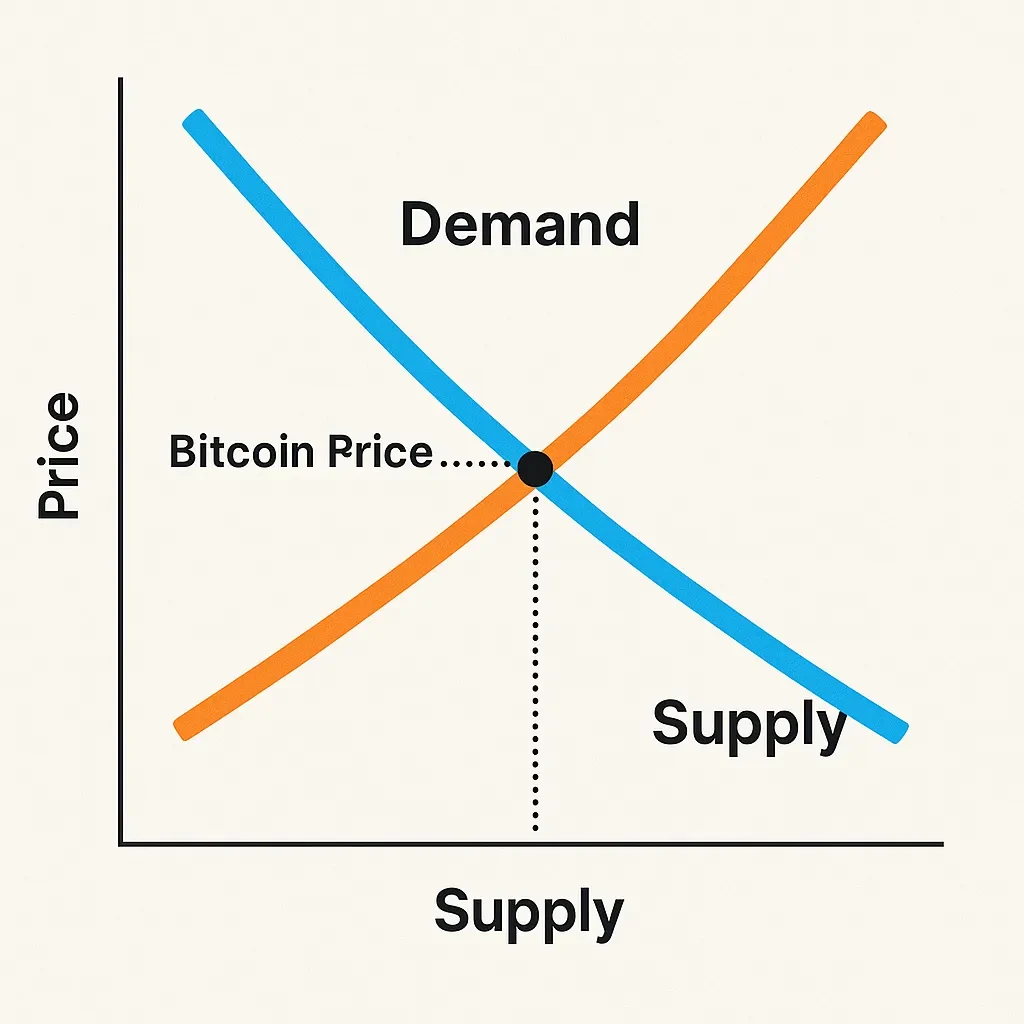
Di basic law of supply and demand dey at di centre of evri cryptocurrency market. Wen traders rush to buy, prices dey surge; wen selling pressure take over, values dey fall sharply. Bitcoin supply wey dey capped at 21 million coins dey make am scarce, and dis dey support im long-term appeal. Dis scarcity dey reflect how gold dey get im value, wey dey come from limited supply wey meet demand wey dey change all di time.
For example, during Bitcoin halving events, wey dey happen roughly evri four years, di rate wey new Bitcoin dey enter circulation dey drop by 50%. Historically, dis reduced supply don lead to significant bull runs, as e happen for 2017 and 2021.
Anoda example na Ethereum transition to proof-of-stake, wey reduce energy consumption and change di process wey supply dey enter circulation, and dis influence how pipo see im value.
Liquidity also dey determine how sharply prices dey react to changes for sentiment. Bitcoin and Ethereum, wit dia high trading volumes, dey absorb market pressure better than smaller-cap coins. Meanwhile, tokens wey pipo no too know fit swing sharply wen a few large trades enter di order books.
Dayana Binti Mohamad Ramli, Market & Product Intelligence Analyst for Deriv, explain further:
“Liquidity na di hidden heartbeat of crypto markets. Na im dey determine whether price reactions go be smooth corrections or sudden crashes.”
For traditional markets, asset prices dey fluctuate in response to economic data wey pipo fit measure, including Gross Domestic Product (GDP), employment, and interest rates.
Cryptocurrencies no get dis fundamentals; instead, dem dey depend on technology, sentiment, and liquidity. Na why crypto price movements often dey appear disconnected from wider financial indicators. Decentralised networks and global investor psychology na di main tins wey dey shape dem. But monetary policy still dey influence dem indirectly because interest rates dey affect liquidity, risk appetite, and overall market sentiment.
How mining costs dey affect crypto price movements?
For proof-of-work cryptocurrencies, mining na more than technical process—na cost base wey dey shape market behaviour. Miners dey invest in hardware, electricity, and cooling systems to validate transactions and earn rewards. Wen di cost of production near or pass di coin market value, miners dey reduce dia operations. Dis reduction for supply fit stabilise prices or even push dem higher over time.
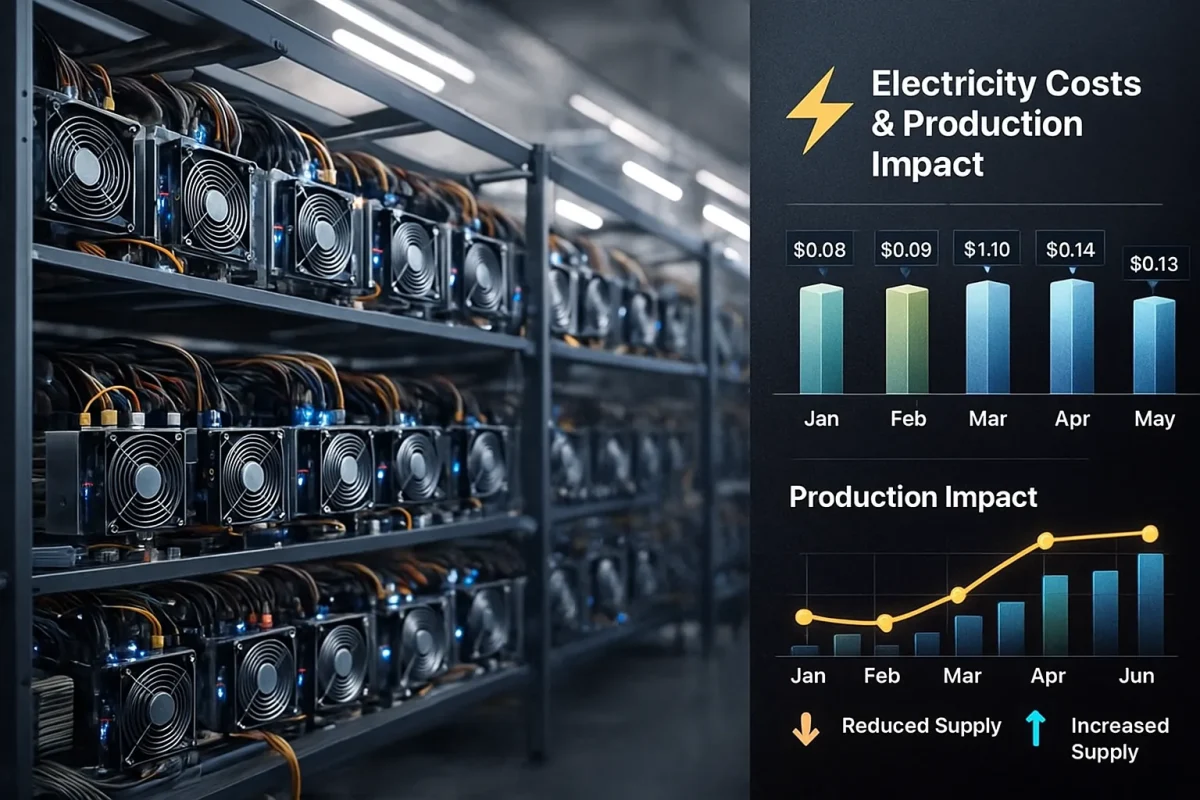
For example, for 2022, wen electricity prices rise sharply for some parts of Europe, smaller Bitcoin mining firms temporarily stop operations, and dis lead to lower network activity and reduced coin supply. As of 2025, improvements for renewable energy and more efficient chips don lower some production costs, but rising network difficulty dey maintain a delicate balance.
Di economics of mining remain a hidden but powerful factor wey dey influence crypto prices, as dem note for Investopedia overview of cryptocurrency fundamentals and di Cambridge Bitcoin Electricity Consumption Index.
Why competition and innovation dey drive crypto market volatility?
Innovation—and competition—dey help di cryptocurrency ecosystem grow. New projects dey constantly challenge established names like Bitcoin and Ethereum, and dem dey promise faster settlement speeds or cheaper transactions. Wen traders see technology wey better or better real-world use, capital dey flow towards dis newer assets.
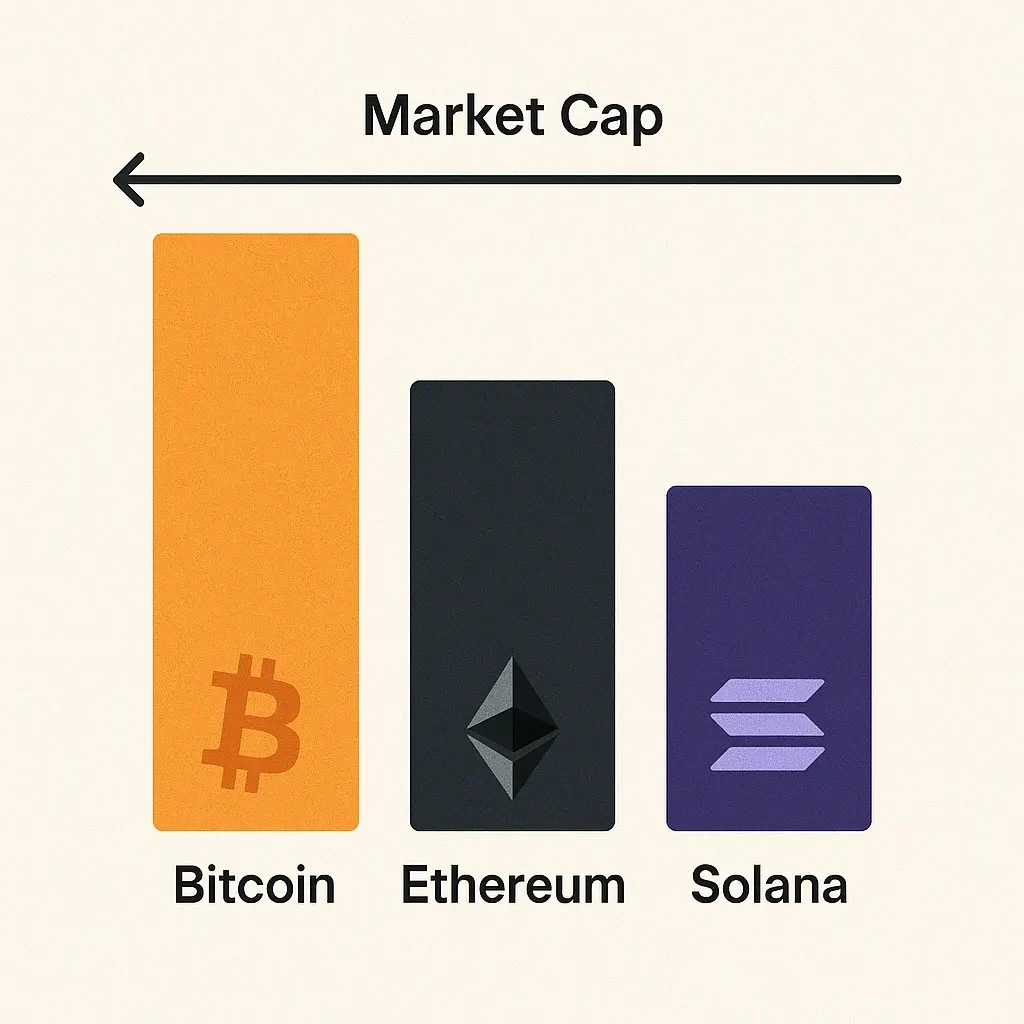
For example, wen Solana introduce high-speed transactions wit low fees, im market capitalisation rise sharply as investors see potential for mass adoption. For di same way, Avalanche finality wey dey take less than one second attract developers, and draw investment away from older, slower blockchains.
But no be evri challenger dey maintain momentum. Market cycles often dey reward new ideas but punish inconsistency. As coins dey rise and fall for popularity, competition dey redistribute liquidity and investor attention, and dis dey create continuous waves of volatility.
How crypto sentiment analysis, wey involve understanding market sentiment, dey explain price swings?
Emotions dey drive markets just as much as data. Optimism dey fuel rallies; fear dey trigger sell-offs. Crypto markets dey magnify dis pattern through social media, wia narratives dey spread instantly. Di Crypto Fear and Greed Index, wey dey measure sentiment through volatility, volume, and search trends, often dey serve as indicator for near-term market movements.
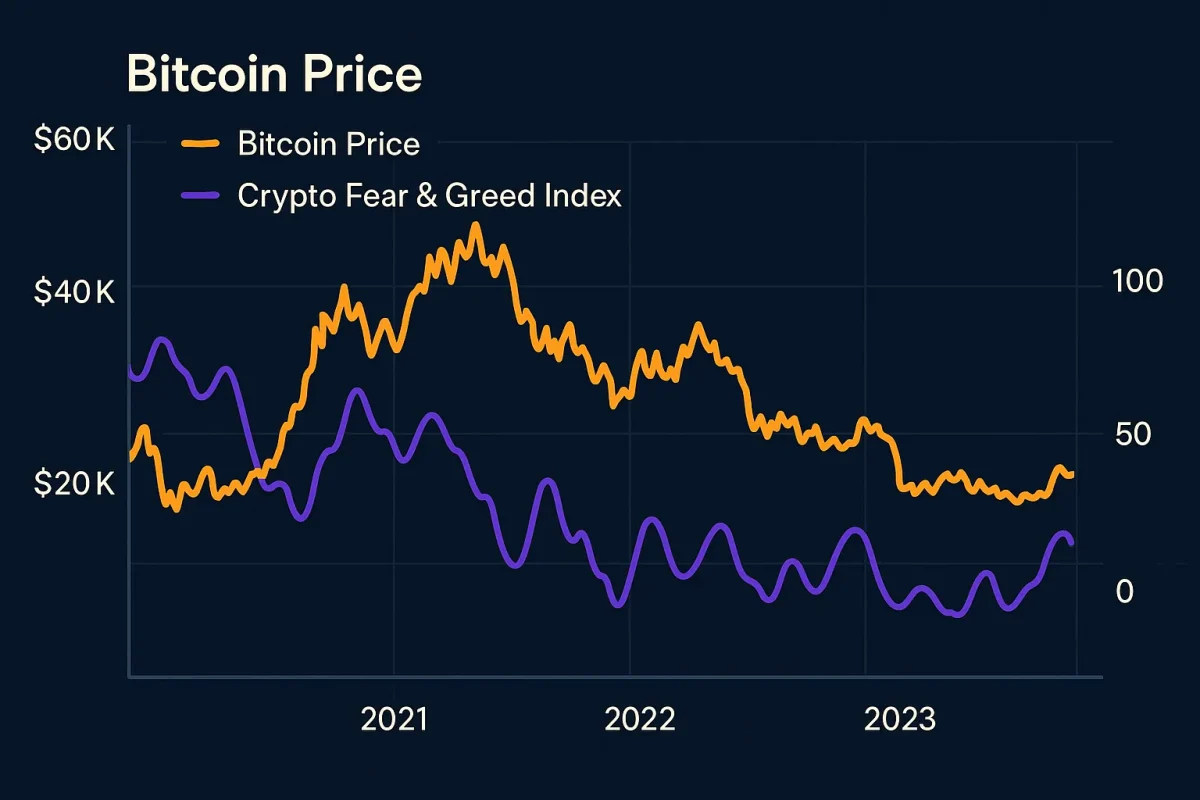
During di 2021 bull run, optimism around institutional adoption by Tesla and PayPal make Bitcoin soar pass $60,000. On di oda hand, for 2022, wen di Federal Reserve signal aggressive interest rate hikes, investor fear lead to sharp declines across di market. Dis shifts dey show how sentiment fit dominate short-term behaviour.
Aiden Grech, Trading Manager for Deriv, add:
“Sentiment be like gravity for di crypto market. E dey pull everything towards im direction, whether e make sense or not.”
For 2025, sentiment still dey closely connected to macroeconomic factors, including inflation, central bank policies, and political tensions for di world. Wen uncertainty dey rise, traders tend to move towards stable assets. Wen optimism return, liquidity dey flow back quickly into high-risk tokens. To learn more about behavioural finance, check di World Economic Forum report on digital assets.
How regulation and crypto prices take connect?
Govment policy still be one of di most important external factors wey dey influence di cryptocurrency market. Clear regulation fit make pipo accept one asset class as legitimate, while restrictive actions fit trigger sell-offs. For 2025, authorities around di world go focus on investor protection, anti-money laundering compliance, and taxation. Decisions from di US Securities and Exchange Commission (SEC), di European Central Bank, or regulators for Asia dey affect global markets immediately.
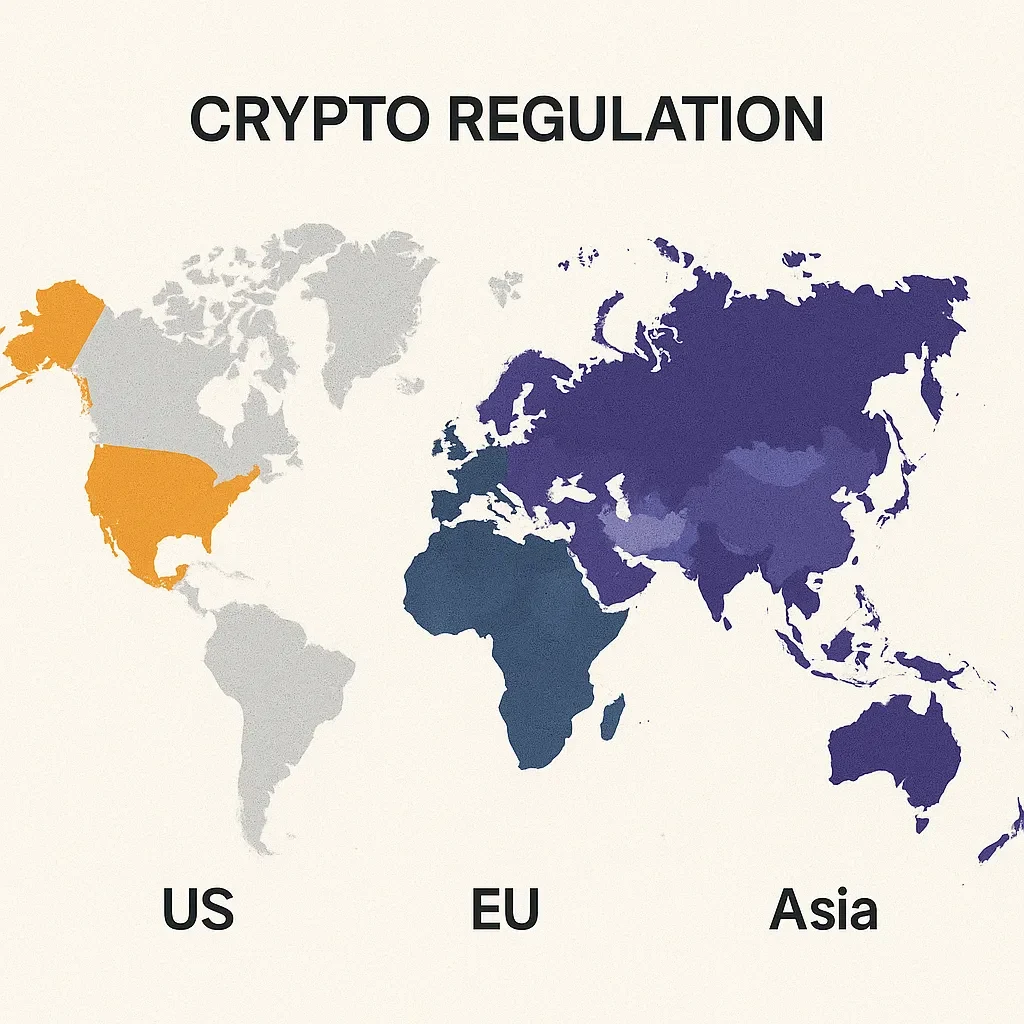
For example, wen di European Union introduce im Markets in Crypto-Assets (MiCA) framework, investor confidence grow, and dis help stabilise prices. On di oda hand, crackdowns for China and some US states for earlier years often lead to temporary market dips. According to di IMF research on digital currencies, consistent regulatory standards go likely strengthen long-term confidence and reduce di risk of manipulation.
How media coverage and global events dey affect crypto prices?
News headlines and global events often dey trigger sharp price movements strategies to manage volatility risk. Announcements like ETF approvals, exchange hacks, or high-profile bankruptcies fit affect di market within minutes. For di same way, global crises or inflation data fit change how much risk investors dey willing to take. Some traders dey monitor real-time news and technical indicators to stay aware of possible market shifts, although dese tools no fit reliably predict outcomes or remove risk.
How cryptocurrency trading strategies fit adapt to dese forces?
Wen traders understand di relationships between supply, mining costs, competition, sentiment, and regulation, dem fit make better-informed decisions.
To diversify assets and set Stop Loss limits na common techniques wey traders dey use to manage exposure, but dem no fit eliminate di risks wey come wit volatile markets.
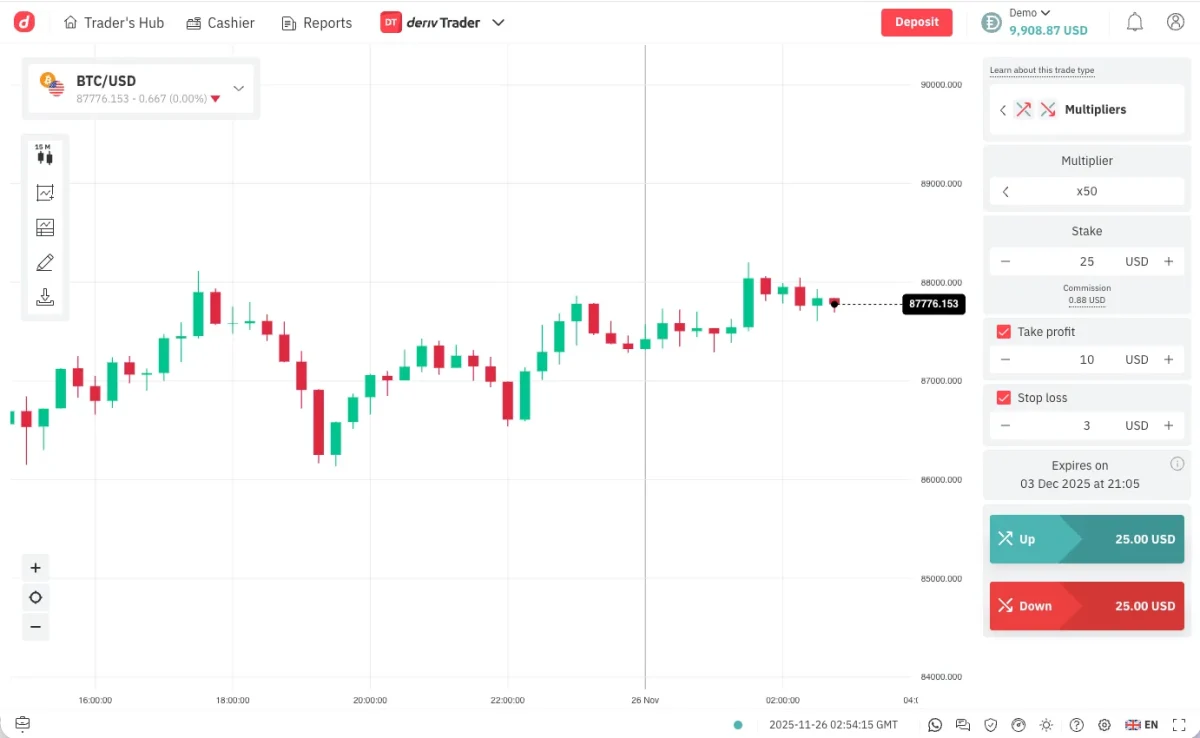
Platforms like Deriv dey offer demo accounts wia traders fit practise strategies under simulated conditions before dem decide whether to trade wit real funds. Real trading always get financial risk, and demo practice dey help users understand dese risks for controlled environment.
Di hidden forces, revealed
Behind evri price chart, system of connected causes dey: economic, technological, and psychological. Supply dey determine scarcity. Production costs dey set di minimum price level. Sentiment, hype, and competition dey shape di market highs and lows. Regulation and accessibility dey define di limits of trust. Dese elements dey interact constantly, dey produce di changing patterns wey traders dey observe evri day.
To understand dese hidden forces no mean say cryptocurrency prices go become predictable, but e dey help traders interpret market movements wit better awareness of di risks and underlying factors.
For Deriv, our market experts dey continuously monitor dese changing dynamics to help traders understand market dynamics better, although trading outcomes remain uncertain and involve financial risk.
Wen traders understand not just “wetin” dey happen, but also “why” crypto prices dey move, dem fit build informed strategies wey recognise volatility as one fundamental part of market dynamics.
Quiz
Wetin dey happen wen di cost of mining cryptocurrency pass im Market price?
FAQs