Vanilla options, wey dem also dey call “vanillas”, na good way to trade for di Market wit flexibility options trading. Dem give you di right (but no be obligation) to buy or sell an asset at a set price before a specific date. E sound complicated? Make we explain am step by step.
How vanilla options dey work?
To buy a vanilla option be like to get backstage pass. You pay for di opportunity but you decide whether to use am. If di experience worth am (di Market move in your favour), you fit use your pass and enjoy di benefits. If e no worth am, di worst wey fit happen na say you lose di cost of di pass, but nothing more.
Key terms wey you need to know
Before you start, here na some key terms wey you need to know:
- Expiration date: Na di deadline for your option. Afta dis date, your pass (option) go expire and you no fit use am again.
- Trade amount: Wen you buy a vanilla option, you dey pay a fee wey dem dey call premium or Trade amount to di option seller. Dis premium na di cost of getting di rights wey di option contract provide.
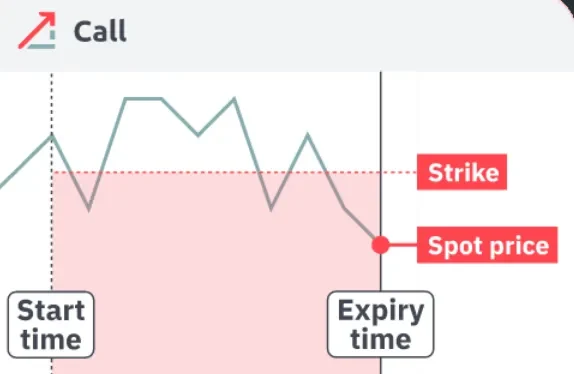
- Call option: E allow you to buy an asset at di strike price before e expires. E fit be useful if you think say prices go rise.
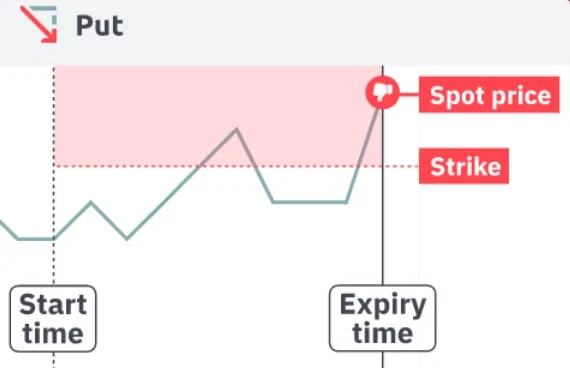
- Put option: E allow you to sell an asset at di strike price before expiry. E fit be useful if you think say prices go fall.
Wit Deriv, dem dey settle dese contracts wit Payout instead of di actual asset.
- Intrinsic value: Na di difference between di current price of di asset and di strike price.
- Time value: E dey show how much time remain before expiry. Usually, more time mean more value.
- Strike price: Di strike price, wey dem also dey call exercise price, na important concept for options trading. Na di price wey dem don set in advance for an option holder to buy (for call option) or sell (for put option) di underlying asset. Dem dey set di strike price wen dem create di option contract, and e get important role for determining di option potential Payout.
Why you fit trade vanilla options?
Traders like vanilla options because dem offer flexibility and potential rewards. See how you fit use dem:
- You expect say di price of an asset go rise? Buy a call option to lock in a lower purchase price. Dis mean say even if di Market price rise pass your strike price, you still get di right to buy at di strike price wey dem agree on.
- You think say prices go fall? Buy a put option so you fit sell at a higher price. Dis mean say even if di Market price fall below your strike price, you still get di right to sell at di strike price wey dem agree on.
Of course, no trade dey without risk. Vanilla options fit be exciting, but e always make sense to manage your risk and trade responsibly.
Start wit confidence how to start trading
Vanilla options give you plenty ways to trade, but like any financial tool, dem come wit risks. If you be beginner for options trading, you fit start wit a demo account on Deriv. You fit also improve your skills wit free courses for Deriv Academy.
You ready to start?
Log in to Deriv Academy wit di email and password for your existing Deriv account.
Practise wit a demo account and trade responsibly.
Quiz
Which of di statements about vanilla options wey dey below na true?
FAQs