
Perché USD/JPY sta perdendo il suo cuscinetto da carry trade

USD/JPY sta perdendo il suo cuscinetto da carry trade perché le ipotesi che hanno mantenuto lo yen debole per oltre un decennio stanno iniziando a sgretolarsi. L’era dei tassi d’interesse quasi a zero in Giappone si sta avvicinando alla fine, mentre il vantaggio di rendimento che un tempo rendeva irresistibile prendere in prestito yen si sta riducendo. La fiducia delle grandi aziende manifatturiere giapponesi è salita al livello più alto dal 2021 e la Bank of Japan è ampiamente attesa per un aumento del tasso di riferimento allo 0,75% nella riunione di dicembre.
Allo stesso tempo, il dollaro statunitense non gode più di un premio sui tassi incontrastato. Le aspettative sulla Federal Reserve si sono stabilizzate, ma non continuano più a salire in modo inarrestabile. Con la riduzione del differenziale dei tassi d’interesse e l’aumento dei costi di copertura, le dinamiche che hanno sostenuto la vendita persistente dello yen si stanno indebolendo. Questo cambiamento è importante perché USD/JPY è stato uno dei carry trade più affidabili del mercato – e questi scambi raramente si chiudono in modo silenzioso.
Cosa sta guidando USD/JPY?
Il motore principale dietro il cambiamento di USD/JPY è la crescente fiducia della Bank of Japan che inflazione e salari non siano più fenomeni temporanei. L’inflazione in Giappone ha superato il target del 2% per oltre tre anni e l’ultimo sondaggio Tankan mostra che le aziende ora si aspettano un aumento dei prezzi del 2,4% tra uno, tre e cinque anni, suggerendo che le aspettative di inflazione stanno diventando ancorate.
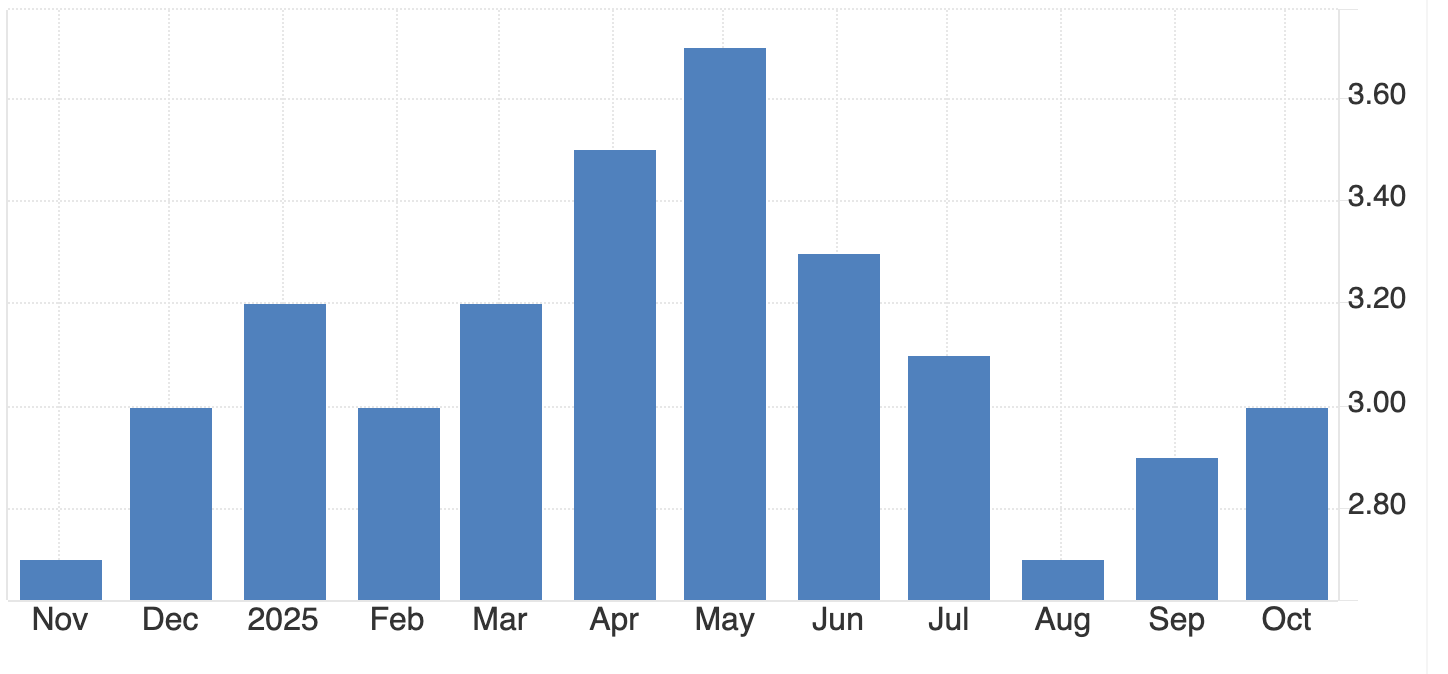
Questo segna una chiara rottura con la mentalità deflazionistica che ha dominato la politica giapponese per decenni. Il comportamento delle aziende rafforza questo segnale. Le grandi imprese prevedono di aumentare gli investimenti in conto capitale del 12,6% nell’attuale anno fiscale, mentre la carenza di manodopera è al livello più grave dal 1991, durante l’era della bolla degli asset in Giappone.
Questo mercato del lavoro sempre più rigido sostiene la crescita salariale, che la BoJ ha ripetutamente identificato come prerequisito per aumenti dei tassi sostenuti. Con le aziende in grado di trasferire i costi più elevati ai consumatori, i responsabili politici ora hanno una giustificazione più solida per normalizzare la politica senza temere uno shock improvviso della domanda.
Perché è importante
Per i mercati valutari, questa non è solo un’altra storia di rialzo dei tassi. È un cambiamento di credibilità. Lo yen è stato a lungo trattato come valuta di finanziamento, venduto quasi per default ogni volta che l’appetito per il rischio globale migliorava. Questo riflesso si basava sulla fiducia che i tassi giapponesi sarebbero rimasti ancorati vicino allo zero indefinitamente. I dati Tankan, combinati con un linguaggio sempre più aggressivo da parte del governatore Kazuo Ueda, mettono in discussione questa ipotesi.
Gli analisti sostengono che le dinamiche del mercato del lavoro stanno ora facendo gran parte del lavoro della BoJ. Capital Economics osserva che le gravi carenze di manodopera “bloccano il circolo virtuoso tra salari più alti e prezzi più alti”, dando alla banca centrale spazio per continuare a stringere la politica senza compromettere la crescita. Se gli investitori accettano che il tasso neutrale del Giappone sia più vicino all’1,5–2,0%, valutazioni USD/JPY sopra 150 diventano più difficili da difendere.
Impatto sui mercati e sul carry trade
La principale vittima di questo cambiamento è il carry trade globale sullo yen. Per anni, gli investitori hanno preso in prestito yen a basso costo per acquistare asset statunitensi e globali a rendimento più elevato, spesso lasciando l’esposizione valutaria scoperta perché lo yen si indeboliva costantemente. Questa strategia funzionava perché i costi di finanziamento erano trascurabili e le prospettive di politica monetaria erano statiche.
Ora, entrambi i pilastri stanno vacillando. Con l’aumento dei rendimenti dei Japanese Government Bond e i mercati a termine che prezzano ulteriori rialzi della BoJ fino al 2026, coprire lo yen diventa più costoso. Questo non scatena una fuga improvvisa, ma incoraggia un disimpegno graduale. Man mano che le posizioni vengono ridotte e si aggiungono coperture, la domanda strutturale di yen aumenta, esercitando una pressione costante al ribasso su USD/JPY, anche se i rendimenti USA restano elevati.
Prospettive degli esperti
I mercati sono sempre più concentrati su ciò che accadrà dopo la riunione di dicembre della BoJ. Un aumento di un quarto di punto è in gran parte già scontato; il vero segnale arriverà dalle indicazioni prospettiche. Se la BoJ inquadra la politica come un movimento verso un tasso neutrale piuttosto che come un aggiustamento una tantum, la rivalutazione dello yen potrebbe accelerare.
La conferenza stampa del governatore Ueda dopo la riunione sarà esaminata attentamente per qualsiasi indicazione che la normalizzazione della politica si estenda ben oltre il 2026. Sul fronte USA, il quadro è più equilibrato. L’ultimo dot plot della Federal Reserve mostra un solo taglio dei tassi previsto per il 2026, una posizione più ferma rispetto a quanto si aspettavano i mercati all’inizio dell’anno. Tuttavia, la pressione politica e gli indicatori di crescita in rallentamento limitano quanto la Fed possa diventare aggressiva. Con i dati su lavoro e inflazione USA attesi questa settimana, la volatilità di USD/JPY potrebbe aumentare, ma la tendenza generale favorisce sempre più una lenta erosione del supporto guidato dal carry trade per la coppia.
Punto chiave
USD/JPY non è più isolato dalle dinamiche del carry trade che lo hanno definito per anni. Il miglioramento del contesto inflazionistico in Giappone, il mercato del lavoro più rigido e una Bank of Japan più sicura stanno erodendo le basi strutturali per uno yen debole. Sebbene l’aggiustamento possa essere lento, la direzione è sempre più chiara. I trader dovrebbero monitorare le indicazioni della BoJ, i dati sui salari e le pubblicazioni macro USA per confermare che questo cambiamento stia diventando permanente.
Approfondimenti tecnici su USD/JPY
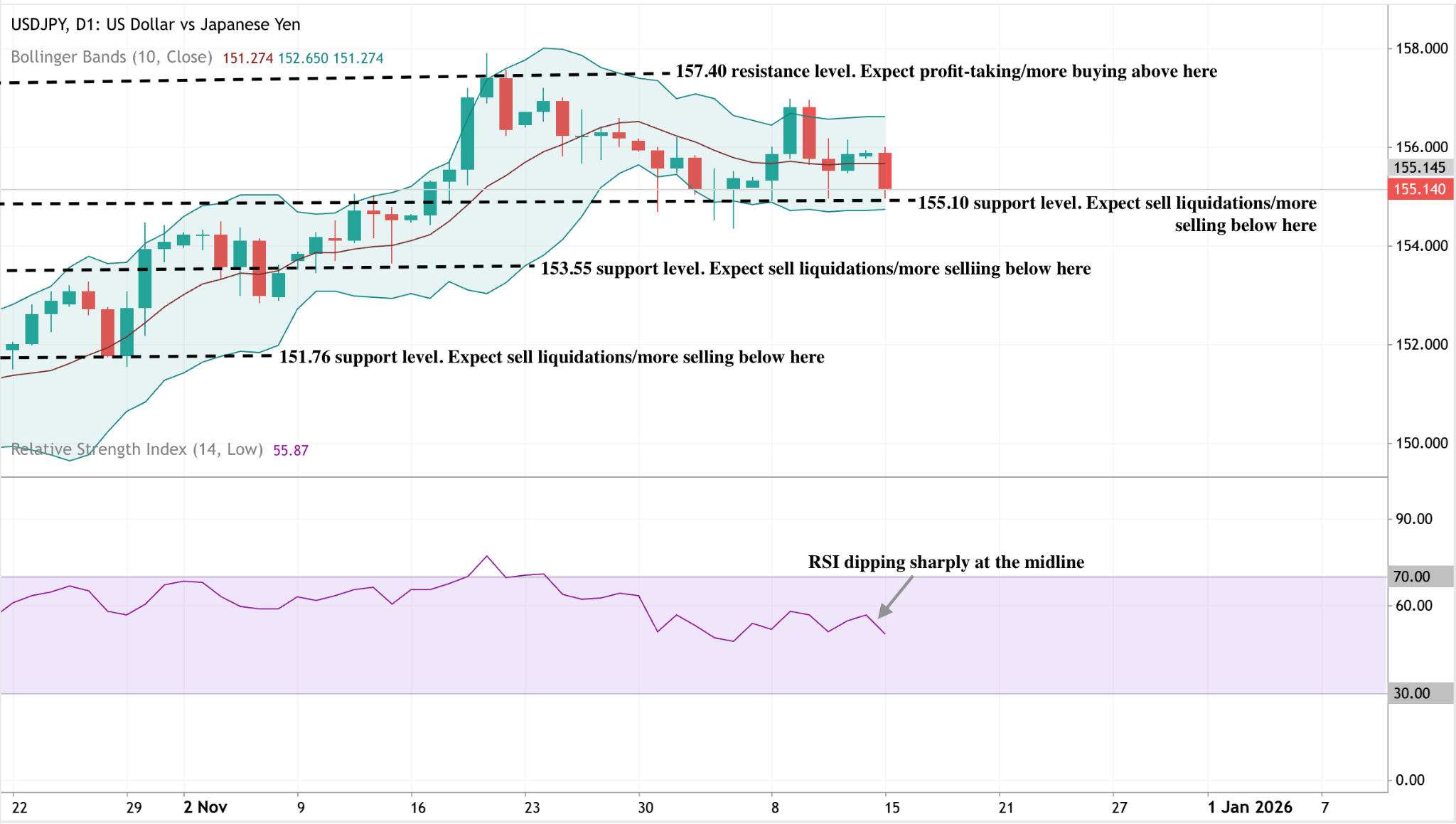
All’inizio della stesura, USD/JPY è scambiato intorno a 155,14, in calo dai recenti massimi dopo aver fallito nel mantenere lo slancio sopra la resistenza a 157,40. Quest’area rimane una barriera chiave al rialzo, dove i trader tipicamente si aspettano prese di profitto a meno che il prezzo non riesca a superare con decisione. Al ribasso, il supporto immediato si trova a 155,10, seguito da 153,55 e 151,76; una rottura sotto questi livelli probabilmente innescherà liquidazioni di vendita e un movimento correttivo più profondo.
L’andamento dei prezzi indica che la coppia sta tornando verso la parte centrale della sua fascia di Bollinger Band , segnalando un raffreddamento dello slancio rialzista dopo il rally precedente. Questo suggerisce che USD/JPY potrebbe entrare in una fase di consolidamento a meno che gli acquirenti non tornino rapidamente sul mercato.
L’RSI, ora intorno a 56, sta scendendo bruscamente verso la linea mediana, evidenziando un indebolimento dello slancio e una crescente cautela tra gli acquirenti. Sebbene ciò non segnali ancora un’inversione di tendenza, indica rischi ribassisti a breve termine se il supporto a 155,10 non dovesse reggere.
I dati sulle performance citati non costituiscono una garanzia di risultati futuri.


