
Copy Trading dey attract beginners wey want structured guidance, as well as more experienced traders wey want diversify how dem dey participate for Markets. Instead of analysing every price movement or technical signal, traders fit observe and replicate strategies wey oda traders dey execute trading strategies, while dem still dey exposed to di same Market risks.
Wen users mirror di decisions of a trader wey dem choose, dem gain real-time exposure to professional trading behaviour while dem still retain control over allocation and risk settings. As time dey go, dis combination of automation and observation fit help traders understand strategy execution, risk management, and how different asset classes dey behave under changing Market conditions better.
Quick summary
- Copy Trading dey allow you mirror di trades of experienced traders automatically.
- E dey work wen you select a strategy provider, allocate funds, and allow di platform execute trades in parallel.
- You dey control allocation, risk settings, and wen to stop or pause copying.
- Key features include diversification, exposure to different trading approaches, and less need to monitor di Market all di time.
- Key risks include Market volatility, changes in provider performance, and differences in execution.
- Deriv cTrader dey offer transparent performance data, allocation control, and demo access for new users.
Wetin be Copy Trading?
Copy Trading na di practice of linking your trading account to di account of a trader wey you choose, wey pipo often dey call a strategy provider, so dat your account go automatically open, manage, and close positions in line wit dia own. Although pipo often dey use terms like social trading and mirror trading to mean di same tin, Copy Trading specifically mean di automatic replication of anoda trader actions.
Social trading usually dey focus on community discussions and manual copying, while mirror trading often dey involve rule-based systems. Copy Trading dey between di two because e dey combine traders' choices wit automated execution.
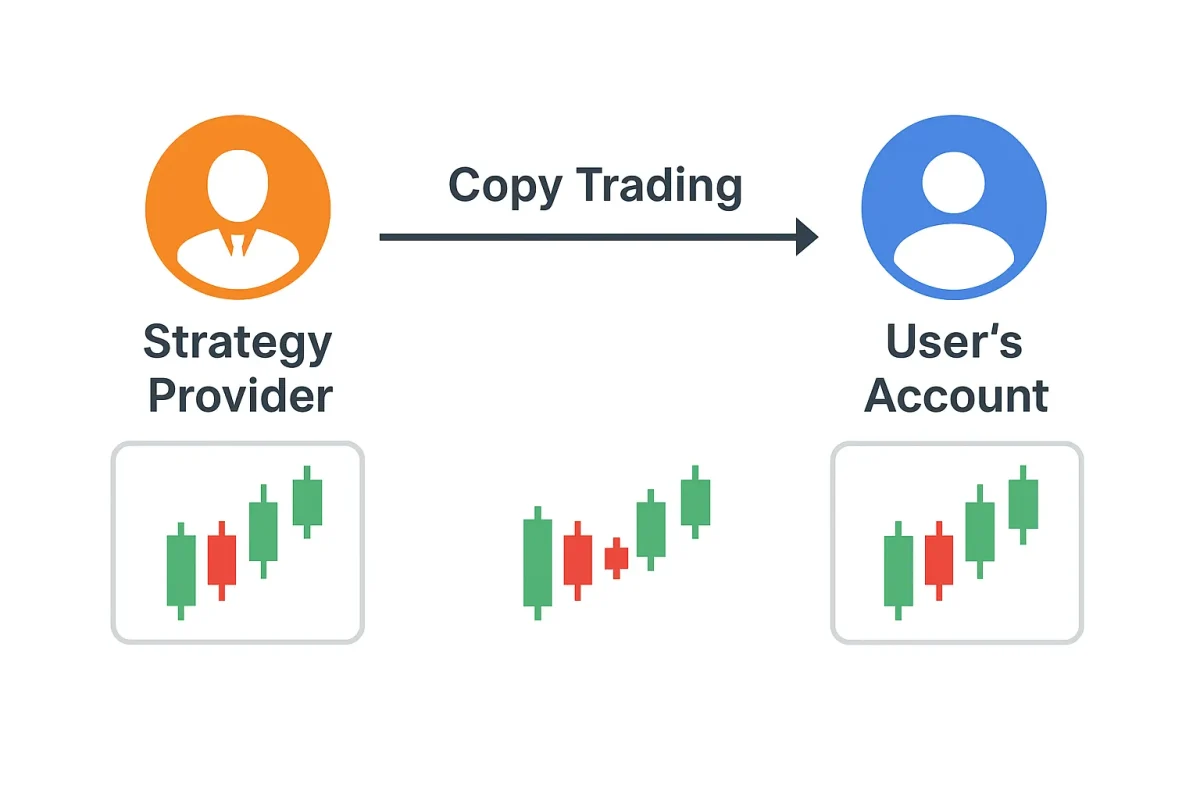
Modern platforms dey provide detailed information about strategy providers, including profitability trends, drawdown history, preferred instruments, and trading frequency. Dis dey help users make informed decisions before dem choose who to follow.
How Copy Trading dey work?
Copy Trading dey follow a consistent process across most platforms.
1. Choose a platform trading platform
A reliable Copy Trading platform dey track di performance of im providers and manage order execution. Platforms like Deriv cTrader dey offer transparent dashboards wey show performance charts, drawdowns, average monthly returns, instrument focus, Leverage usage, and trading rhythm.
2. Review and select strategy providers
To select di right provider na important step. Important factors include:
- Performance history: Look for consistency instead of one-time spikes.
- Risk behaviour: Maximum drawdown, position size, and volatility patterns dey show how a provider dey manage risk.
- Instruments wey dem trade: Providers wey focus on forex, indices, or Commodities go behave differently.
- Style: Scalping, swing trading, and trend following each get different risk levels.
- Execution frequency: Fast strategies fit respond to Market volatility differently from slower ones.
3. Allocate your funds
Once you select a provider, you go decide how much capital to assign. Many platforms dey allow proportional copying, wey dey ensure say your risk exposure align wit your account size.
4. Automated execution
Trades dey copy automatically. Wen a provider open, adjust, or close a position, your account dey perform di same action. Small differences fit happen because of:
- Price movements between di signal and execution
- Liquidity
- Execution speed
- Minimum trade sizes
- Slippage for Markets wey dey move fast
Although performance fit no match exactly, di direction and intent remain di same.
5. Monitor and manage risk risk management
Copy Trading still need oversight. You fit pause copying, adjust allocation, close trades manually, or change risk settings. Regular monitoring dey help you ensure say di provider approach align wit your goals.
How Copy Trading dey work for beginners?
Beginners often dey choose Copy Trading because e dey shift di focus from independent trade analysis to observing how experienced traders dey manage positions under live Market conditions. Because di system dey automated, e dey allow dem observe strategies in real time while dem gain practical exposure.
Platforms dey present performance data for formats wey dey easy to understand, wey help new users understand trends, volatility, and risk before dem commit funds. Dem dey encourage beginners to start small, monitor trades frequently, and diversify across multiple providers.
How strategy providers fit improve your Copy Trading results?
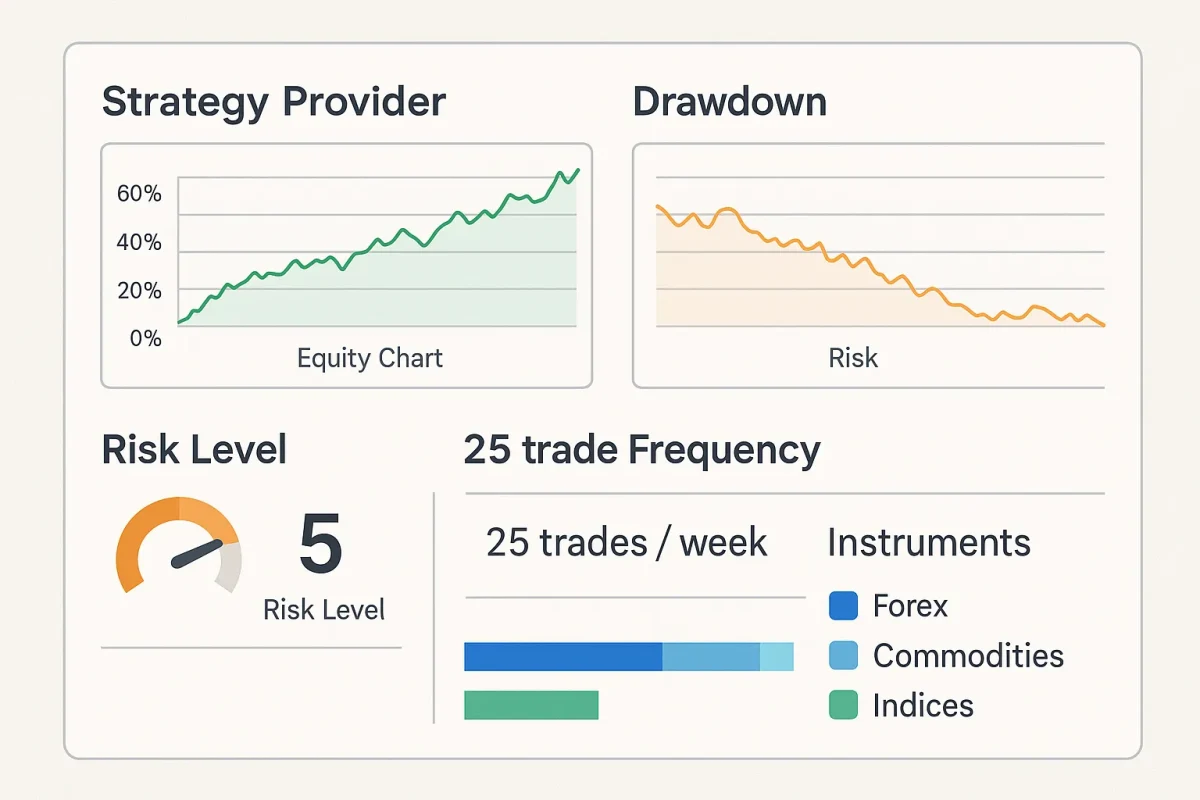
Strategy providers dey drive di performance of any Copy Trading setup. A reliable provider fit offer:
- Strategies wey dem clearly define
- Consistent historical results
- Lower drawdowns
- Stable execution patterns
- Transparent trading behaviour
Daniel Rees, Professional Forex Trader, add say:
“A strategy provider drawdown dey tell you far more about dia discipline than dia profit curve. Consistency always dey beat aggressive spikes for performance.”
To choose providers wey get well-documented track records fit help traders understand better how a strategy don behave under different Market conditions.
Wetin be di key risks for automated trading?
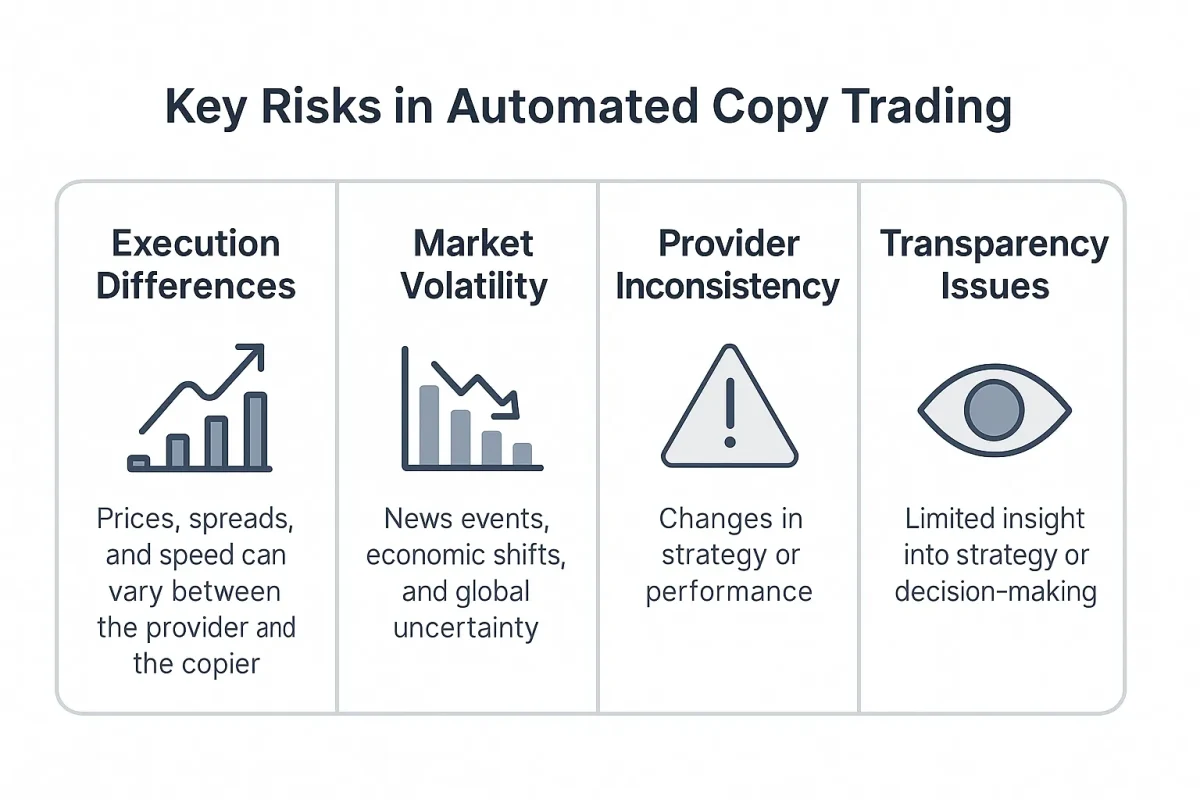
Although automated systems dey reduce manual effort, dem come wit risks:
Aisha Karim, Deriv Risk Specialist, explain further say:
“Automated trading dey remove emotional decision-making, but e also dey amplify structural risks. Traders should monitor changes for di behaviour of di providers wey dem choose.”
1. Changes for provider performance
Even strong traders dey experience losses. Past performance no dey indicate future results.
2. Market volatility
News events, economic shifts, and global uncertainty fit affect execution and amplify risk.
3. Differences for execution
Prices, Spreads, and speed fit differ between di provider and di pesin wey dey copy.
4. Less control
Even though automation dey helpful, e mean say trades fit run for longer time than you expect unless you take action.
5. How clear di strategy be
If information about how provider dey trade no plenty, e fit make am harder to assess risk.
How Copy Trading dey support portfolio diversification?
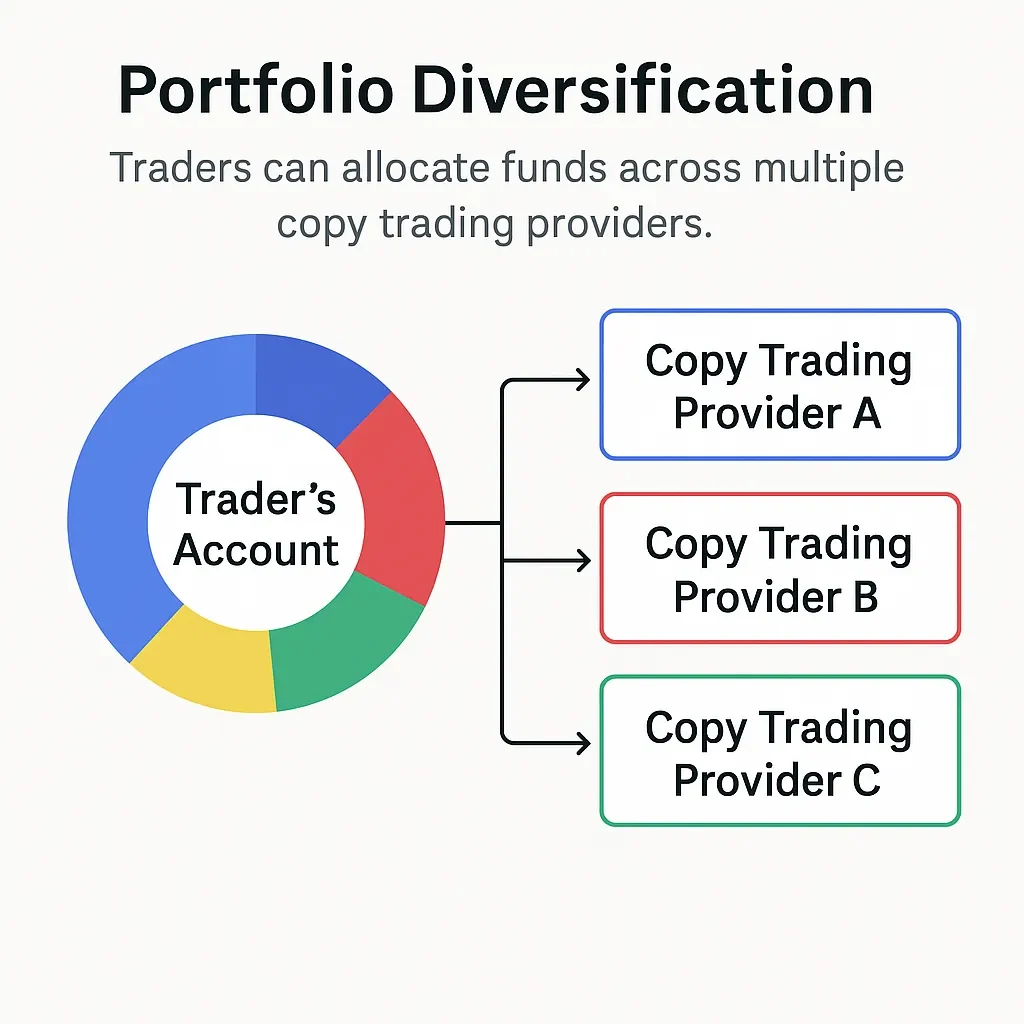
Copy Trading dey allow you distribute capital across multiple providers wey get different strategies and asset preferences. Dis diversification fit help reduce risk concentration.
For example, you fit:
- Follow one provider wey dey focus on forex trend following
- Choose anoda provider wey dey trade Commodities
- Allocate part of your capital to provider wey specialise in short-term index strategies
Jason Miller, Multi-asset Portfolio Manager, tok say:
“Diversification dey work best wen your providers dey use strategies wey really different, no be slightly modified versions of di same approach.”
Dis mix fit help reduce how much you depend on one Market or strategy, but e no dey eliminate overall trading risk.
How trading strategies dey differ on Deriv cTrader?
Deriv cTrader get different strategy providers wey dey use different trading approaches, including:
- Trend-following strategies
- Countertrend systems
- Volatility-based entries
- Multi-asset diversification approaches
- Swing trading and medium-term positioning
Di platform dey show detailed metrics for each provider, wey dey help users compare strategies based on profitability, risk tolerance, and Market behaviour.
How dis comparison for traders dey explain Copy Trading?
Copy Trading dey work like wen you subscribe to research analyst wey no just dey explain Market moves, but dey also execute trades for you. You still dey choose how much to allocate and wen to stop, but you dey rely on di analyst structured approach to guide your exposure. Dis comparison dey help you understand am, but e no replace technical explanations.
Which tips fit help new copy traders?
- Start wit demo account before you commit real funds.
- Allocate smaller funds at first.
- Diversify across several providers.
- Review performance regularly.
- Set risk limits wey match di level wey you dey comfortable wit.
- No rely only on past performance.
Deriv Trading Education Lead, Sarah Tan, add say:
“New traders suppose treat dia first month of Copy Trading as research, instead of focusing on profit. Di goal na to understand behaviour, no be to maximise returns.”
Copy Trading dey right for you?
Copy Trading fit suit traders wey want structured way to gain exposure to different trading approaches. E still require awareness, ongoing evaluation, and risk management.
Wit disciplined approach, Copy Trading fit support skill development and give you exposure to wide range of Market strategies.
Wen you suppose avoid Copy Trading?
Even though Copy Trading fit dey useful, e fit no suit every trader or every situation. Traders wey get very low risk tolerance fit find di drawdowns uncomfortable, even wen dem dey follow conservative strategy providers. For di same way, traders wey prefer full control over trade entry, exit, and position sizing fit feel say automated execution dey limit dem.
Copy Trading fit also dey less effective during unusual Market conditions, like periods of extreme volatility or low liquidity, wen historical strategies dey struggle to adapt. For dis kind situation, to monitor performance closely or pause copying completely fit be sensible risk-management decision.
To understand wen you suppose no copy dey just as important as to know how to start. If you treat Copy Trading as one tool within broader trading approach, e fit help you maintain realistic expectations and support long-term decision-making.
Quiz
Wetin be anoda name for Copy Trading?
FAQs