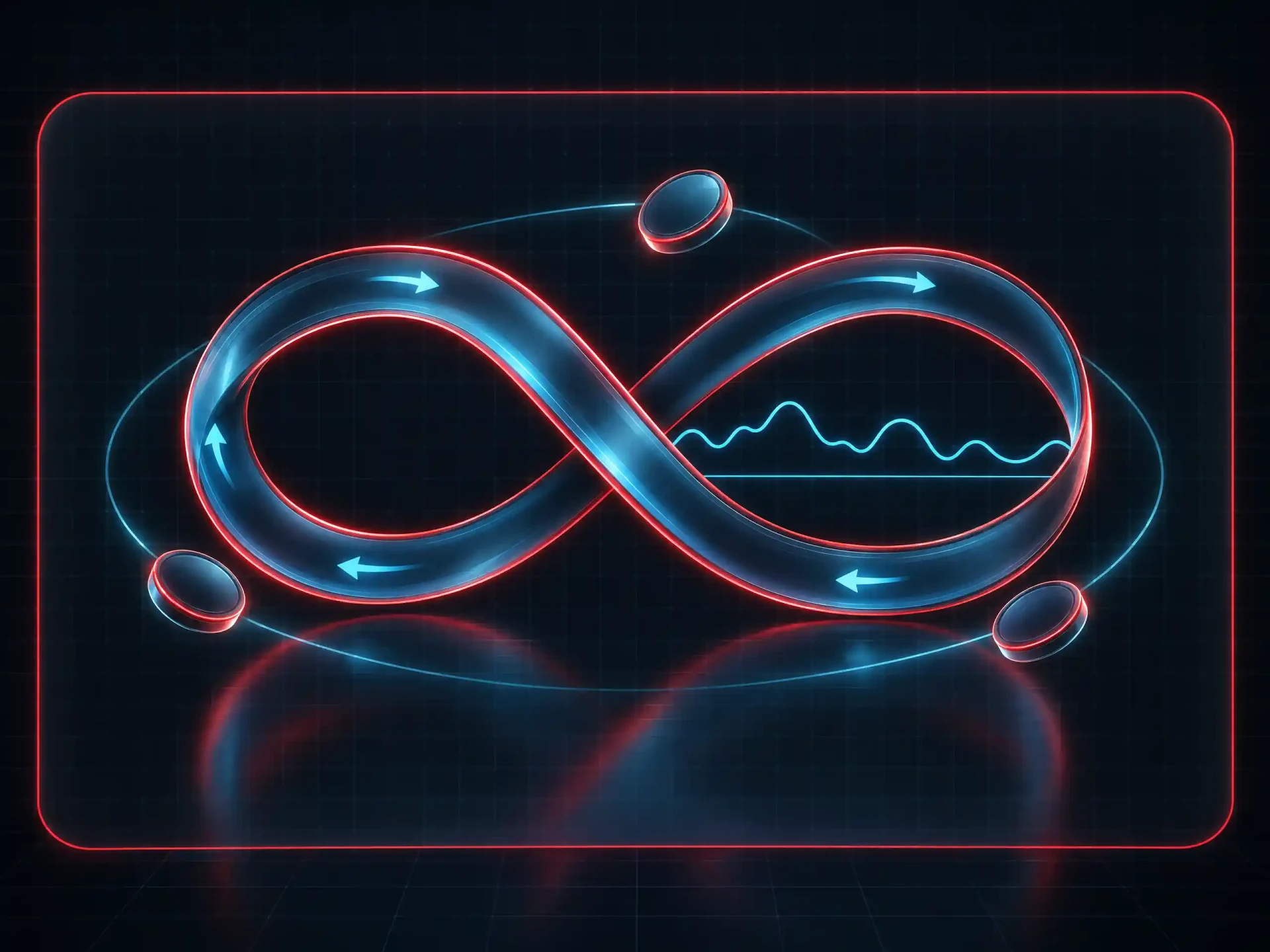
Perpetual futures na crypto contracts wey no get end date. You dey trade di price of a coin wit leverage, and di coin no ever belong to you.
Short summary
- Futures contract na agreement wey dey based on di price of a coin. You no dey receive di coin.
- Perpetual contract no get end date. You fit leave am open until you close am, or until di platform close am for you.
- Long position dey aim to make gain if di price rise. Short position dey aim to make gain if di price fall. You go lose if di price move di oda way.
- Funding na payment between traders. E dey help keep di contract price close to di real price of di coin.
- Perpetual futures dey use leverage and carry high risk of losing money. You no need dem to trade crypto.
Wetin be futures contract?
Futures contract na agreement wey dey based on di price of a coin.
You no dey receive di coin. Your result dey depend on how di price move between wen you open and wen you close your trade.
Position na trade wey you leave open.
For spot trading, you dey buy di coin and e dey belong to you. Wit futures, na contract you dey hold instead.
Learn more for our guide about spot vs futures vs CFDs.
Wetin “perpetual” mean?
“Perpetual” mean say di contract no get end date.
Standard futures contracts dey expire on a set date, and di trade dey end den. Perpetual contract no dey expire.
Without end date, di contract price fit move away from di real price of di coin. Platforms dey use funding payments to correct dis. You go learn more about dem below.
Wetin be margin and leverage?
Leverage dey let you open position wey big pass di money wey you put down. Dem dey show am as number, like 5x.
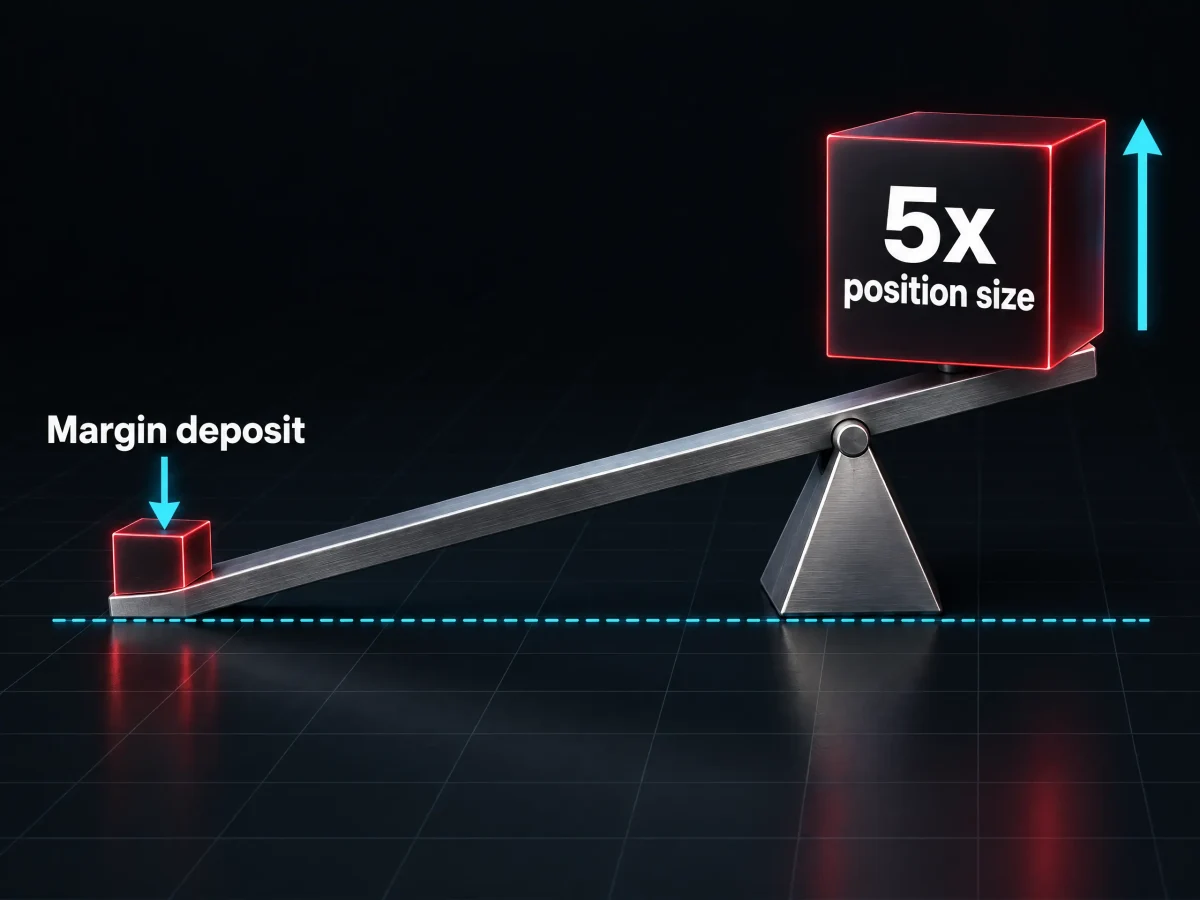
Margin na di money wey you put down to open di position. You fit think of am as deposit. E also dey serve as cushion for your losses.
Position size = margin × leverage
Example: If you put down 100 USDT as margin at 5x, you go get position of 500 USDT.
Many crypto perpetual contracts dey use USDT as margin. Dat mean say you dey put down USDT, and dem dey calculate your gains and losses in USDT.
Leverage dey multiply your gains and your losses by di same amount. If your margin drop too low, di platform go close your position automatically. Dem dey call dis liquidation.
Learn more for our guide about leverage and margin.
Long and short positions
You fit open position for two directions:
- Long: e dey aim to make gain if di price rise. You go lose if di price fall.
- Short: e dey aim to make gain if di price fall. You go lose if di price rise.
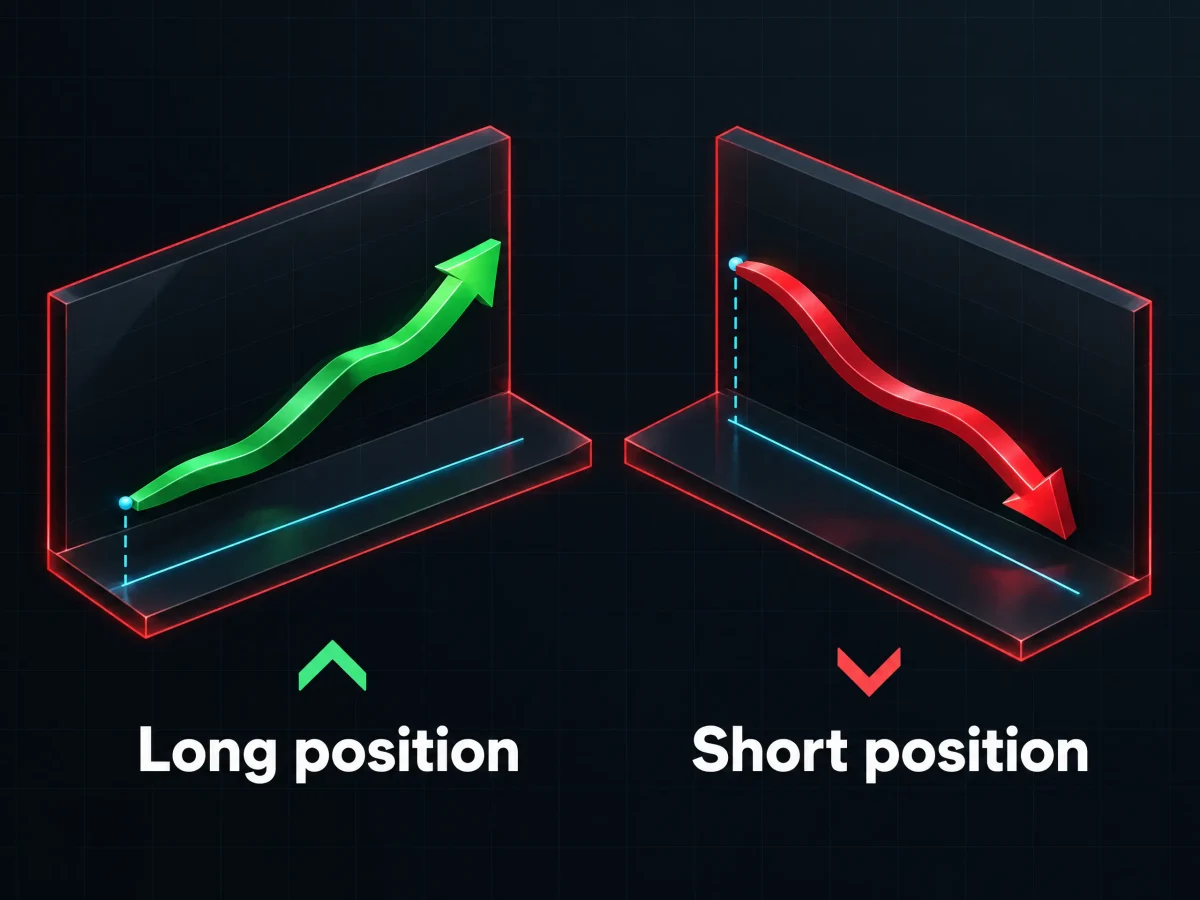
You fit open short position without owning di coin. Short position no be safer way to trade, because you fit lose for either direction.
Why funding dey?
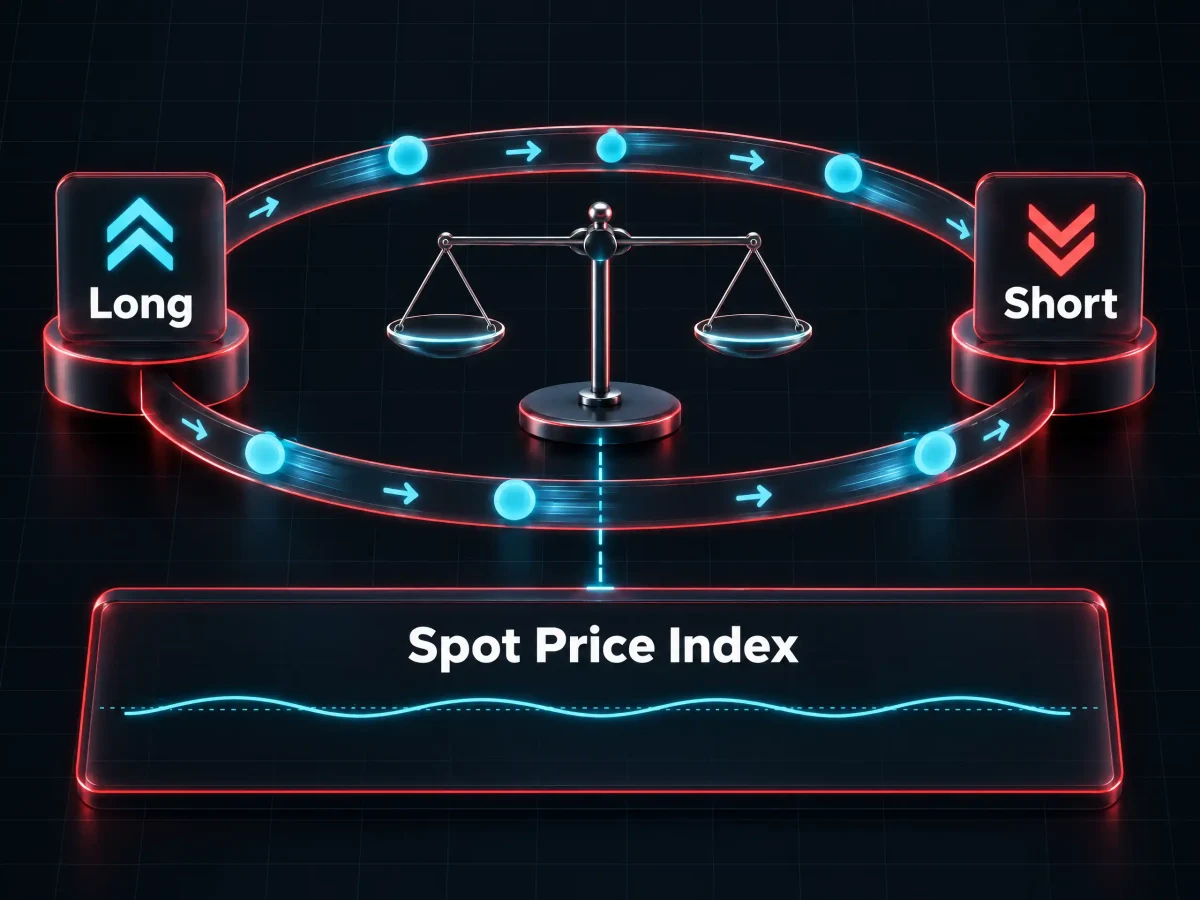
Perpetual contracts no get end date. Funding payments dey keep dia price close to di real price of di coin.
- Funding payment dey go from one trader to anoda. E no be trading fee.
- Wen di rate dey positive, traders wit long positions usually dey pay traders wit short positions.
- Wen di rate dey negative, traders wit short positions usually dey pay traders wit long positions.
- Payments dey happen at set times, like every few hours.
If you hold position for long time, funding fit add up. E fit be cost or small credit.
Wetin fit go wrong?
- Fast losses. Small price movement fit use up large part of your margin.
- Forced closing. Your position fit go through liquidation at time wey you neva choose, even if di price recover later.
- Price wey worse pass wetin you expect. For fast market, your trade fit close at price wey worse pass di one wey you see. Dem dey call dis slippage.
- Costs wey dey build up. Fees and funding fit add up while you hold your position.
- Too much confidence. Few good trades fit tempt you to use higher leverage, and dat fit make your next loss bigger.
- Adding money to trade wey dey lose. Dis dey put more of your money at risk on di same idea.
- Not watching enough. Crypto dey trade day and night. Your position fit change while you dey sleep.
Questions wey you fit ask yourself first
Dis guide no fit tell you whether perpetual futures dey right for you. Dis questions fit help:
- I fit explain leverage, margin, liquidation and funding in my own words?
- I know di price wey dem go close my position at? I fit find am on screen?
- If I lose all my margin, e go affect my finances badly?
- I know wetin I go pay in fees and funding if I hold dis position for one week?
- I get plan for wen I no fit watch di position?
- I dey trade because I get plan, or because I want recover loss?
If you answer “no” or “I no sure” to any of dis questions, continue to learn or stick wit spot trading for now.
You no need futures to trade crypto. Dem also fit no dey available for your kontri, so check availability first.
Risk reminder
Perpetual futures dey use leverage and carry high risk of losing money.
Losses fit be bigger and faster than you expect. Your position fit also close automatically through liquidation.
Fees and funding fit reduce your result, even if di price no move. Trade only wit money wey you fit afford to lose.
Dis article na for education only and e no be financial advice.
Quiz
Wetin “perpetual” mean for perpetual futures?
You open 5x short position wit 100 USDT as margin. How much be di position size?
Which side dey usually pay di oda side wen funding rate dey positive?
Trader get long position of 1,000 USDT, wit funding rate wey dem assume say na 0.01% evri 8 hours. How much be di funding cost per day?
FAQs


