Trading fit bring different emotions, and dat na normal. Trading fit make your emotions go up and down. Di excitement of a big win, di frustration of a loss, and di urge to pursue di next opportunity na all part of trading. But experienced traders know say emotions fit be your biggest enemy.
To stay calm and think clearly no be just something wey good to have. E dey essential for long-term success. If you allow emotions take over, you fit make impulsive decisions, take bigger risks and, unfortunately, suffer bigger losses. So, make we talk about why controlling your emotions fit make a big difference and how you fit do am.
Stop overtrading before e start
You don ever feel di urge to continue trading, even wen you know say you suppose step back? Dat na overtrading. E dey happen wen traders make too many trades or put too much money into one position. Emotions dey almost always drive am, whether na because dem dey try recover from a loss or dem dey carried away by a series of wins.
Market conditions fit also mislead you. Wen prices start to move fast, you fit feel di urge to enter a trade just to follow di momentum. But without a clear plan, you fit end up making quick decisions wey go take you away from your plan and expose you to unnecessary risks.
How you fit prevent overtrading? Stay disciplined
- Follow your trading plan. A solid plan dey help you stay focused and make considered decisions.
- Diversify your portfolio. Spread your capital across different assets instead of putting everything for one place.
- Control your capital. Trade only di amount wey you fit afford to lose, no be di amount wey you hope to win.
Keep your risk exposure under control
Risk na part of trading. You no fit escape am. But emotions fit push you to take far more risk than you suppose.
Take a bullish market as example. Prices dey climb, and traders begin worry say dem fit miss out. Di fear of missing out (FOMO) fit make pipo enter trades without thinking things through. Den greed fit take over; dem go hold positions for too long, hoping for even bigger profits. But as we all know, di market no dey always move di way we want, and those profits fit disappear as quickly as dem come.
How you fit manage risk and avoid FOMO? Define your trading style
- Get a clear strategy. E dey help you stay focused and stop you from making impulsive decisions.
- Plan ahead. Know exactly wen you go enter and exit trades, before emotions enter di matter.
- Stay flexible. Markets dey change all di time. To follow a plan na good thing, but to follow trends without thinking no be good idea.
Prevent revenge trading
Make we talk about revenge trading. Na dat moment wen you suffer a big loss and immediately enter anoda trade, hoping to recover your money. E dey understandable, but e rarely end well.
Instead of reviewing dia approach, revenge traders dey enter anoda trade immediately without a proper plan. And because na emotion dey drive dem, no be strategy, dem dey often make trades wey carry even more risk. More risk dey lead to more losses, more frustration and, as you fit expect, more revenge trading. Na cycle wey hard to break.
How you fit avoid revenge trading? Use risk management tools
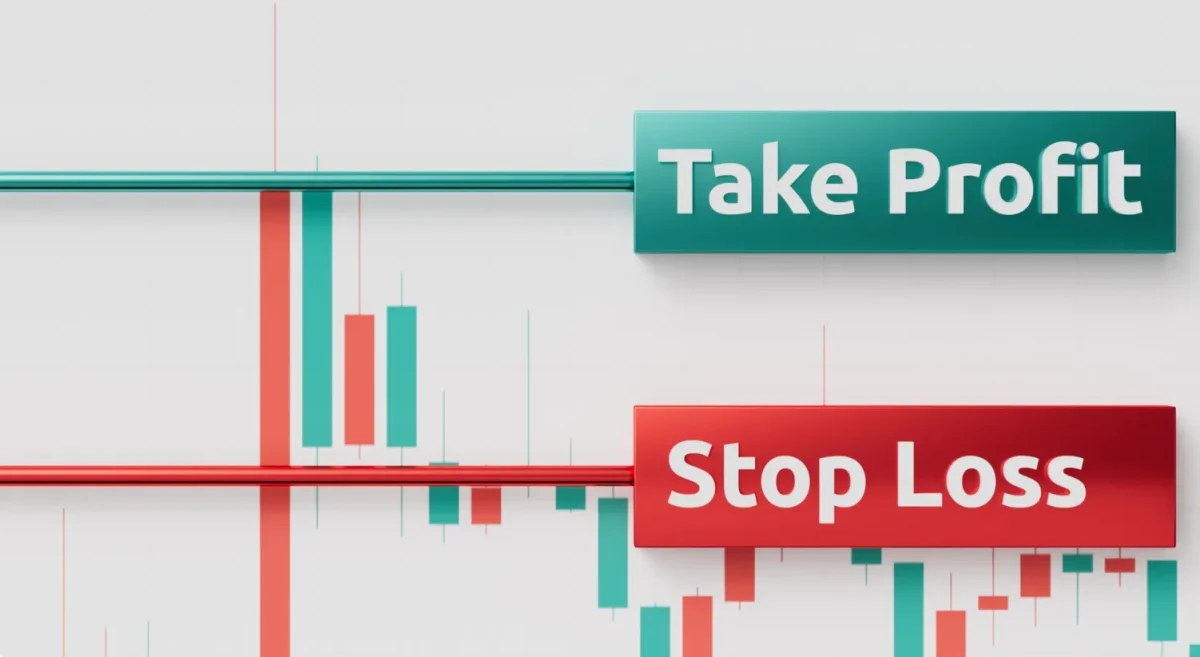
- Set a Stop Loss. Dis go automatically close your position if di market move against you, and protect you from bigger losses.
- Keep a trading journal. Wen you track your wins and losses, e dey help you learn from experience and improve your strategy.
Strengthen your trading mindset today
To master trading psychology dey just as important as analysing charts or following market trends. If you fit manage your emotions, follow your strategy and use risk management tools wisely, you go dey for a much better position to achieve long-term success.
So why you no start today? Practise smarter trading wit a demo account, or explore our free courses for Deriv Academy to improve your skills.
Log in to Deriv Academy wit di email and password for your existing Deriv account to get started.
Quiz
Wetin be di best way to avoid revenge trading?
FAQs