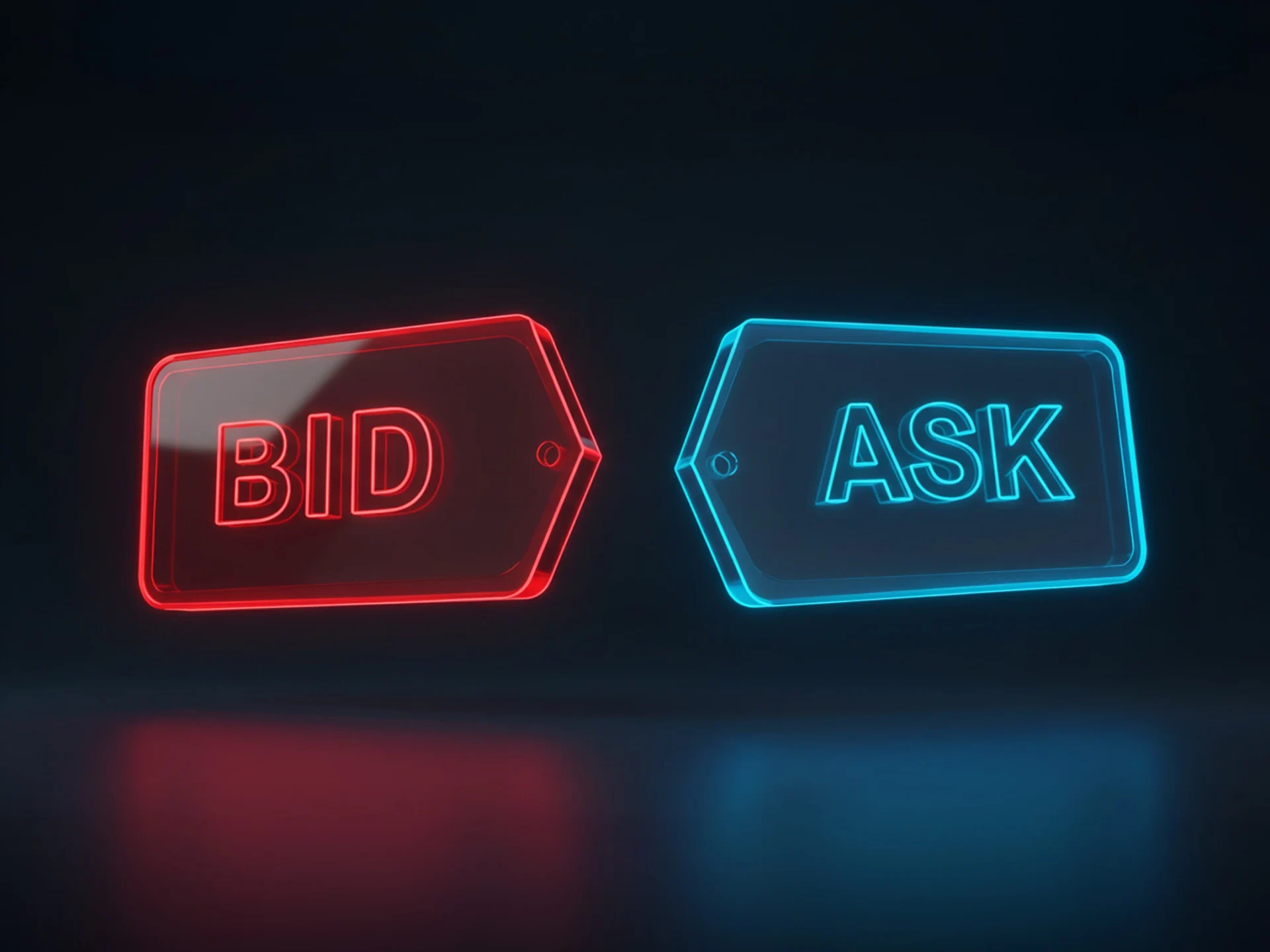
If you dey start forex trading, you go hear di word “spread” often. But no worry, e no complicated as e sound! You fit see spreads as di small but important difference between prices wey dey affect your trading costs and profits. Make we explain am for way wey go make sense.
Wetin be forex spreads?
Forex spread na simply di difference between two prices:
- Bid price: Di price wey you fit use sell currency pair.
- Ask price: Di price wey you fit use buy currency pair.
Example: If dem quote EUR/USD at 1.0850/1.0852, di spread na 0.0002 or 2 pips. Dat mean say di price need to move at least 2 pips for your favour before you break even. E be like wen you dey exchange currency for airport; small difference between prices dey always.
Types of forex spreads
| Spread type | Description |
|---|---|
| Fixed Spreads | Dem dey stay di same no matter di market conditions. Di costs dey easier to predict, and dem good for beginners. Dem usually dey wider than variable spreads or come wit extra Commission fees. |
| Variable Spreads | Dem dey change depending on market activity. Dem dey tighter during active trading hours but dem fit widen for volatile conditions. Dem dey more common wit larger brokers. |
Forex spreads for Deriv accounts
For Deriv, different account types come wit different spread structures. See brief explanation:
| Account type | Features |
|---|---|
| Standard Account | Balanced variable spreads wey good for general trading. |
| Financial Account | E dey focus on financial instruments wit tighter spreads. |
| Swap-Free Account | No overnight swap fees, but spreads dey slightly wider. |
| Zero Spread Account | No spread costs, but Commission dey for each lot wey you trade. |
Wetin dey affect forex spreads?
Spreads no dey fixed forever. Dem dey change based on some important factors:
| Factor | How e dey affect spreads |
|---|---|
| Market hours | Spreads dey tightest wen major trading sessions (London/New York) overlap, and dem dey widen during quieter times (like di Asian session). |
| Currency pairs | Major pairs (EUR/USD, GBP/USD) get lower spreads, while exotic pairs (USD/TRY, EUR/ZAR) usually get higher spreads. |
| Market events | News releases, central bank announcements, and political events fit cause spreads to widen sharply. |
Wetin be slippage?
Slippage dey happen wen dem execute your order at price wey different from wetin you expect, usually because of market volatility.
How you fit reduce slippage:
- Trade during peak hours for better liquidity.
- Use limit orders instead of market orders.
- Avoid trading just before or after major news events.
- Stick to major currency pairs wey get high liquidity.
Practical trading tips
Wen you dey choose account or plan trades, consider:
- Your trading style (scalping, day trading, swing trading).
- Di currency pairs wey you prefer.
- Trading hours.
- Di level of risk wey you fit accept.
- Whether you prefer fixed or variable spreads.
You wan know how spreads dey affect your results? Open free Deriv demo account and practise without risk.
Log in to Deriv Academy wit your Deriv account email and password to start learning today.
Quiz
If you dey trade during one major Market announcement, wetin fit happen to Spreads?
FAQs