
You don ever wonder how dem dey create cryptocurrencies like Bitcoin or Ethereum? No magic dey behind am, na powerful computers, cryptographic puzzles, and thousands of independent miners wey dey compete to verify transactions. Dis process, wey dem dey call cryptocurrency mining, dey bring new digital coins into existence and dey keep di blockchain
Pipo dey often connect crypto mining wit di idea of “digital gold”, mainly because Bitcoin get fixed and limited supply. Dis scarcity wey dey built into am dey similar to how gold dey get im value, and e dey make Bitcoin attractive to pipo wey see am as possible hedge against inflation. Even though di mining process dey require effort and resources, na di supply cap wey dem don set beforehand dey mainly drive dat comparison.
Short summary
- Crypto mining dey validate transactions and protect blockchain networks.
- Miners dey use computing power to solve complex cryptographic puzzles.
- Di first miner wey solve di puzzle dey earn new coins as reward.
- Decentralisation dey ensure transparency and remove di need for central authorities.
- Mining dey play important role for maintaining di integrity and operation of cryptocurrencies.
Wetin be crypto mining, and how e dey drive cryptocurrency creation?
Cryptocurrency mining na di process of verifying transactions and adding dem to di blockchain: a decentralised public ledger wey dey record evri crypto transaction. Instead of relying on banks or central servers, mining dey distribute dis verification process across thousands of computers around di world.
Miners dey act as digital auditors. Dem dey confirm say each transaction valid, and prevent double-spending, wey be wen pesin try to spend di same coin twice. Once dem verify di transactions, dem dey group dem into a block and permanently add dem to di blockchain. In return, miners dey earn rewards in di form of new coins and transaction fees.
Di main subject here na cryptocurrency mining. E dey support networks like Bitcoin by maintaining security, verifying transactions, and adding new blocks to di chain. Ethereum bin dey use mining before, but e transition to a proof-of-stake model in 2022, meaning say validators now dey secure im network instead of miners.
Arshad Munir, Deriv Crypto Team Leader, explain further:
“Mining na di invisible engine of crypto. Evri transaction wey traders make dey rely on miners to validate and secure dose records in real time.”
How di Bitcoin mining process how to trade Bitcoin dey work under Proof of Work, instead of Proof of Stake?
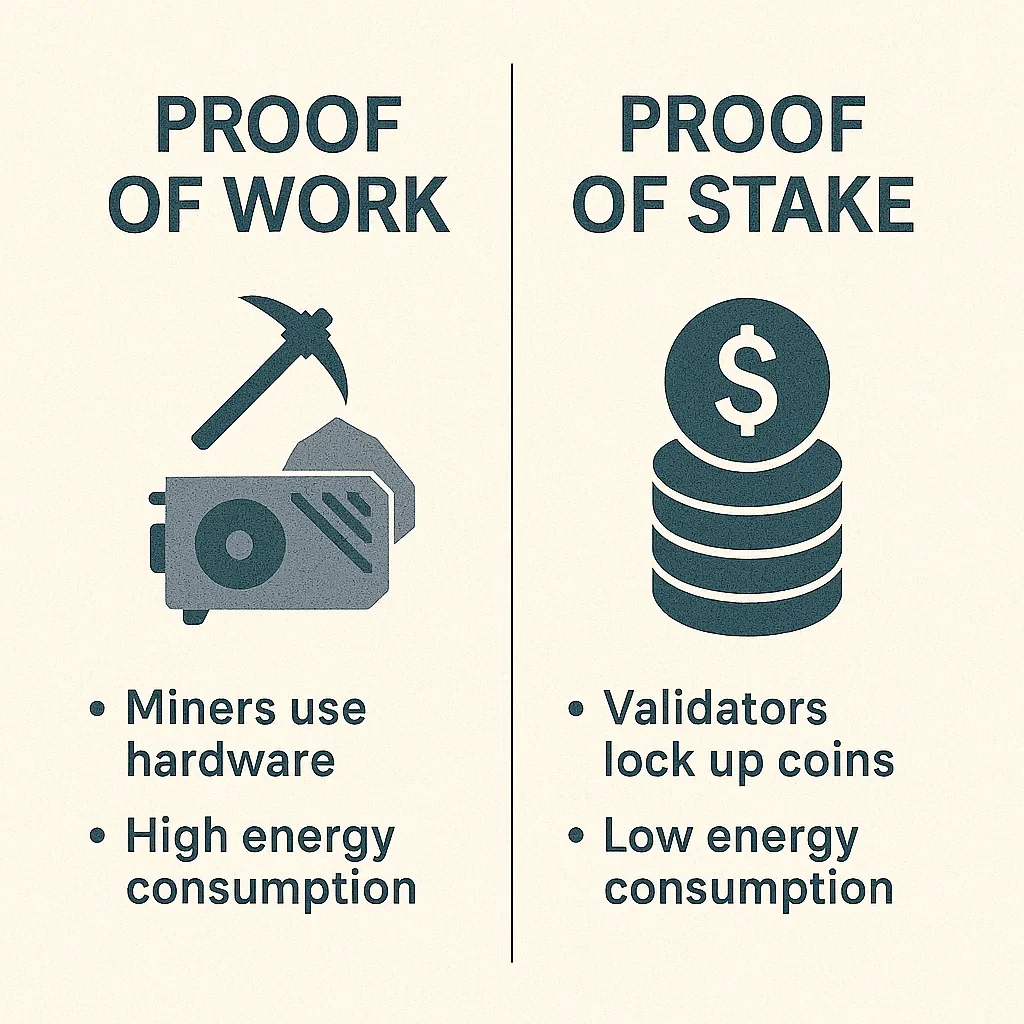
Think of mining as a massive global competition to solve mathematical puzzles. Miners dey use specialised hardware like units wey dey process graphics (GPUs) or integrated circuits wey dem design for specific applications (ASICs) to find a unique cryptographic solution wey dem dey call hash. Each hash dey represent a verified block of transactions.
Di process dey rely on di proof-of-work (PoW) consensus mechanism. Wen a miner solve di puzzle, dem dey add a new block to di chain and earn newly created crypto as reward. Because each block dey link to di one before am, any attempt to change past records go make di entire chain invalid. Dis structure dey ensure security through transparency and mathematical certainty.
Aleksandr Antonkin, Manager of Specialised Dealer at Deriv, explain:
“Proof of stake don change di narrative. E dey show say di crypto world fit evolve without giving up di principles of transparency and decentralisation.”
For di proof-of-work system, di mining difficulty dey adjust automatically according to di number of miners wey dey compete to solve puzzles. Dis mechanism dey keep block creation times consistent, and maintain stability and fairness across di network. E dey ensure say as technology dey advance, di speed of coin generation dey remain predictable and transparent.
On di oda hand, proof-of-stake (PoS) dey use validators wey lock dia coins as collateral. PoS dey reduce energy consumption by replacing computational work wit a financial stake, and dis dey make am more sustainable. Ethereum transition to PoS in 2022 na one of di most significant changes for crypto history, and e prove say security and energy efficiency fit exist together.
Wetin be di difference between centralised and decentralised blockchain systems blockchain technology?
No be all cryptocurrencies dey follow di same governance model. Some dey decentralised, while a central authority dey control others.
| Type of cryptocurrency | Who dey in charge? | Examples |
|---|---|---|
| Decentralised | No single authority dey in charge—miners and nodes dey control am | Bitcoin, Ethereum |
| Centralised | A company or govment dey manage am | CBDCs, USDT |
Decentralised cryptocurrencies dey operate on a peer-to-peer basis. No single entity dey control dem, and dis dey make dem transparent and resistant to censorship. On di oda hand, centralised digital currencies, like central bank digital currencies (CBDCs) or stablecoins, get backing from traditional institutions. Dem dey provide price stability, but often at di cost of independence.
In 2025, di tension between centralisation and decentralisation dey continue to shape di crypto landscape. CBDCs dey aim for efficiency and control, while decentralised cryptocurrencies dey represent privacy, freedom, and open access.
Why crypto mining dey important for blockchain security and energy efficiency?
Crypto mining na more than just a way to earn coins. Na wetin dey keep blockchain networks active and secure. Na why mining dey essential be dis:
- Transaction verification. E dey confirm say each transaction legitimate and prevent fraud.
- Network security. Decentralisation dey ensure say no single participant fit control di system.
- Coin supply. E dey introduce a new cryptocurrency into circulation.
- Consensus mechanism. E dey make agreement on transaction history possible across di network.
- Incentives. E dey reward miners for maintaining network integrity.
History don show say mining dey contribute to blockchain security, but how effective e be depend well well on di size of di network and how e spread. Smaller proof-of-work blockchains don experience successful 51% attacks, wia attackers gain majority control and temporarily change transaction history. Dese incidents show not only how broad, decentralised mining participation dey important, but also di limitations of mining as a standalone defence mechanism.
Mohanad Zarzour, Deriv Crypto Tech Lead, add say:
“Mining no be only about earning rewards. Na about maintaining a system of digital trust wey evri trader and investor depend on.”
According to Investopedia, crypto mining dey support blockchain reliability by providing transparency and preventing tampering. Di International Monetary Fund (IMF) highlight say as digital currencies dey expand, how pipo achieve di right balance between decentralisation, efficiency and regulation go determine di future of money.
How energy-efficient mining dey change di future of sustainable crypto?
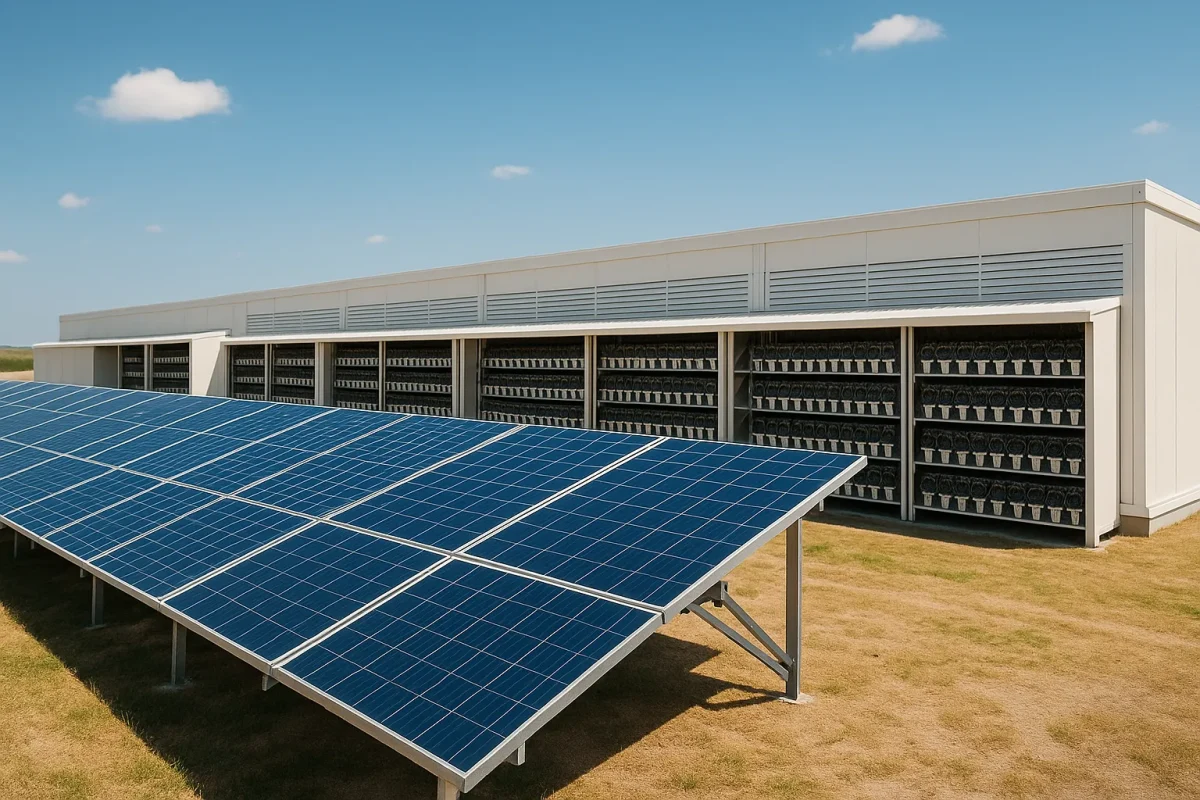
For a long time, di biggest criticism of mining na di energy wey e dey consume. Proof-of-work mining need vast amounts of computing power, and dis dey result in high electricity consumption and environmental concerns. But innovation dey change di field.
Many mining farms now dey use renewable energy sources like hydroelectric, wind or solar power. Others dey adopt hybrid systems wey combine renewable energy wit traditional grids to maintain efficiency. Proof of stake and similar alternatives dey further reduce energy use by replacing physical computation wit economic validation.
By 2025, green mining initiatives and di adoption of sustainable technology don become central to how di industry dey evolve. Di future of mining go depend on how efficiently e fit balance profitability, decentralisation and environmental responsibility.
Several mining companies now dey participate in carbon offset programmes or dey collaborate wit renewable energy providers. Dese initiatives aim to neutralise emissions while dem dey promote transparency in energy reporting. International efforts, like di Crypto Climate Accord, also dey push di industry towards a future of zero-carbon mining.
How mining technology don evolve to support di decentralised blockchain economy?
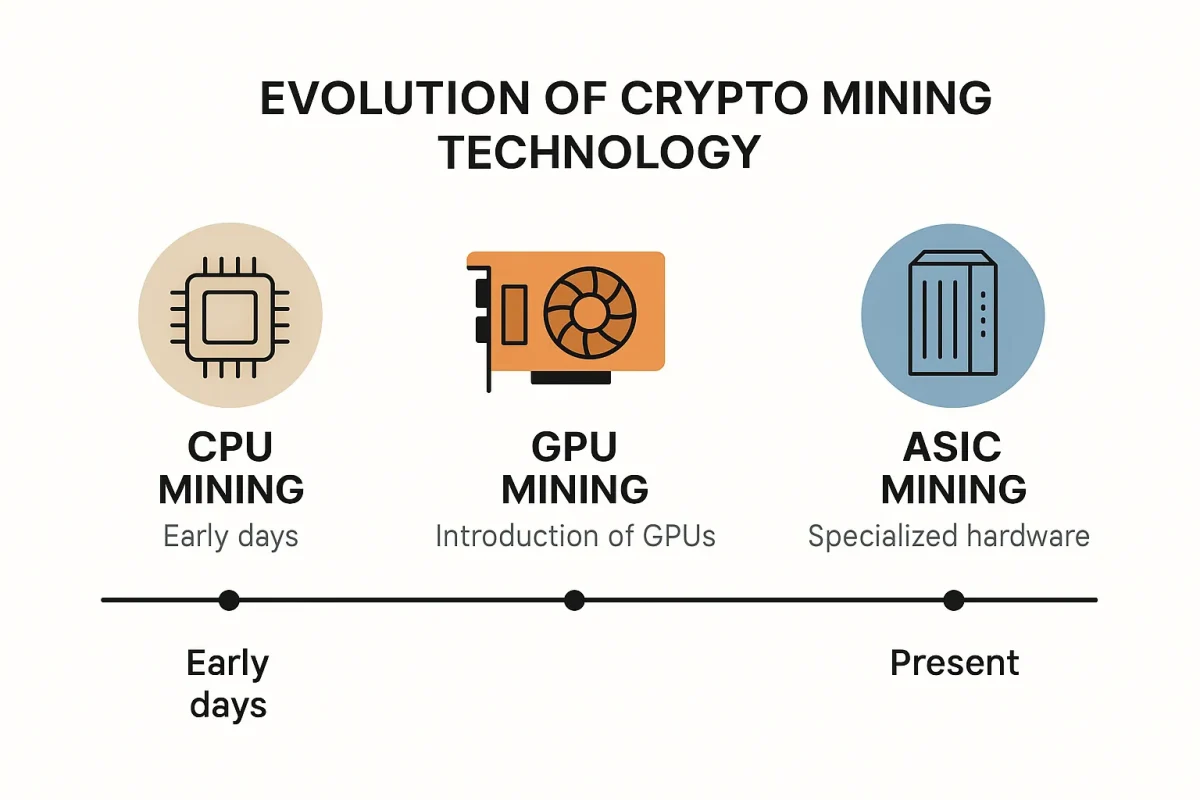
For di early days of Bitcoin, anybody fit mine coins wit a simple desktop computer. As networks grow, mining become more competitive and begin require advanced hardware. GPU and ASIC mining now dominate, creating a professionalised industry wey spread across continents.
Miners today dey operate large-scale facilities wey dem optimise for speed and cooling efficiency. But cloud mining and decentralised mining pools don make am easier for pipo to enter, allowing smaller participants to contribute. Di rise of AI-powered optimisation tools also dey help miners reduce energy waste and predict profitability.
Mining don evolve significantly, from hobbyist experiments to industrial-scale operations, and e dey continue to advance alongside blockchain technology.
Wetin be di main tins to take away about crypto mining?
Mining digital gold, or cryptocurrency, na di engine wey dey drive decentralised networks. E dey combine technology, mathematics and human collaboration to create a transparent and secure financial system. As innovation dey continue, pipo expect crypto mining to remain a core component of how dem dey create digital assets, although technological shifts and regulatory developments fit influence di direction wey e go take for di future.
As artificial intelligence dey become integrated wit blockchain operations, miners fit soon predict energy needs and optimise processes in real time. Quantum computing fit one day change how dem dey solve cryptographic puzzles, leading to new layers of security and innovation. How crypto mining dey evolve reflect how humanity dey strive to balance technology, sustainability and trust.
You ready to trade crypto?
You wan explore di Market side of cryptocurrency? You fit learn how to trade crypto on Deriv and practise analysing price movements without owning di underlying coins.
CFDs on crypto price movements and multipliers on Deriv MT5 and Deriv Trader offer different ways for you to engage wit di Market, depending on your trading preferences and risk tolerance.
Demo account dey available if you wan become familiar wit trading tools or practise decision-making for a simulated environment. Demo trading no dey reflect real trading risk, and trading wit real funds always carry di possibility of financial loss.
For deeper insight, di Deriv MT5 platform dey provide advanced tools and analytics wey dem design to support better-informed trading decisions.
Quiz
Wetin be di main work of crypto miner?
FAQs


