
Bitcoin enters the banking system as macro forces lift crypto
.png)
Bitcoin’s latest move higher is being driven by macro forces, not crypto-native hype, according to analysts. A softer US inflation print, easing global financial conditions, and a well-telegraphed Bank of Japan rate hike have combined to lift risk assets across the board.
Bitcoin surged above $87,000 during Asia trading, while ether and major altcoins followed, as markets concluded that monetary conditions remain accommodative despite the tightening of headline rates.
What makes this rally different is what sits beneath it. As macro relief lifts prices, Bitcoin is simultaneously being absorbed into the banking system. Nearly 60% of the largest US banks are now preparing to sell, custody, or advise on Bitcoin directly, signalling that crypto’s next phase is not about discovery, but normalisation.
What’s driving the crypto rally?
The immediate catalyst came from central banks, not blockchains. Japan’s central bank raised its policy rate to 0.75%, the highest level in nearly 30 years, pushing 10-year government bond yields briefly to 2% for the first time since 2006.
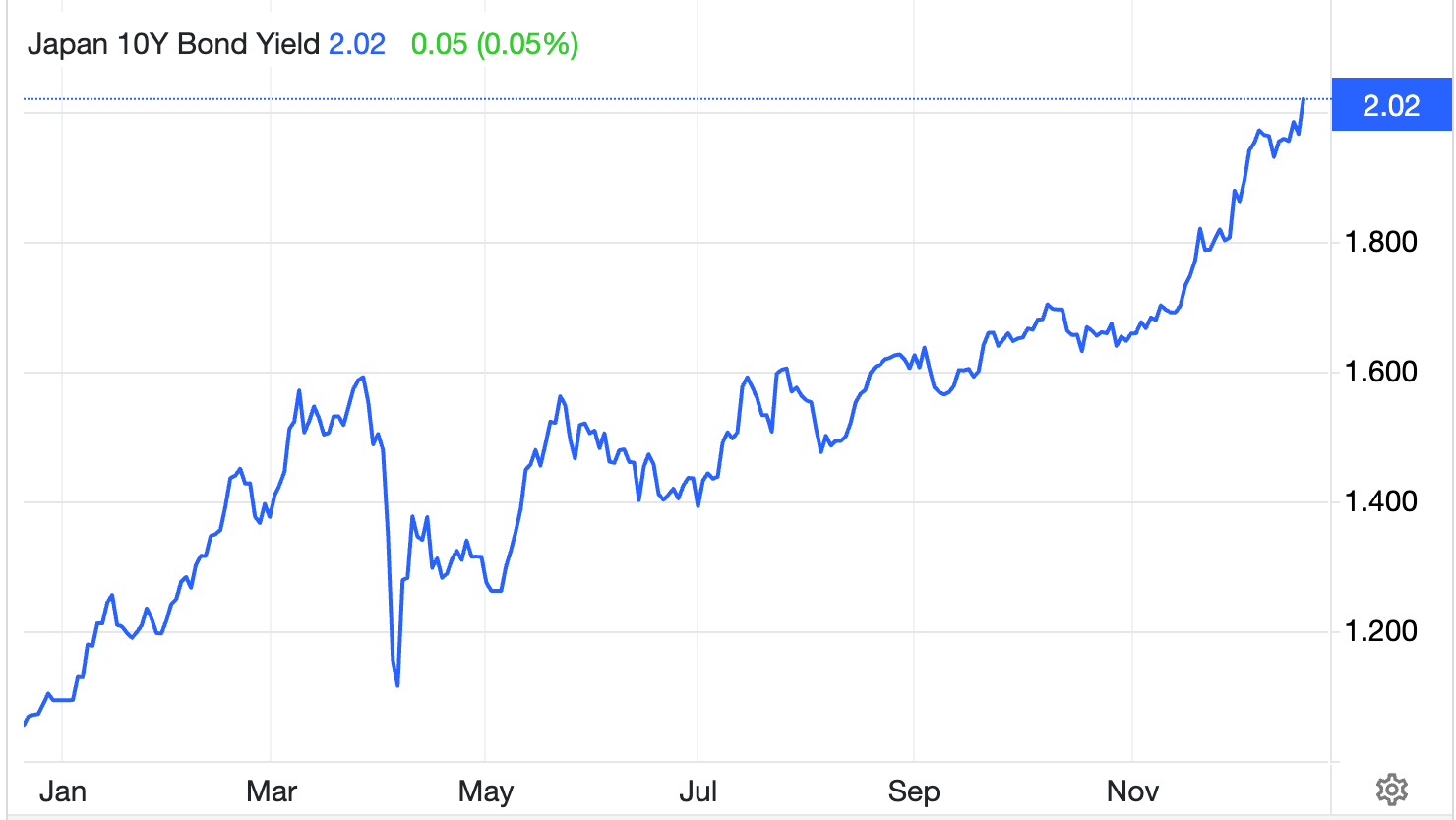
Instead of triggering a risk-off shock, the move was absorbed smoothly. The yen weakened, Asian equities rose, and global markets treated the decision as confirmation that real rates remain negative and liquidity intact.
At the same time, US inflation data surprised to the downside, reviving expectations that the Federal Reserve could begin cutting rates in the coming months.
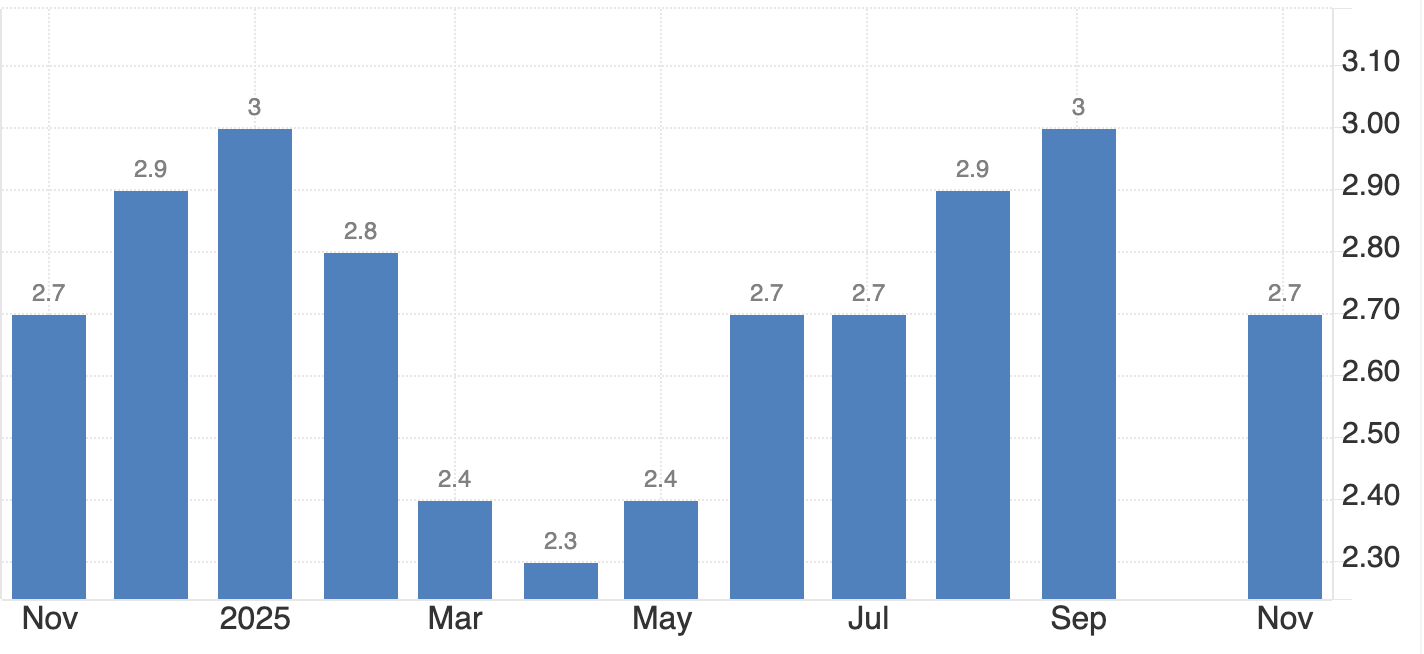
That combination eased financial conditions and restored appetite for risk assets, including crypto. Bitcoin and ether pushed through key technical levels, while broader crypto markets advanced even as leverage-driven liquidations cleared crowded positioning.
This macro-led relief rally is significant because it reframes the role of crypto. Bitcoin is increasingly trading as a global liquidity barometer rather than a standalone speculative asset, responding to the same forces that drive equities, currencies, and credit.
Why Bitcoin is entering the banking system now
While prices react to macro signals, the structural story is unfolding more quietly. For years, US banks treated Bitcoin as something to observe rather than offer. Capital rules, custody concerns, and reputational risk kept crypto outside core banking systems. That posture is now shifting.
According to data from River, nearly 60% of the 25 largest US banks are on a path to offering Bitcoin services, whether through trading, custody, or advisory products.
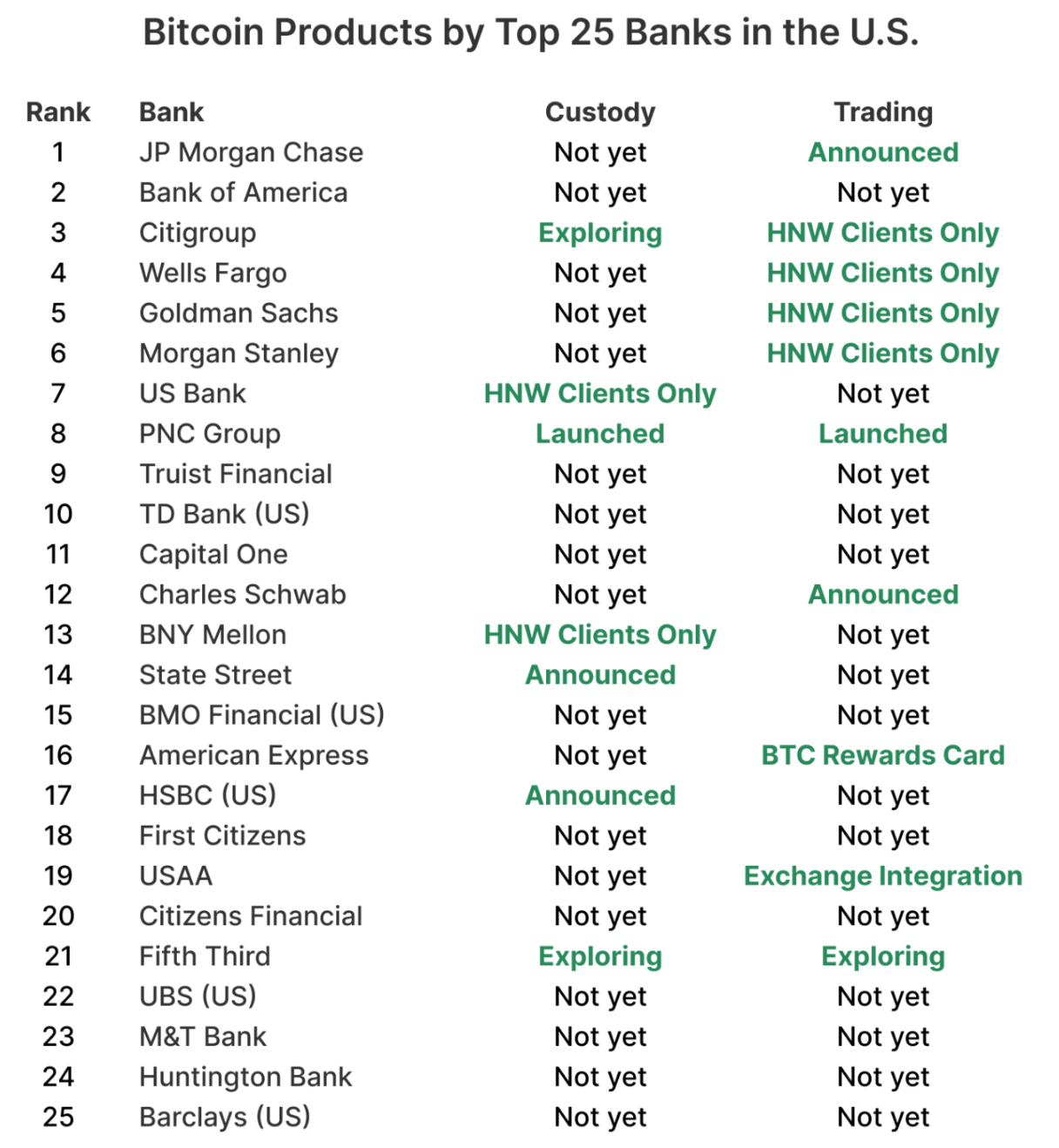
The introduction of Bitcoin ETFs in 2024 marked a turning point. They allowed banks to meet client demand inside familiar regulatory wrappers while outsourcing operational complexity. Crucially, ETF flows moved sharply in both directions without breaking market plumbing, giving risk committees confidence that Bitcoin’s volatility could be managed within existing frameworks.
The next step is direct exposure. Banks are beginning to allow select clients to hold and trade Bitcoin on the same platforms they already use for equities and foreign exchange, transforming crypto from a fringe allocation into a routine line item.
How banks are doing it without owning the risk
Rather than build crypto infrastructure from scratch, banks are adopting white-label models. PNC’s private bank provides a clear example. Instead of launching its own exchange, it uses Coinbase’s Crypto-as-a-Service platform, retaining control of client relationships, compliance, and reporting while outsourcing trading and key management.
This approach has been reinforced by regulatory clarity. Recent guidance from the Office of the Comptroller of the Currency allows national banks to treat crypto trades as riskless principal transactions, buying from a liquidity provider and selling to clients almost simultaneously. That structure reduces balance-sheet exposure and allows Bitcoin desks to sit alongside foreign exchange or fixed-income operations.
The result is cautious but deliberate expansion. Banks are starting with sophisticated clients and tight controls. Charles Schwab and Morgan Stanley are targeting the first half of 2026 for spot Bitcoin and Ethereum trading on self-directed platforms, with allocation caps and conservative eligibility screens expected to limit early access.
What this means for crypto markets
According to analysts, as Bitcoin moves deeper into regulated wealth platforms, market behaviour is beginning to diverge. Bitcoin is increasingly capturing institutional demand, while altcoins remain more sensitive to changes in liquidity and leverage. Recent price action reflects that split. Bitcoin pushed higher on macro relief, while tokens such as XRP struggled to reclaim key levels despite elevated trading volumes, suggesting distribution rather than panic selling.
ETF flows are reinforcing this dynamic. Bitwise estimates that Bitcoin ETFs have already absorbed nearly twice the amount of BTC mined since their launch, and expects ETFs to buy more than 100% of annual new supply across major assets going forward. As institutional ownership broadens, Bitcoin’s volatility is expected to fall, potentially below that of mega-cap technology stocks, as its investor base becomes more stable.
This does not eliminate risk. Most banks rely on a small group of cryptocurrency infrastructure providers, creating operational concentration. A major outage or enforcement action would ripple through multiple institutions at once. Even so, the direction of travel is clear: Bitcoin exposure is becoming institutional by default.
Expert outlook
Arthur Hayes has framed this shift in overtly macro terms, arguing that persistent negative real rates in Japan could drive capital into Bitcoin as a hedge against currency debasement. His projection of a $1 million Bitcoin price is extreme, but it underscores how Bitcoin is now discussed through the lens of global monetary policy rather than technological novelty.
More measured forecasts point to a quieter transformation. Bitwise argues the traditional four-year crypto cycle is fading as ETF flows, regulatory clarity, and institutional adoption overpower halving-driven dynamics. On-chain data from K33 Research suggests long-term Bitcoin holders are nearing the end of a multi-year distribution phase, removing a key source of selling pressure.
The next test will come from liquidity. If macro conditions remain supportive, Bitcoin’s integration into banking systems could stabilise demand. If conditions tighten abruptly, the new plumbing will be subjected to stress testing.
Key takeaway
Bitcoin’s latest rally is being driven by macroeconomic relief, but its foundation remains structural. As central banks ease financial conditions, US banks are embedding Bitcoin into wealth platforms, custody services, and advisory models. This combination is shifting Bitcoin from an exception to a standard financial product. The next phase will be defined less by price targets and more by how smoothly crypto integrates into the machinery of mainstream finance.
Bitcoin technical analysis
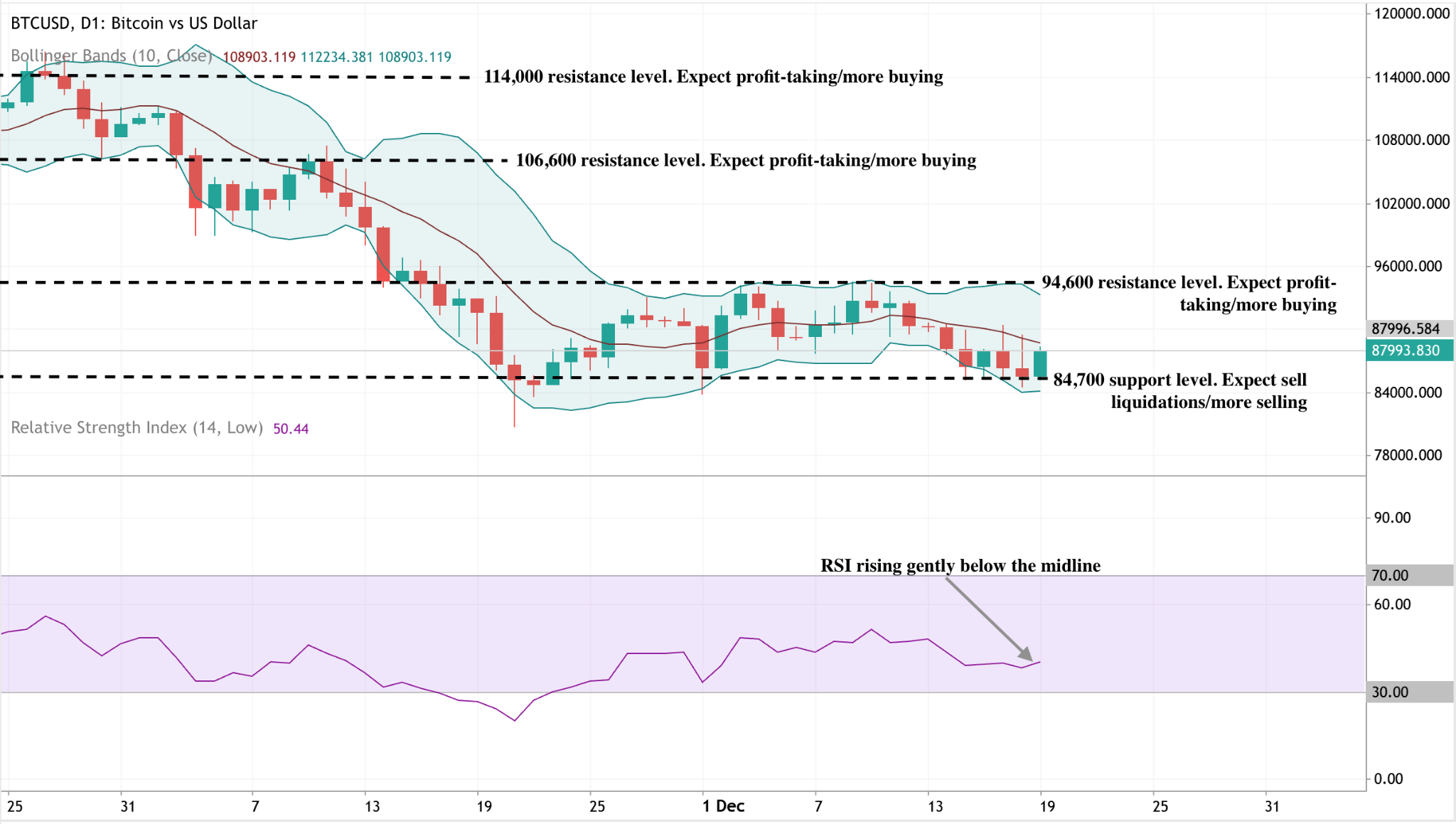
Bitcoin is consolidating close to the lower Bollinger Band, a configuration that reflects persistent downside pressure while also increasing the probability of short-term stabilisation. This type of compression often precedes a volatility expansion, particularly when macro-driven flows remain active. On Deriv MT5, this range-bound behaviour is clearly visible as price action tightens after recent liquidation-driven swings.
Upside attempts continue to stall below the $94,600 zone, which remains a well-defined resistance level where previous rebounds have failed. Until price reclaims that area with volume, recovery moves are likely to be tactical rather than trend-defining. On the downside, $84,700 stands out as a critical support. A decisive break below this level would likely accelerate sell-side liquidations, especially given the elevated leverage still present across crypto derivatives markets.
Momentum indicators remain mixed. The RSI has begun to edge higher but remains below the midpoint, signalling that buyers are probing rather than committing. For traders assessing position sizing and risk around these levels, tools such as the Deriv trading calculator can help quantify margin requirements and potential exposure, particularly in an environment where technical levels and macro headlines are interacting closely.
The performance figures quoted are not a guarantee of future performance.


