Lọ sí àkóónú àkọ́kọ́

Kí ni àwọn kóòdù ààbò, àti ìdí tí ẹ kò fi gbọdọ̀ pín wọn fún ẹnikẹ́ni

5
ìṣẹ́jú kíkà
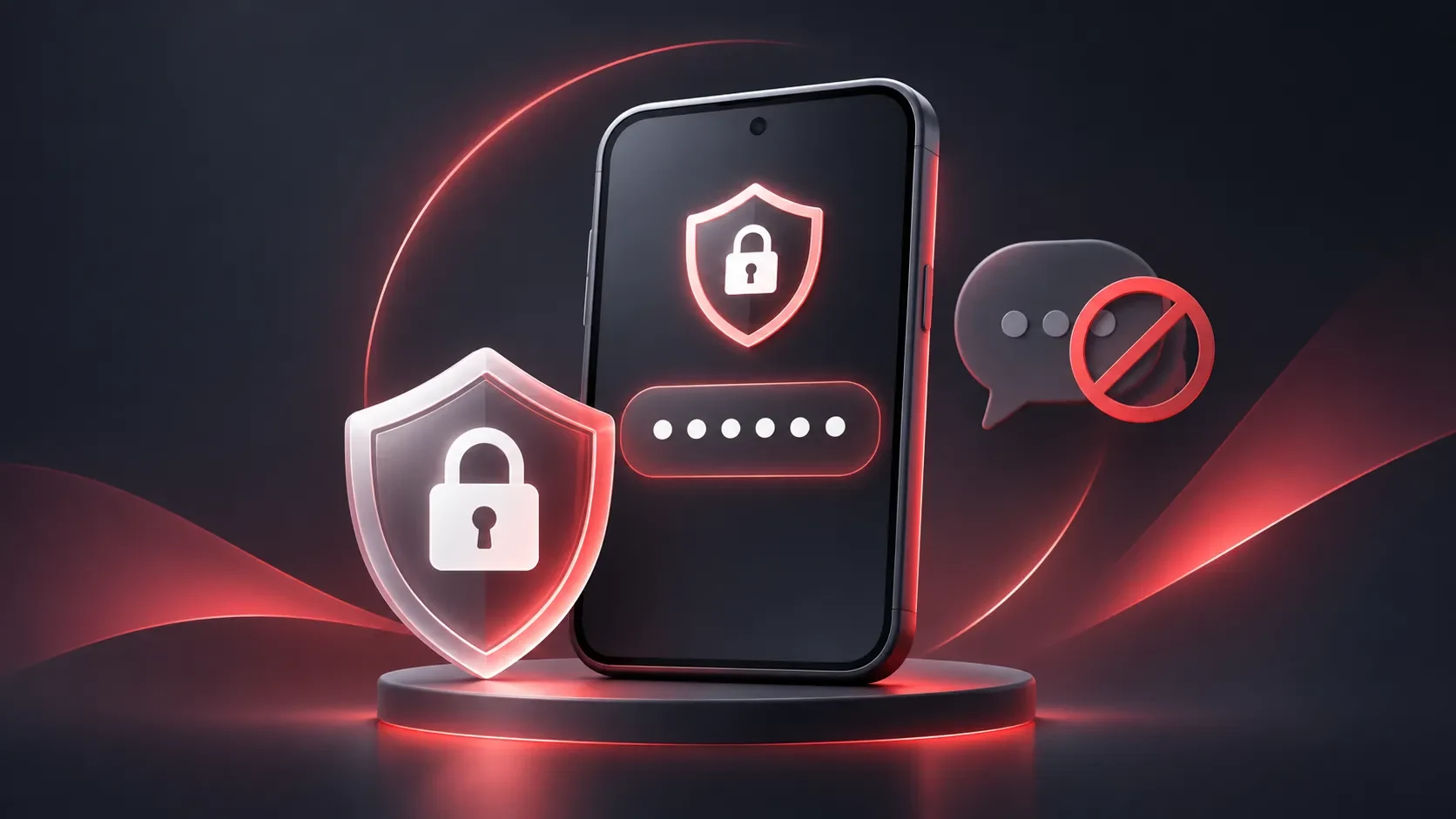
Àwòrán fóònù tí a dáàbò bò, pẹ̀lú àpótí kóòdù ìjẹ́rìísí lásán, àwọn apata ààbò àti àpò ọ̀rọ̀ ìfọ̀rọ̀wérọ̀ tí a dí, tó ń ṣojú fún lílo àwọn kóòdù ààbò ní ìkọ̀kọ̀.

Àwọn kóòdù ààbò ń ṣèrànwọ́ láti jẹ́rìí sí i pé ẹ̀yin fúnra yín ni ẹ ń parí ìgbésẹ̀ pàtàkì kan—bíi wíwọlé, yíyí ọ̀rọ̀ aṣínà padà tàbí ṣíṣètò ìfàṣẹsí onípele méjì (2FA). Nítorí pé àwọn kóòdù wọ̀nyí lè ṣèrànwọ́ láti dáàbò bo ìwọlé sí àkáǹtì Deriv yín, ó yẹ kí wọ́n máa jẹ́ àṣírí nígbà gbogbo. Ìtọ́sọ́nà yìí ṣàlàyé ohun tí àwọn kóòdù ààbò jẹ́, ìdí tí a fi nílò wọn àti bí ẹ ṣe lè lò wọ́n lọ́nà tó láàbò.

Àkópọ̀ kúkúrú

  • Àwọn kóòdù ààbò ń fi àyẹ̀wò àfikún kún un kí a tó lè parí àwọn ìgbésẹ̀ àkáǹtì tó ṣe pàtàkì.
  • Wọ́n lè jẹ́ ọ̀rọ̀ aṣínà ìgbà kan, kóòdù láti inú app authenticator, kóòdù àtúntò ọ̀rọ̀ aṣínà àti kóòdù ìmúpadàbọ̀sípò.
  • Ẹ fúnra yín ni kí ẹ tẹ kóòdù sínú ojú òpó ayélujára tàbí app Deriv gidi nìkan, ní ìgbésẹ̀ tí ẹ ń retí.
  • Ẹ má ṣe fi kóòdù ààbò ránṣẹ́, ẹ má ka á sókè, ẹ má ṣe fi ránṣẹ́ síwájú, ẹ má yà á ní àwòrán ojú ìbòjú, ẹ má sì gbé e jáde síta láéláé.
  • Tí ẹ bá fi kóòdù ránṣẹ́ láìmọ̀ọ́mọ̀, ẹ dáàbò bo àkáǹtì yín lẹsẹkẹsẹ nípasẹ̀ àwọn ọ̀nà Deriv gidi.

Kí ni àwọn kóòdù ààbò?

Kóòdù ààbò jẹ́ ẹ̀rí ìdánimọ̀ tí a ń lò láti jẹ́rìí sí i pé ẹ̀yin ni ẹ fọwọ́ sí ìwọlé tàbí ìgbésẹ̀ àkáǹtì kan. Yàtọ̀ sí ọ̀rọ̀ aṣínà, ọ̀pọ̀ kóòdù ààbò jẹ́ ti ìgbà díẹ̀: wọ́n lè parí lẹ́yìn àkókò kúkúrú tàbí kí wọ́n ṣiṣẹ́ lẹ́ẹ̀kan ṣoṣo.

Ẹ lè rí kóòdù ààbò nígbà tí ẹ bá:

  • Wọlé láti ẹ̀rọ tàbí browser tuntun
  • Mú 2FA ṣiṣẹ́ tàbí lò ó
  • Yí ọ̀rọ̀ aṣínà padà tàbí tún un tò
  • Fìdí ìgbésẹ̀ ààbò àkáǹtì tó ṣe pàtàkì múlẹ̀
  • Gba ìwọlé sí àkáǹtì padà

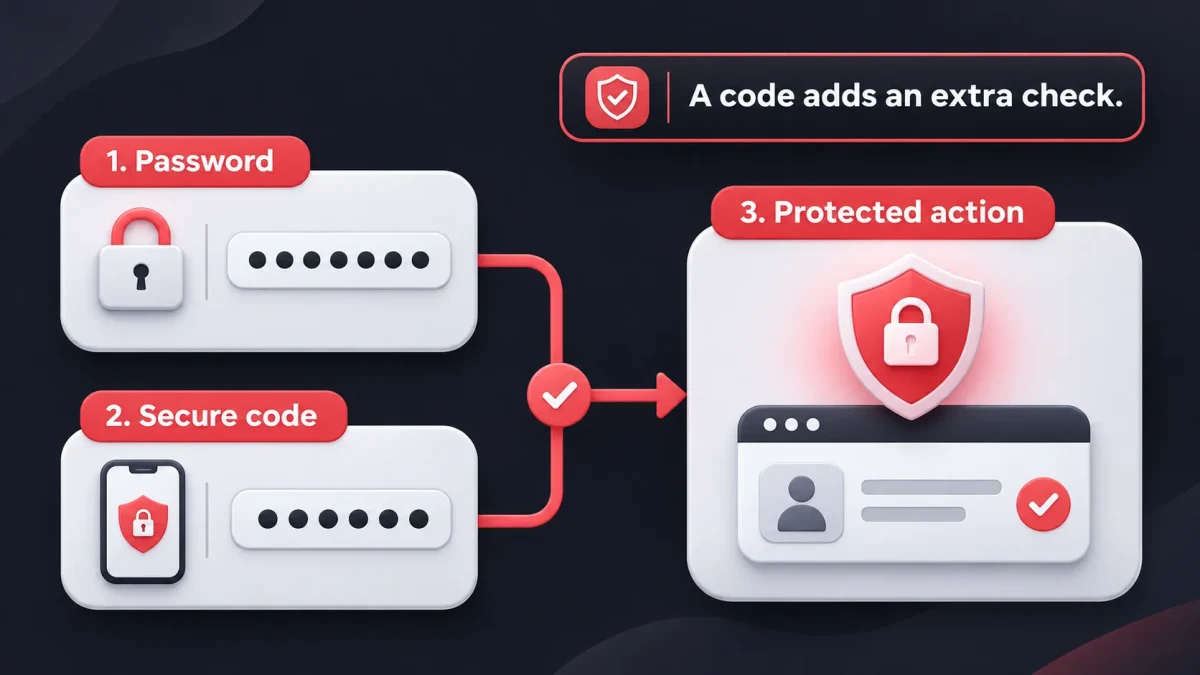
Àwọn kóòdù ààbò wúlò nítorí pé wọ́n ń fi ìpele ìjẹ́rìísí mìíràn kún un. Kódà bí ẹnìkan bá mọ ọ̀rọ̀ aṣínà, ó lè má ṣeé ṣe fún un láti parí ìgbésẹ̀ tí a dáàbò bò láìsí kóòdù àfikún náà.

Àwọn irú kóòdù ààbò tó wọ́pọ̀

Àwọn ọ̀rọ̀ aṣínà ìgbà kan (OTP) jẹ́ àwọn kóòdù ìgbà díẹ̀ tí a máa ń fi ránṣẹ́ sí àdírẹ́ẹ̀sì ímeèlì tàbí nọ́mbà fóònù tí a forúkọ sílẹ̀. Wọ́n ń ṣèrànwọ́ láti jẹ́rìí sí i pé ẹ lè wọ ọ̀nà ìbánisọ̀rọ̀ tí a so mọ́ àkáǹtì náà.

Àwọn kóòdù app authenticator jẹ́ àwọn kóòdù kúkúrú, tí àkókò wọn ní ààlà, tí app authenticator ń ṣẹ̀dá. A máa ń lò wọ́n fún 2FA, wọ́n sì ń yí padà déédéé.

Àwọn kóòdù àtúntò ọ̀rọ̀ aṣínà ń ṣèrànwọ́ láti jẹ́rìí sí i pé a fàṣẹ sí ìbéèrè láti tún ọ̀rọ̀ aṣínà tò. Wọ́n ṣe pàtàkì gan-an nítorí pé wọ́n lè jẹ́ apá kan ìlànà láti ṣẹ̀dá ọ̀rọ̀ aṣínà tuntun.

Àwọn kóòdù ìmúpadàbọ̀sípò tàbí kóòdù àfipamọ́ jẹ́ àwọn kóòdù pàjáwìrì tí a ṣẹ̀dá nígbà tí a ń ṣètò 2FA. Wọ́n lè ṣèrànwọ́ láti dá ìwọlé padà tí ẹ bá sọ ẹ̀rọ authenticator nù, nítorí náà ó gbọdọ̀ jẹ́ pé a tọ́jú wọn dáadáa, kí a sì máa ṣe sí wọn bí ọ̀rọ̀ aṣínà.
Secure codes help confirm that an important action—such as signing in, changing a password or setting up two-factor authentication (2FA)—is being completed by you. Because these codes can help protect access to your Deriv account, they should always remain private. This guide explains what secure codes are, why they are needed and how to handle them safely. Quick summary Secure codes add an extra check before sensitive account actions can be completed. They can include one-time passwords, authenticator-app codes, password-reset codes and recovery codes. Enter a code yourself only in the official Deriv website or app during an expected step. Never send, read aloud, forward, screenshot or post a secure code. If you accidentally share a code, secure your account promptly through official Deriv channels. What are secure codes? A secure code is a credential used to help confirm that a login or account action is authorised by you. Unlike a password, many secure codes are temporary: they may expire after a short period or work only once. You may encounter a secure code when you: Sign in from a new device or browser Turn on or use 2FA Change or reset a password Confirm a sensitive account-security action Recover access to an account Secure codes are useful because they add another layer of verification. Even if someone discovers a password, they may be unable to complete a protected action without the additional code. Common types of secure codes One-time passwords (OTPs) are temporary codes sent to a registered email address or phone number. They help verify that you can access the contact method linked to the account. Authenticator-app codes are short, time-limited codes generated in an authenticator app. They are commonly used for 2FA and change regularly. Password-reset codes help confirm that a request to reset a password is authorised. They are especially sensitive because they can be part of a process to create a new password. Recovery or backup codes are emergency codes created when setting up 2FA. They may help restore access if you lose an authenticator device, so they must be stored securely and treated like passwords.   Alt text: Diagram shows a password and a secure code as separate requirements before a protected account action can proceed. Why secure codes are needed Passwords can be guessed, reused or exposed through a data breach or phishing attempt. A secure code helps reduce the risk that a password alone can be used to access an account or make a sensitive change. For example, when you change a Deriv password from your profile, Deriv may send a one-time password to your registered email to help verify the request. You enter that OTP yourself as part of the official process, then set the new password.  This extra step is not a guarantee against every risk, but it creates an important barrier. It confirms that the person making the request has access to the required verification method at that moment. Codes are for you to enter, not to give away A secure code is not a piece of information to share with another person. It is an instruction for you to complete a specific security step yourself. Keep this distinction in mind: Safe action Unsafe action Entering a code yourself in the official Deriv website or app Sending a code in a chat, email or social-media message Using a code during a step you started Giving a code to someone who contacted you unexpectedly Storing recovery codes in a protected location Saving recovery codes in an unprotected note or screenshot Opening Deriv directly before entering a code Following an unverified link to enter a code   When it is safe to enter a code Enter a secure code only when all of these conditions apply: You started the action yourself. You are using the official Deriv website or app. You expected the verification step. The code is being entered into the relevant secure field—not sent to a person. For example, if you select Password in your Deriv profile and request a password change, an OTP sent to your registered email can be part of that expected process. The code should be entered only in the official password-change flow. If the action is unexpected, pause before entering anything. Open Deriv directly through your usual route and check your account settings instead of relying on a link in a message. Keep codes out of screenshots A screenshot can contain more information than it first appears to. It may show an OTP, account email, device notification, transaction reference, browser address or other personal details. Before sharing a screenshot for support purposes, review every visible element. Never include a password, secure code, QR code, recovery code or authenticator-app screen. When possible, crop or redact any personal, payment or account details that are not needed.  Alt text: Three cards show starting an account action, opening Deriv directly, and privately entering a secure code in the official platform. How to store recovery codes safely Recovery codes are different from ordinary one-time codes because they may remain valid until used or replaced. They are designed for emergencies, such as losing access to an authenticator app. Store them somewhere you can access when needed, but where other people cannot. A reputable password manager can be a suitable option when it is protected by a strong master password and 2FA. A protected offline copy may also be appropriate. Do not: Keep recovery codes in an email draft or unprotected cloud document Store them in a public or shared photo album Send them to yourself through chat Share them with a friend, family member or anyone claiming to help Include them in a support screenshot If you generate new recovery codes, securely remove any outdated copies so you do not rely on codes that no longer work. What to do if you shared a code A shared code may no longer be safe to use, even if it has not yet expired. Act promptly, but use only official routes. Open Deriv directly through the official website or app. Change your Deriv password to a new, unique password. Review your 2FA settings and recovery methods. Secure the email account linked to Deriv, particularly if it may receive password-reset instructions. Contact Deriv through official support if you think someone may have accessed your account.  Alt text: Three cards advise keeping codes private, storing recovery codes securely, and protecting an account promptly if a code is shared. Build a secure-code routine A few simple habits make secure-code requests easier to handle: Start account actions only from the official Deriv website or app. Use 2FA on your Deriv account and on the email account linked to it. Read verification messages carefully before acting. Keep recovery codes in a protected location before you need them. Never approve or enter a code for an action you did not start. Treat any request to share a code as a reason to stop and verify independently. Take the next step Review where you store your recovery codes and make sure 2FA is enabled on your Deriv account and the email linked to it. If you receive a code for an action you did not start, do not enter or share it—open Deriv directly and review your security settings.

‍Ìdí tí a fi nílò àwọn kóòdù ààbò

Ẹnìkan lè lérò ọ̀rọ̀ aṣínà, a lè tún un lò, tàbí kí ó tú síta nípasẹ̀ ìfọ́ dátà tàbí ìgbìyànjú phishing. Kóòdù ààbò ń ṣèrànwọ́ láti dín ewu pé ọ̀rọ̀ aṣínà nìkan lè tó láti wọ àkáǹtì tàbí láti ṣe àyípadà pàtàkì kan.

Fún àpẹẹrẹ, nígbà tí ẹ bá yí ọ̀rọ̀ aṣínà Deriv padà láti inú profaili yín, Deriv lè fi ọ̀rọ̀ aṣínà ìgbà kan ránṣẹ́ sí ímeèlì tí ẹ forúkọ sílẹ̀ láti ṣèrànwọ́ láti jẹ́rìí sí ìbéèrè náà. Ẹ fúnra yín ni ẹ máa tẹ OTP yẹn gẹ́gẹ́ bí apá kan ìlànà gidi náà, lẹ́yìn náà ẹ ó ṣètò ọ̀rọ̀ aṣínà tuntun.

Ìgbésẹ̀ àfikún yìí kì í ṣe ìdánilójú lòdì sí gbogbo ewu, ṣùgbọ́n ó ń dá ìdènà pàtàkì sílẹ̀. Ó ń fìdí rẹ̀ múlẹ̀ pé ẹni tí ó ń ṣe ìbéèrè náà ní àǹfààní sí ọ̀nà ìjẹ́rìí tí a nílò ní àkókò yẹn.

Kóòdù wà fún yín láti tẹ̀ sínú rẹ̀, kì í ṣe láti fún ẹlòmíràn

Kóòdù ààbò kì í ṣe ìsọfúnni tí a gbọdọ̀ pín fún ẹlòmíràn. Ó jẹ́ ìtọ́ni fún yín láti fúnra yín parí ìgbésẹ̀ ààbò kan pàtó.

Ẹ pa ìyàtọ̀ yìí mọ́ lọ́kàn:

Ìgbésẹ̀ tó láàbò Ìgbésẹ̀ tí kò láàbò
Títẹ kóòdù sínú rẹ̀ fúnra yín lórí ojú òpó ayélujára tàbí app Deriv gidi Fífi kóòdù ránṣẹ́ nínú chat, ímeèlì tàbí ìfiránṣẹ́ orí ìkànnì ìbánidọ́rẹ̀ẹ́
Lílo kóòdù nígbà ìgbésẹ̀ tí ẹ fúnra yín bẹ̀rẹ̀ Fífún ẹni tó kàn sí yín láìretí ní kóòdù
Fífi àwọn kóòdù ìmúpadàbọ̀sípò pamọ́ sí ibi tí a dáàbò bò Fífi àwọn kóòdù ìmúpadàbọ̀sípò pamọ́ sínú àkíyèsí tàbí àwòrán ojú ìbòjú tí kò ní ààbò
Ṣíṣí Deriv tààrà kí ẹ tó tẹ kóòdù Títẹ̀lé ọ̀nà asopọ̀ tí a kò fìdí rẹ̀ múlẹ̀ láti tẹ kóòdù

‍

Ìgbà tí ó láàbò láti tẹ kóòdù

Ẹ tẹ kóòdù ààbò nìkan nígbà tí gbogbo àwọn ipò wọ̀nyí bá wà:

  1. Ẹ fúnra yín ni ẹ bẹ̀rẹ̀ ìgbésẹ̀ náà.
  2. Ẹ ń lo ojú òpó ayélujára tàbí app Deriv gidi.
  3. Ẹ ń retí ìgbésẹ̀ ìjẹ́rìí náà.
  4. A ń tẹ kóòdù náà sínú pápá ààbò tó yẹ—a kò fi ránṣẹ́ sí ẹnìkan.

Fún àpẹẹrẹ, bí ẹ bá yan Password nínú profaili Deriv yín, tí ẹ sì béèrè fún àyípadà ọ̀rọ̀ aṣínà, OTP tí a fi ránṣẹ́ sí ímeèlì tí ẹ forúkọ sílẹ̀ lè jẹ́ apá kan ìlànà tí ẹ ń retí náà. Ẹ gbọdọ̀ tẹ kóòdù náà sínú ìlànà gidi fún yíyí ọ̀rọ̀ aṣínà padà nìkan.

Tí ìgbésẹ̀ náà bá jẹ́ èyí tí ẹ kò retí, ẹ dúró kí ẹ tó tẹ ohunkóhun. Ẹ ṣí Deriv tààrà nípasẹ̀ ọ̀nà tí ẹ máa ń gbà, kí ẹ sì ṣàyẹ̀wò àwọn ètò àkáǹtì yín dípò gbígbẹ́kẹ̀lé ọ̀nà asopọ̀ inú ìfiránṣẹ́.

Ẹ má fi kóòdù sínú àwọn àwòrán ojú ìbòjú

Àwòrán ojú ìbòjú lè ní ìsọfúnni tó pọ̀ ju bí ó ṣe dà bí ẹni pé ó ní lákọ̀ọ́kọ́. Ó lè fi OTP, ímeèlì àkáǹtì, ìfitónilétí ẹ̀rọ, nọ́mbà ìtọ́kasí ìṣòwò, àdírẹ́ẹ̀sì browser tàbí àwọn àlàyé ti ara ẹni mìíràn hàn.

Kí ẹ tó pín àwòrán ojú ìbòjú fún ìrànlọ́wọ́, ẹ ṣàyẹ̀wò gbogbo ohun tó hàn nínú rẹ̀. Ẹ má ṣe fi ọ̀rọ̀ aṣínà, kóòdù ààbò, QR code, kóòdù ìmúpadàbọ̀sípò tàbí ojú ìwé app authenticator sínú rẹ̀ láéláé. Tí ó bá ṣeé ṣe, ẹ gé tàbí ẹ fi bo àwọn àlàyé ti ara ẹni, ti ìsanwó tàbí ti àkáǹtì tí a kò nílò.
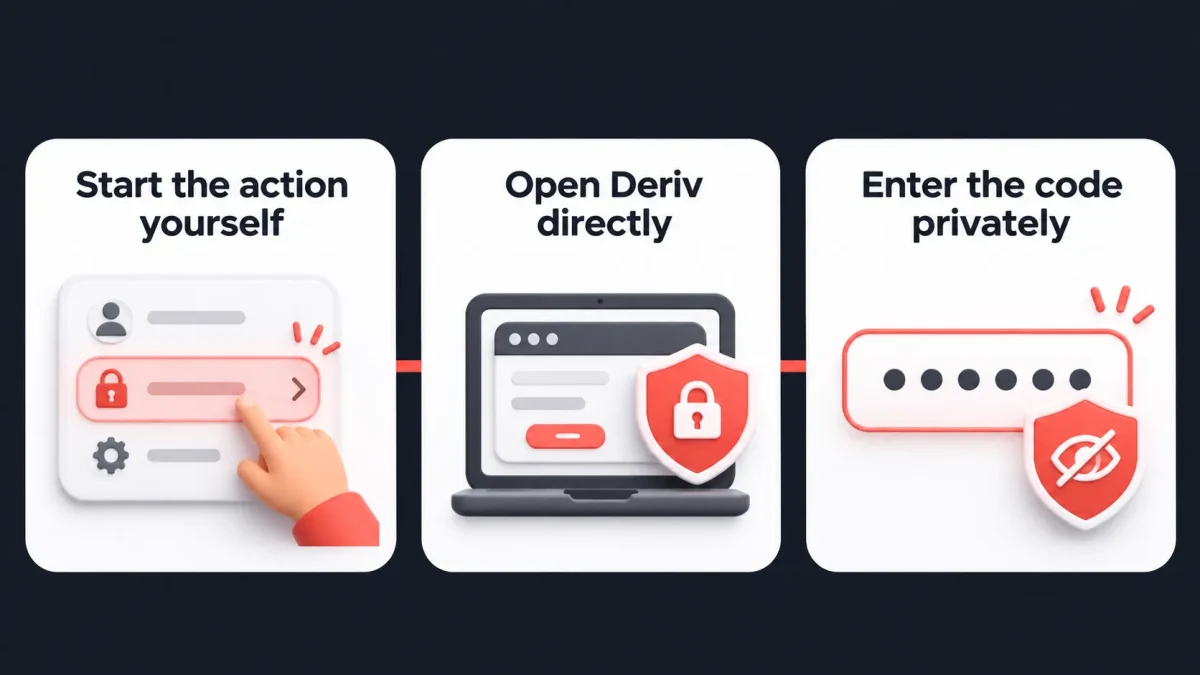
Three cards show starting an account action, opening Deriv directly, and privately entering a secure code in the official platform.

Bí a ṣe lè tọ́jú àwọn kóòdù ìmúpadàbọ̀sípò lọ́nà tó láàbò

Àwọn kóòdù ìmúpadàbọ̀sípò yàtọ̀ sí àwọn kóòdù ìgbà kan lásán nítorí wọ́n lè wà ní ìlò títí a ó fi lò wọ́n tàbí rọ́pò wọn. A ṣe wọ́n fún àwọn ipò pàjáwìrì, bíi pípàdánù ìwọlé sí app authenticator.

Ẹ tọ́jú wọn sí ibi tí ẹ ti lè dé ọ̀dọ̀ wọn nígbà tí ẹ bá nílò wọn, ṣùgbọ́n tí àwọn ẹlòmíràn kò lè dé. Password manager tó jẹ́ ojúlówó lè jẹ́ àṣàyàn tó yẹ nígbà tí ọ̀rọ̀ aṣínà alágbára àti 2FA bá dáàbò bò ó. Ẹ̀dà offline tí a dáàbò bò náà lè yẹ.

Ẹ má ṣe:

  • Fi àwọn kóòdù ìmúpadàbọ̀sípò sínú ìwé ímeèlì tí kò tíì fi ránṣẹ́ tàbí ìwé cloud tí kò ní ààbò
  • Tọ́jú wọn sínú àlùbọ́ọ̀mù fọ́tò gbangba tàbí èyí tí a jọ ń lò
  • Fi wọ́n ránṣẹ́ sí ara yín nípasẹ̀ chat
  • Pín wọn fún ọ̀rẹ́, ẹbí tàbí ẹnikẹ́ni tó ń sọ pé òun ń ràn yín lọ́wọ́
  • Fi wọ́n sínú àwòrán ojú ìbòjú fún ìrànlọ́wọ́

Tí ẹ bá ṣẹ̀dá àwọn kóòdù ìmúpadàbọ̀sípò tuntun, ẹ yọ àwọn ẹ̀dà àtijọ́ kúrò lọ́nà tó láàbò kí ẹ má bàa gbára lé àwọn kóòdù tí kò ṣiṣẹ́ mọ́.

Ohun tí ẹ ó ṣe tí ẹ bá ti pín kóòdù

Kóòdù tí a ti pín lè má láàbò láti lò mọ́, kódà bí kò tíì parí. Ẹ yára ṣe ìgbésẹ̀, ṣùgbọ́n ẹ lo àwọn ọ̀nà gidi nìkan.

  1. Ẹ ṣí Deriv tààrà nípasẹ̀ ojú òpó ayélujára tàbí app gidi.
  2. Ẹ yí ọ̀rọ̀ aṣínà Deriv yín padà sí ọ̀rọ̀ aṣínà tuntun tí kò jọ ti ẹlòmíràn.
  3. Ẹ ṣàyẹ̀wò àwọn ètò 2FA àti àwọn ọ̀nà ìmúpadàbọ̀sípò yín.
  4. Ẹ dáàbò bo àkáǹtì ímeèlì tí a so mọ́ Deriv, pàápàá jù lọ bí ó bá lè gba àwọn ìtọ́ni àtúntò ọ̀rọ̀ aṣínà.
  5. Ẹ kàn sí Deriv nípasẹ̀ ẹ̀ka ìrànlọ́wọ́ àfọwọ́sí bí ẹ bá rò pé ẹnìkan ti wọ àkáǹtì yín.
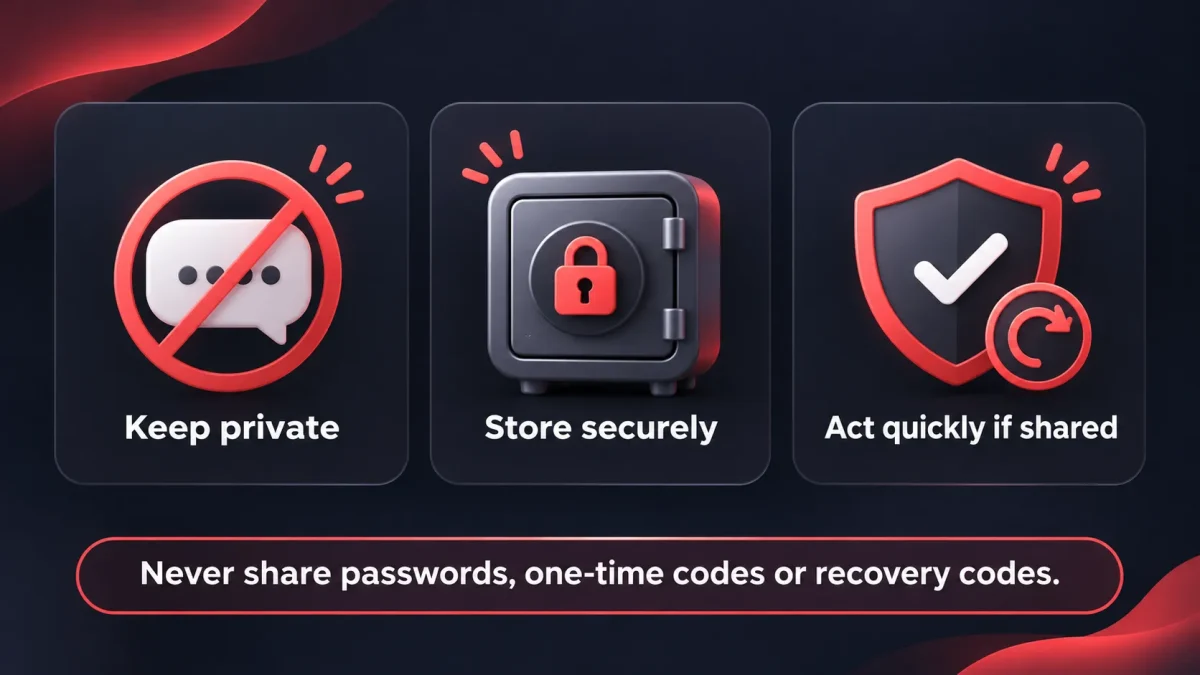
Three cards advise keeping codes private, storing recovery codes securely, and protecting an account promptly if a code is shared.

Ẹ ṣe àṣà lílo kóòdù ààbò

Àwọn àṣà díẹ̀ tó rọrùn ń mú kí ó rọrùn láti bójú tó àwọn ìbéèrè kóòdù ààbò:

  • Ẹ bẹ̀rẹ̀ àwọn iṣẹ́ àkáǹtì láti ojú òpó ayélujára Deriv àfọwọ́sí tàbí áàpù Deriv àfọwọ́sí nìkan.
  • Ẹ lo 2FA lórí àkáǹtì Deriv yín àti lórí àkáǹtì ímeèlì tí a so mọ́ ọ.
  • Ẹ ka àwọn ìfiránṣẹ́ ìjẹ́rìísí dáadáa kí ẹ tó gbé ìgbésẹ̀.
  • Ẹ fi àwọn kóòdù ìgbàpadà pamọ́ sí ibi tó láàbò kí ẹ tó nílò wọn.
  • Ẹ má ṣe fọwọ́ sí kóòdù tàbí kí ẹ tẹ̀ ẹ́ wọlé fún iṣẹ́ tí ẹ kò bẹ̀rẹ̀ láé.
  • Ẹ ka ìbéèrè kankan láti pín kóòdù sí ìdí láti dúró, kí ẹ sì ṣàyẹ̀wò fúnra yín.

Ẹ gbé ìgbésẹ̀ tó kàn

Ẹ ṣàyẹ̀wò ibi tí ẹ ti fi àwọn kóòdù ìgbàpadà yín pamọ́ sí, kí ẹ sì rí i dájú pé a ti mú 2FA ṣiṣẹ́ lórí àkáǹtì Deriv yín àti ímeèlì tí a so mọ́ ọ. Tí ẹ bá gba kóòdù fún iṣẹ́ tí ẹ kò bẹ̀rẹ̀, ẹ má ṣe tẹ̀ ẹ́ wọlé tàbí kí ẹ pín in—ẹ ṣí Deriv tààrà, kí ẹ sì ṣàyẹ̀wò àwọn ètò ààbò yín.

Quiz

Ìgbà wo ni ó yẹ kí ẹ tẹ̀ kóòdù ààbò wọlé?

Àwọn ìbéèrè tí wọ́n sábà máa ń béèrè

Analyse markets with AI-powered insights

Explore TradersView
WhatsApp