
Tại sao Nvidia là thước đo cho bong bóng AI
Nhiều người cho rằng Nvidia đã trở thành tín hiệu đáng tin cậy nhất của thị trường về việc liệu làn sóng trí tuệ nhân tạo có thực sự dựa trên thực tế hay đang trôi dần về phía thái quá. Là nhà cung cấp chip thống trị cho các mô hình ngôn ngữ lớn và trung tâm dữ liệu, doanh thu của Nvidia phản ánh chi tiêu thực tế cho AI thay vì chỉ là ý định đầu cơ. Khi niềm tin vào Nvidia lung lay, điều đó thường báo hiệu rằng các nhà đầu tư đang đặt câu hỏi về tính bền vững của thị trường AI rộng lớn hơn.
Sự giám sát này đang gia tăng. Sau ba năm đầu tư không ngừng vào AI kể từ khi ChatGPT ra mắt, lĩnh vực này hiện đang đối mặt với kỳ vọng tăng trưởng chậm lại, chi phí vốn tăng vọt và những câu hỏi khó hơn về khả năng kiếm tiền.
Với chỉ số Nasdaq 100 đang giao dịch ở mức gần 26 lần lợi nhuận dự phóng, thấp hơn nhiều so với thời kỳ bong bóng dot-com nhưng vẫn cao hơn mức trung bình dài hạn, Nvidia đang ở trung tâm của một cuộc tranh luận có thể định hình thị trường cho đến tận năm 2026 dựa trên các báo cáo gần đây.
Điều gì thúc đẩy vai trò của Nvidia trong chu kỳ AI?
Nvidia quan trọng vì họ bán cơ sở hạ tầng giúp AI hoạt động. Việc huấn luyện và vận hành các mô hình tiên tiến vẫn phụ thuộc nhiều vào GPU của họ, khiến công ty trở thành bên hưởng lợi trực tiếp từ việc mở rộng trung tâm dữ liệu trên khắp Mỹ, châu Âu và châu Á. Khác với các công ty phần mềm chỉ trình bày các trường hợp sử dụng trong tương lai, dòng đơn đặt hàng của Nvidia cho thấy nhu cầu AI có thực sự chuyển thành đầu tư vật chất hay không.
Theo các nhà phân tích, vị trí này cũng khiến cổ phiếu Nvidia rất nhạy cảm với bất kỳ sự chậm lại nào trong chi tiêu. Khi các hyperscaler như Microsoft, Alphabet và Amazon phát tín hiệu thận trọng về chi tiêu vốn, hoặc khi các dự án bị trì hoãn do hạn chế về điện năng hoặc áp lực tài chính, Nvidia thường là cái tên lớn đầu tiên phản ứng. Giá cổ phiếu của họ ngày càng thể hiện như một cuộc trưng cầu ý kiến theo thời gian thực về việc liệu làn sóng xây dựng AI đang tăng tốc hay chững lại.
Những lo ngại cũng xuất hiện về cách thức tài trợ cho nhu cầu đó. Nvidia đã cam kết các khoản tiền lớn để hỗ trợ khách hàng và đối tác như một phần của các khoản đầu tư vào hệ sinh thái rộng lớn hơn, làm dấy lên tranh luận về việc liệu một số phần của chuỗi cung ứng AI có đang dựa vào tài trợ vòng tròn hay không. Dù không nhất thiết là tiêu cực, điều này làm tăng thêm sự phức tạp vào thời điểm các nhà đầu tư muốn có sự rõ ràng về nhu cầu thực thay vì các kỹ thuật tài chính.
Tại sao điều này quan trọng
Các nhà quan sát thị trường lưu ý rằng ảnh hưởng của Nvidia vượt xa bảng cân đối kế toán của chính họ. Cổ phiếu này đã trở thành đại diện cho sức khỏe của toàn bộ hệ sinh thái AI, bao gồm các nhà cung cấp đám mây, nhà sản xuất chip, công ty tiện ích và nhà xây dựng trung tâm dữ liệu. Khi Nvidia tăng giá, nó củng cố niềm tin rằng đầu tư vào AI là hiệu quả. Khi Nvidia suy yếu, nó làm dấy lên nghi ngờ về việc liệu vốn có đang được triển khai nhanh hơn mức lợi nhuận có thể biện minh hay không.
Động lực này quan trọng vì mức độ tiếp xúc với AI đã trở nên đông đúc. Dữ liệu cho thấy phần lớn mức tăng của S&P 500 trong ba năm qua được thúc đẩy bởi một nhóm nhỏ các công ty công nghệ hàng đầu và các nhà cung cấp của họ. Như một nhà quản lý danh mục đầu tư gần đây đã nói, các cổ phiếu như Nvidia không gặp khó khăn khi tăng trưởng chỉ chậm lại một chút - chúng gặp khó khăn khi tăng trưởng ngừng tăng tốc. Trong môi trường đó, ngay cả những thất vọng nhỏ cũng có thể kích hoạt sự điều chỉnh mạnh mẽ.
Tác động đến thị trường hạ tầng AI
Những biến động gần đây của các cổ phiếu liên quan đến AI nhấn mạnh sự nhạy cảm này. Cổ phiếu của Oracle đã giảm mạnh sau khi công ty báo cáo chi tiêu vốn cao hơn dự kiến và tăng trưởng đám mây yếu hơn, làm nổi bật sự căng thẳng giữa đầu tư trung tâm dữ liệu mạnh mẽ và lợi nhuận ngắn hạn.
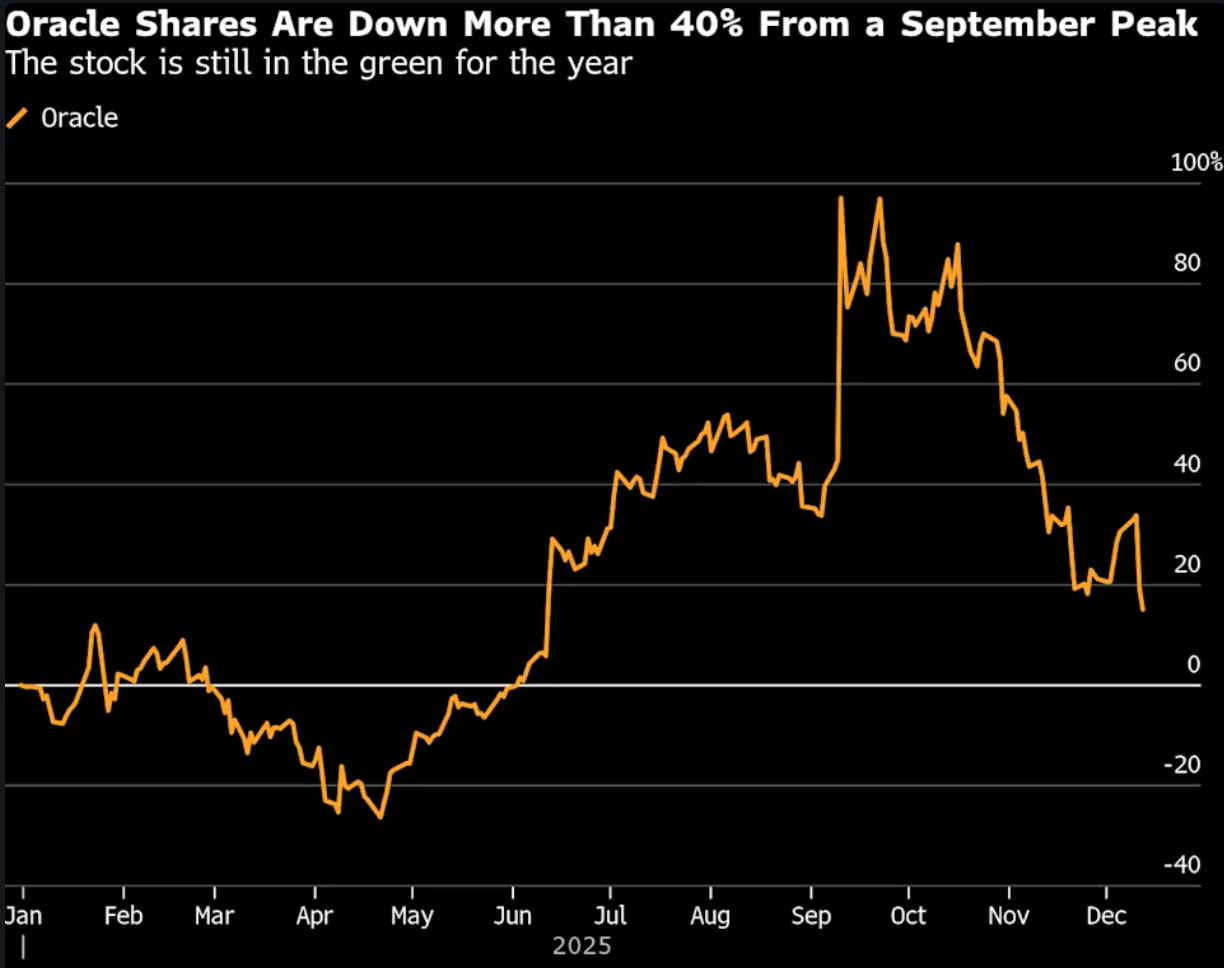
Mặc dù Oracle khẳng định kế hoạch mở rộng của mình vẫn nguyên vẹn, phản ứng của thị trường đã lan rộng khắp chuỗi cung ứng AI, bao gồm cả Nvidia.
Các nhà phân tích cho rằng sự kiện này củng cố một rủi ro then chốt mà ngành phải đối mặt: hạ tầng AI đang va chạm với các rào cản thực tế. Xây dựng trung tâm dữ liệu đòi hỏi lượng vốn, điện năng, lao động lành nghề và thời gian rất lớn. Sự chậm trễ hoặc đội chi phí có thể không làm chệch hướng luận điểm AI dài hạn, nhưng chúng làm giảm biên lợi nhuận và kéo dài thời gian hoàn vốn - chính là những điều mà nhà đầu tư lo ngại ở giai đoạn này của chu kỳ.
Địa chính trị cũng làm tăng thêm một lớp bất ổn. Nvidia vẫn chịu ảnh hưởng từ các biện pháp kiểm soát xuất khẩu và chính sách thay đổi của Trung Quốc, điều này có thể ảnh hưởng đến khả năng dự báo doanh thu ngay cả khi nhu cầu AI toàn cầu tăng lên. Rủi ro này không làm giảm tầm quan trọng của công nghệ, nhưng nó giới hạn mức độ lạc quan mà thị trường sẵn sàng định giá.
Nhận định chuyên gia
Hầu hết các nhà phân tích không kỳ vọng sẽ có một sự sụp đổ đột ngột giống như bong bóng dot-com. Các công ty dẫn đầu AI ngày nay lớn hơn, lợi nhuận cao hơn và có nguồn vốn tốt hơn nhiều so với các đối thủ cuối những năm 1990. Thay vào đó, kịch bản hợp lý hơn là sự luân chuyển trong giao dịch AI, nơi các nhà đầu tư ưu tiên các công ty có dòng tiền rõ ràng và quy mô, đồng thời đánh giá lại các tên tuổi được định giá cao dựa vào việc thực thi hoàn hảo.
Đối với Nvidia, giai đoạn tiếp theo phụ thuộc vào khả năng thực thi hơn là sự cường điệu. Thị trường sẽ theo dõi xem các hyperscaler có duy trì chi tiêu vốn khi chi phí khấu hao tăng lên hay không, liệu nhu cầu có mở rộng ra ngoài một số ít người mua thống trị hay không, và liệu tăng trưởng doanh thu AI có thể hấp thụ quy mô đầu tư hạ tầng hiện tại hay không. Nếu Nvidia tiếp tục đáp ứng được các bài kiểm tra đó, họ có thể xoa dịu lo ngại về bong bóng. Nếu không, giá cổ phiếu của họ có thể phản ánh một thị trường đang điều chỉnh lại kỳ vọng thay vì từ bỏ AI hoàn toàn.
Điểm mấu chốt
Nvidia đã trở thành thước đo rõ ràng nhất của thị trường về việc liệu làn sóng AI có bền vững hay đã bị kéo căng quá mức. Vị trí trung tâm trong hạ tầng AI của họ có nghĩa là họ phản ánh các quyết định đầu tư thực tế, không chỉ là sự lạc quan. Dù lo ngại về một bong bóng thực sự có thể còn sớm, nhưng thời kỳ hưng phấn không cần nghi vấn đang dần qua đi. Theo các chuyên gia, những tín hiệu tiếp theo sẽ đến từ kỷ luật chi tiêu, khả năng thực thi và việc AI có thể chuyển quy mô thành lợi nhuận bền vững hay không.
Nhận định kỹ thuật về Nvidia
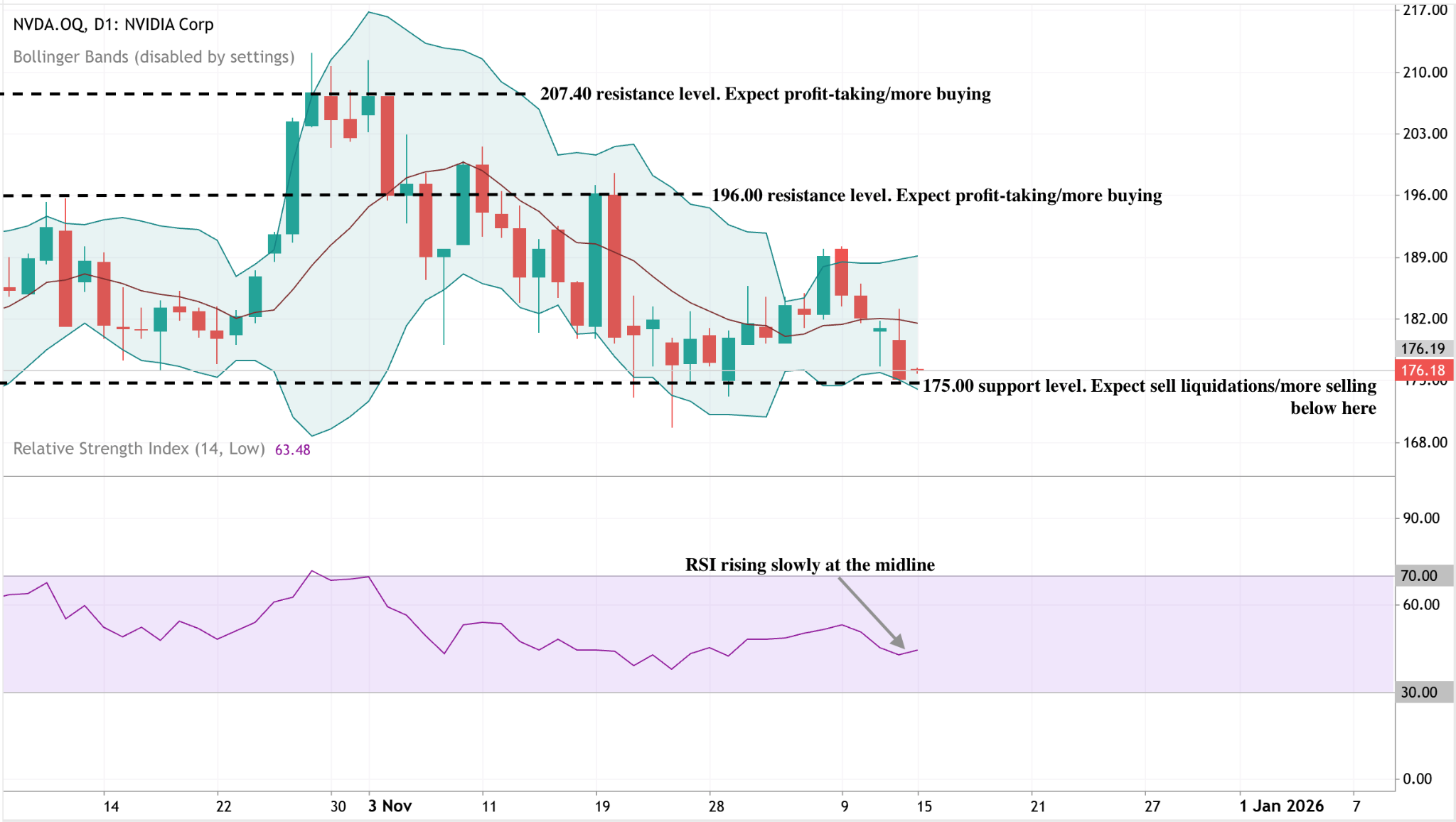
Tại thời điểm bắt đầu bài viết, NVIDIA (NVDA) đang giao dịch gần mức $176, dao động ngay trên mức hỗ trợ quan trọng $175.00. Vùng này là then chốt cho xu hướng ngắn hạn - nếu phá vỡ bền vững xuống dưới, có thể kích hoạt các lệnh bán tháo và mở ra rủi ro giảm giá, trong khi giữ vững trên mức này sẽ mở ra khả năng bước vào giai đoạn ổn định.
Ở chiều tăng, NVDA đối mặt với các ngưỡng kháng cự chồng lớp tại $196.00 và $207.40, đều là những vùng mà các nhà giao dịch thường kỳ vọng chốt lời hoặc mua vào trở lại nếu động lực cải thiện. Diễn biến giá phản ánh sự tích lũy tiếp diễn sau đợt điều chỉnh mạnh từ các đỉnh gần đây. Các nến giá vẫn bị nén lại, cho thấy sự do dự khi thị trường cân nhắc liệu đợt điều chỉnh rộng hơn đã kết thúc hay còn tiếp diễn.
Chỉ báo RSI hiện quanh mức 63, đang tăng chậm gần đường trung bình, cho thấy sự phục hồi động lượng vừa phải thay vì đảo chiều tăng mạnh. Điều này cho thấy thị trường vẫn đang tìm kiếm sự xác nhận, với khả năng NVDA sẽ tiếp tục dao động trong biên độ trừ khi bên mua có thể lấy lại vùng kháng cự $196 một cách thuyết phục.
Các số liệu hiệu suất được trích dẫn không đảm bảo cho hiệu suất trong tương lai.


