
US-Indizes steigen, während Tech-Gewinne im Mittelpunkt stehen

US-Aktienindizes starteten mit neuem Schwung in den Monat, da die Wall Street die Volatilität bei Rohstoffen, Krypto und Aktien aus dem Bereich künstliche Intelligenz abschüttelte. Berichten zufolge stieg der Dow Jones Industrial Average am Montag um mehr als 500 Punkte, während der S&P 500 um etwa 0,5 % zulegte und damit knapp unter einem neuen Schlussrekord endete. Auch der Nasdaq Composite legte zu und signalisierte Widerstandsfähigkeit trotz erneutem Druck auf die Schwergewichte im Technologiesektor.
Da in dieser Woche mehr als 100 S&P 500-Unternehmen ihre Ergebnisse vorlegen, verlagert sich der Fokus der Märkte von makroökonomischen Schlagzeilen auf die Unternehmensdaten. Während Anleger nach Bestätigung suchen, dass die Wachstumserwartungen intakt bleiben, sehen viele die Richtung der Indizes nun davon abhängig, ob die Gewinne die Rallye rechtfertigen und weiteres Aufwärtspotenzial unterstützen können.
Was treibt die US-Indizes an?
Die Stärke der US-Indizes zu Monatsbeginn spiegelt eine Kombination aus verbesserten wirtschaftlichen Signalen und breit angelegtem Gewinnoptimismus wider. Am Montag veröffentlichte Konjunkturdaten zeigten, dass die Produktion zum ersten Mal seit fast einem Jahr wieder zunimmt, wobei sowohl das Institute for Supply Management als auch S&P Global für Januar besser als erwartete Produktionszahlen meldeten.
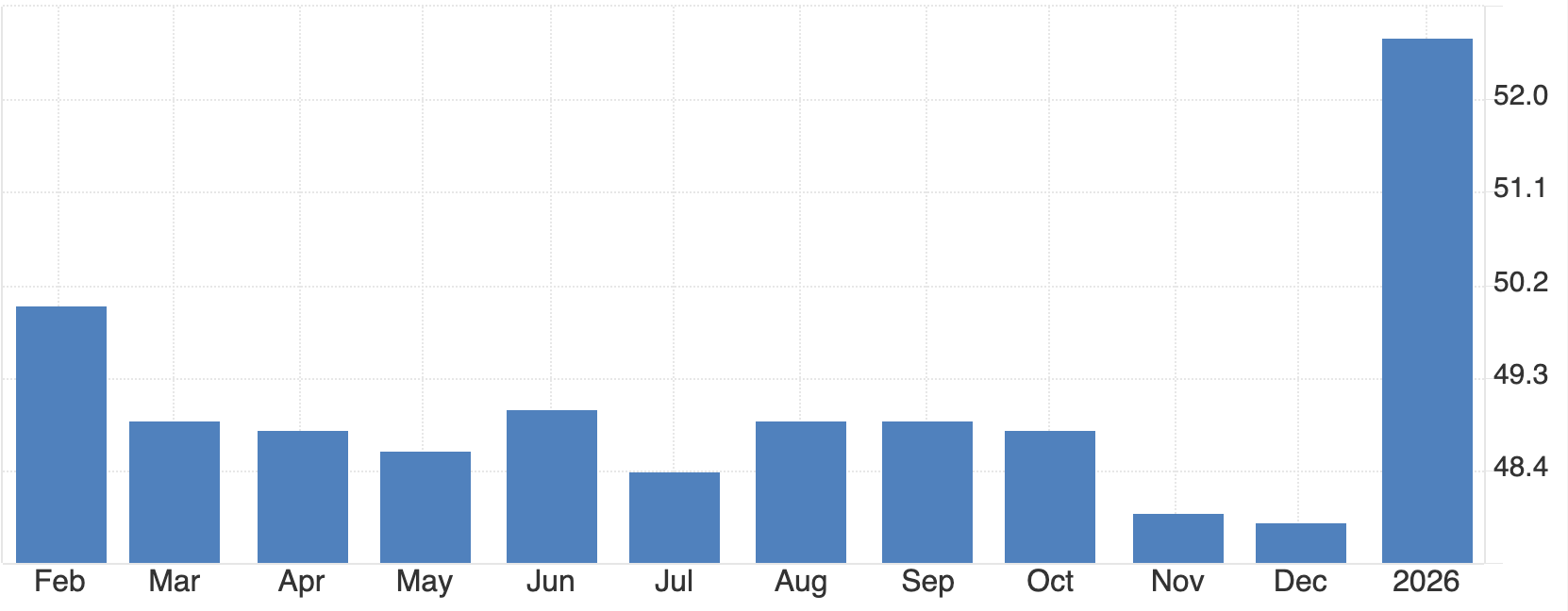
Diese Zahlen halfen, die Unsicherheit bezüglich der Geldpolitik nach der Nominierung von Präsident Donald Trump von Kevin Warsh als nächsten Federal Reserve Chair auszugleichen.
Auch die Gewinnentwicklung hat sich zugunsten der Indexstabilität verschoben. Die Zugewinne beschränkten sich nicht auf Mega-Cap-Technologie, sondern erstreckten sich auf Industrie-, Konsumgüter- und Halbleiterwerte. Sandisk stieg um 15 % und führte damit den S&P 500 an, während Caterpillar und Walmart den Dow nach oben trieben. Die breitere Sektorbeteiligung fiel in eine Phase, in der die Indizes weniger von der Volatilität einzelner Technologiewerte betroffen schienen.
Warum das wichtig ist
Für Anleger ist die Fähigkeit der Indizes, trotz gemischter Tech-Performance zu steigen, ein bemerkenswertes Signal. Nvidia-Aktien fielen um fast 3 %, nachdem Berichte darauf hindeuteten, dass OpenAI eine geplante Investition von 100 Mrd. US-Dollar überdenkt und Unzufriedenheit mit der bestehenden Chip-Infrastruktur äußerte. Dennoch setzte der Nasdaq seinen Anstieg fort, was darauf hindeutet, dass die Unsicherheit im Zusammenhang mit KI zunehmend unternehmensspezifisch und weniger systemisch ist.
Laut Analysten von Morgan Stanley bewegen sich die Märkte nun „von erzählungsgetriebener Begeisterung hin zur Gewinnvalidierung“. Dieser Übergang ist für die Indexperspektiven entscheidend. Wenn Benchmarks trotz negativer Schlagzeilen stabil bleiben, spiegelt das oft Vertrauen in das aggregierte Gewinnwachstum und nicht spekulative Positionierung wider.
Auswirkungen auf Märkte und Anleger
Die Divergenz zwischen Aktien und anderen Anlageklassen ist immer ausgeprägter geworden. Während US-Indizes zulegten, setzten Edelmetalle ihre starke Korrektur fort. Gold wurde nach einem Anstieg über 5.600 US-Dollar in der Vorwoche unter 4.700 US-Dollar je Unze gehandelt, während Silber nach einem Rekordtagesverlust volatil blieb. Auch Bitcoin stabilisierte sich nahe 78.000 US-Dollar, nachdem er kurzzeitig auf den niedrigsten Stand seit April gefallen war.
Für indexorientierte Anleger unterstreicht diese Divergenz die Attraktivität von Aktien, da Kapital aus überlaufenen Trades abgezogen wird. Trotz eines festeren US-Dollars und steigender 10-jähriger Treasury yields in Richtung 4,3 % blieben die Aktienbewertungen gestützt.
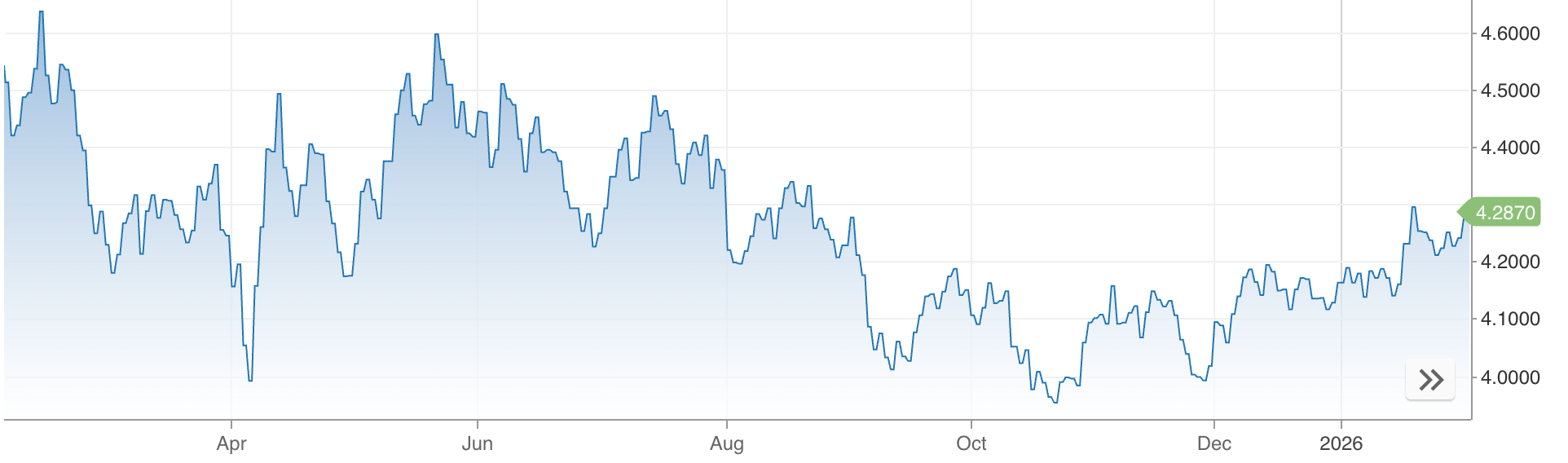
Diese Widerstandsfähigkeit deutet darauf hin, dass die Märkte die Gewinntransparenz über kurzfristige Zins- oder Währungsbelastungen stellen.
Expertenausblick
Die Aufmerksamkeit richtet sich nun ganz auf die Ergebnisse der Big Tech. Die Resultate von Amazon, Alphabet und Advanced Micro Devices werden voraussichtlich den Ton angeben, ob die Indexgewinne über den frühen Monatsanstieg hinaus anhalten können. Die besser als erwartete Prognose von Palantir hat die Stimmung bereits gestärkt, während Microsofts verhaltenere Aufnahme in der vergangenen Woche die Messlatte für die Konkurrenz höher gelegt hat.
Risiken bleiben bestehen. Die Verzögerung des US-Arbeitsmarktberichts am Freitag aufgrund eines teilweisen Regierungsstillstands entfernt einen wichtigen Faktor für die Zinserwartungen. Das Fehlen von Arbeitsmarktdaten könnte zu erhöhter Volatilität beitragen, da die Indizes auf einzelne Gewinnüberraschungen ohne klaren makroökonomischen Hintergrund reagieren. Der weitere Weg ist weniger von Momentum als von Bestätigung geprägt.
Fazit
Die ersten Handelssitzungen des Monats zeigten Gewinne; die Marktrichtung bleibt jedoch empfindlich gegenüber bevorstehenden Wirtschaftsdaten und Gewinnüberraschungen. Entscheidend ist, dass die Gewinne nicht mehr von einer einzelnen Tech-Erzählung abhängen, was die Treiber der jüngsten Indexbewegungen potenziell diversifiziert. Die Volatilität bei Rohstoffen und Krypto spiegelt eine Rotation und keine Risikoaversion wider. Mit den anstehenden Big Tech-Ergebnissen und Arbeitsmarktdaten werden die kommenden Sitzungen zeigen, ob die Indizes ihre Stabilität in einen nachhaltigen Aufwärtstrend umwandeln können.
Die angegebenen Wertentwicklungen sind keine Garantie für zukünftige Ergebnisse.


