ملخص سريع
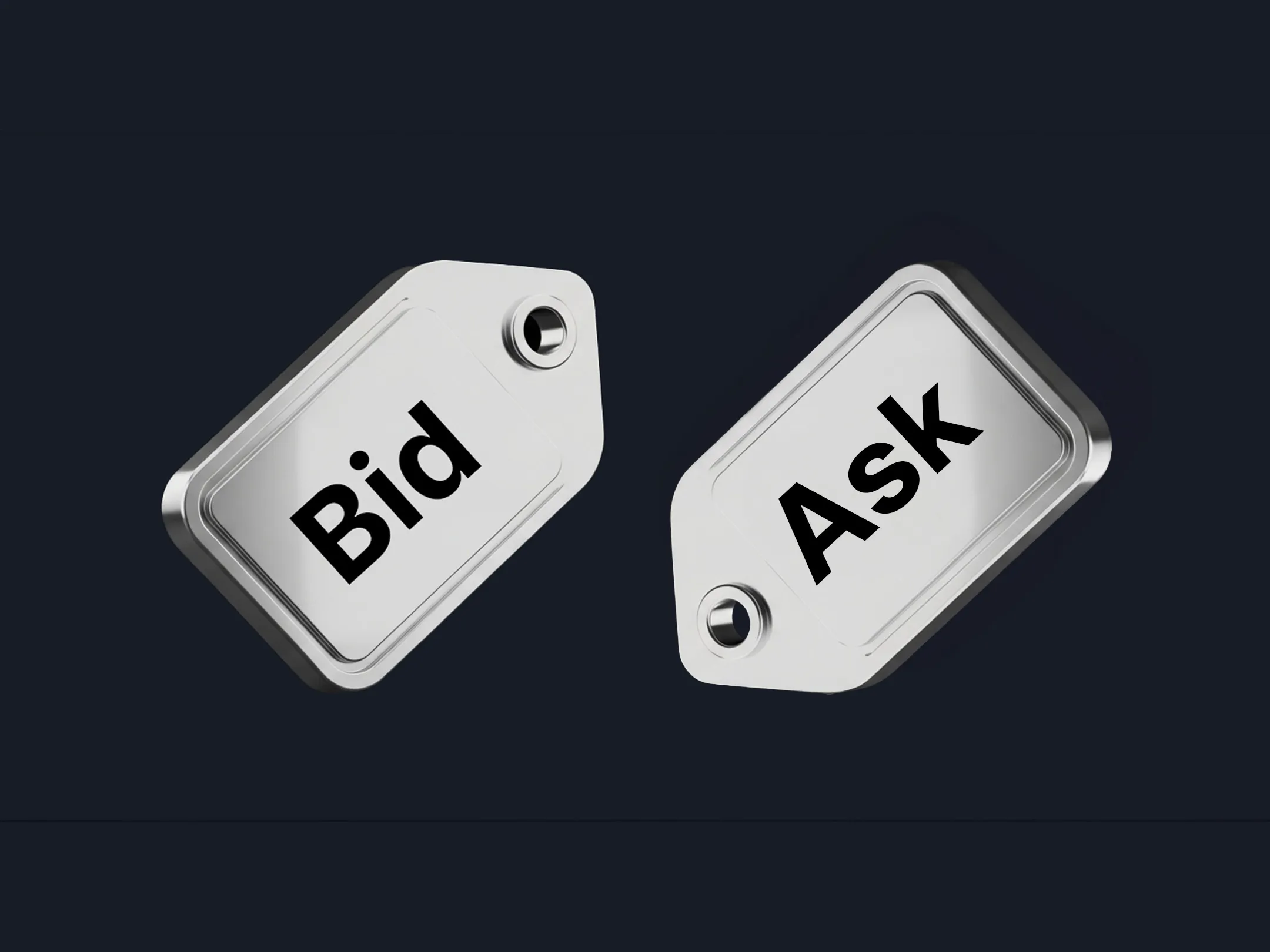
- الفارق (السبريد) هو الفرق بين سعر الشراء وسعر البيع في سوق الفوركس لزوج عملات ما زوج العملات.
- أنت "تدفع" الفرق بمجرد فتحك للصفقة، لذلك يجب أن يتحرك السوق لصالحك متجاوزًا ذلك الفارق لتحقيق الربح.
- هناك نوعان: ثابت (قابل للتوقع) ومتغير (مدفوع بالسوق).
- كلما كان الفرق أضيق، كانت فرصك في تحقيق ربح سريع أفضل.
- هل تريد تقليل تكاليف الفرق؟ تداول في أوقات الذروة، التزم بالأزواج الشائعة، وراقب ظروف السوق.
ما معنى الفرق؟
لنبدأ بسؤال بسيط: هل اشتريت شيئًا ولاحظت أن سعر "الشراء" كان أعلى من سعر "البيع"؟ ربما في كشك صرف العملات بالمطار؟
ذلك الفرق الصغير بين ما يمكنك شراء عملة به وما يمكنك بيعها به؟ هذا ما يسمى الفرق.
في الفوركس، يعمل بنفس الطريقة تمامًا. كل مرة تتداول فيها زوج عملات، يكون هناك فجوة صغيرة بين سعر الشراء (الطلب) وسعر البيع (العرض)، وهذه الفجوة هي كيف يحقق الوسطاء أرباحهم. ليست خدعة خفية. إنها فقط طريقة عمل النظام.
شرح العرض، الطلب، والفرق
دعونا نشرح ذلك بدون مصطلحات معقدة.
- العرض هو السعر الذي يرغب شخص ما في شراء العملة به (هذا ما تحصل عليه إذا كنت تبيع).
- الطلب هو السعر الذي يرغب شخص ما في البيع به (السعر الذي تدفعه إذا كنت تشتري).
- الفرق هو الفارق بين الاثنين.
إليك مثال سريع:
إذا كان زوج EUR/USD يظهر:
- العرض: 1.1000
- الطلب: 1.1002
فإن الفرق هو 2 نقطة (pip).
تخيل أنك تشتري تفاحًا في سوق. البائع يعرض عليك بيع تفاحة بسعر 1.10 جنيه إسترليني (سعر الطلب)، لكنه سيشتريها منك فقط بسعر 1.08 جنيه إسترليني (سعر العرض). ذلك الفرق 2p؟ هذا هو الفرق الخاص بك.
أهمية الفروق في التداول
قد تبدو الفروق صغيرة - غالبًا نقطة أو اثنتين فقط - لكنها يمكن أن تؤثر بشكل كبير على صافي أرباحك.
والسبب هو: بمجرد فتحك للصفقة، أنت بالفعل في خسارة بمقدار الفارق. يجب أن يتحرك السعر متجاوزًا الفرق لصالحك قبل أن تصل إلى التعادل، ناهيك عن تحقيق الربح.
لذا، فإن فهم الفروق ليس فقط لأصحاب الخبرة في المالية - إنه جزء من كونك متداولًا أكثر ذكاءً.
أنواع الفروق: ثابتة مقابل متغيرة
هناك نوعان رئيسيان من الفروق ستواجههما على منصة Deriv.
الفروق الثابتة
تظل هذه الفروق نفسها بغض النظر عما يحدث في السوق. ممتازة إذا كنت تفضل التنبؤ بسهولة. تعرف دائمًا ما ستدفعه.
الفروق المتغيرة (العائمة)
تتغير هذه حسب ظروف السوق. خلال أوقات النشاط، قد تضيق الفروق. لكن خلال الفترات الهادئة أو المتقلبة؟ قد تتسع.
توضيح: الفروق الثابتة مثل الحصول على أجرة سيارة أجرة محددة بغض النظر عن حالة المرور. الفروق المتغيرة مثل استخدام العداد - أرخص عند صفاء الطرق، وأغلى في حالات الازدحام.
كيفية حساب الفرق؟
لنفترض أنك تتداول سلعة قياسية (100,000 وحدة) من EUR/USD. الفرق 2 نقطة (pip). كل نقطة (pip) تساوي 10 دولارات للسلعة القياسية.
إذًا، تكلفة الفرق لديك هي:
2 نقاط × 10 دولارات = 20 دولارًا
هذا هو 20 دولارًا تدفعها بمجرد فتح الصفقة - أشبه برسم دخول. إذا كنت تتداول سلعة صغيرة (10,000 وحدة)، كل نقطة تساوي 1 دولار، لذا ستكون التكلفة فقط 2 دولار.
تُدمج هذه التكلفة في تداولك، لذلك لن ترى رسومًا منفصلة - لكنها موجودة، تقتطع من أرباحك إذا لم تكن منتبهًا.
كيف يؤثر الفرق على أرباحك؟
لنفترض أنك دخلت صفقة وتحرك الزوج بمقدار 10 نقاط (pip) لصالحك بالضبط.
إذا كان الفرق 3 نقاط، فإن صافي ربحك هو فقط 7 نقاط.
إذا كان الفرق نقطة واحدة فقط، فإن صافي ربحك هو 9 نقاط.
نفس حركة السوق، ونتيجة مختلفة. إنه أشبه بالجري مع بداية متقدمة... أو تأخير بسيط. في كلتا الحالتين، يتغير مكان وصولك.
كلما كان الفرق أصغر، قل المسافة التي تحتاج إلى اجتيازها لتصل إلى نقطة التعادل - وكلما تمكنت من بدء تراكم الأرباح بشكل أسرع.
كيفية تقليل تكلفة استراتيجيات التداول على الفروقات
بينما لا يمكنك تجنب الفروق بالكامل، يمكنك أن تكون ذكيًا بشأنها.
إليك الطريقة:
- تداول الأزواج الرئيسية – EUR/USD، GBP/USD، وUSD/JPY غالبًا ما تكون لديها أضيق فروق.
- تجنب الأوقات غير النشطة – عادة ما تتسع الفروق عندما يكون السوق هادئًا (مثل ساعات التدوير أو العطلات البنكية).
- راقب التقلبات – يمكن أن تؤدي الأخبار إلى ارتفاع الفروق. كن حذرًا حول الإعلانات المهمة.
- استخدم نوع الحساب المناسب – Deriv تقدم أنواع حسابات مختلفة. بعض الحسابات تقدم فروقًا أضيق مقابل عمولة صغيرة.
وضع استراتيجية ذكية مع توقيتك واختيارك للأزواج يمكن أن يوفر لك المال على المدى الطويل.
هل أنت مستعد لتطبيق ذلك؟
افتح حسابك التجريبي على Deriv الخاص بالتجربة واطلع على الفرق على زوج العملات الذي تفضله. حاول وضع صفقة ومراقبة كيف يحتاج السعر للتحرك قبل أن ترى الربح. كلما راقبت أكثر، كلما أصبح الأمر أكثر وضوحًا لديك بشكل طبيعي.
اختبار
ما هو السبريد في تداول الفوركس؟
الأسئلة الشائعة


.webp)